



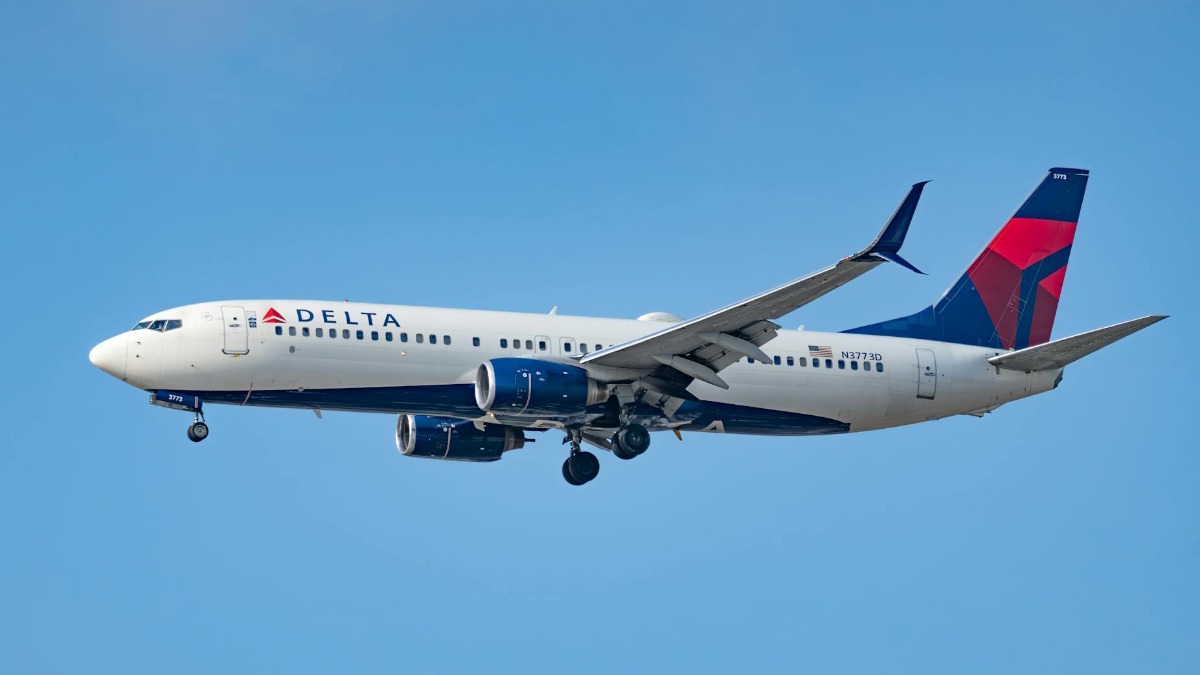

Delta Airlines announced a significant hike in its baggage fees on Wednesday, April 9, 2026, following United Airlines and JetBlue after the US-Israeli conflict in Iran sent jet fuel prices sharply higher. The new rates mean travelers will pay $45 for a first checked bag and $55 for a second on most routes, a $10 increase for each. A third checked bag will now cost $200, up $50 from previous rates. As detailed by The Guardian, the increases are tied directly to soaring oil prices driven by the ongoing conflict.
Southwest Airlines also joined the trend, confirming on Tuesday that it would raise its baggage fees by $10 per item starting April 9, bringing a first bag to $45 and a second to $55. Those changes apply to future bookings, leaving travelers who already booked unaffected.
United Airlines and JetBlue had made similar announcements the week prior, both citing the rising cost of jet fuel. United’s increases took effect on April 3, adding $10 to first and second checked bags. The airline noted it was its first fee increase in two years and warned that up to 5% of its routes could be cut over the next two quarters due to escalating fuel costs. Customers with airline-branded credit cards or qualifying loyalty program status continue to check bags for free.
Airlines are being squeezed from both ends, not just at the pump
The core issue is the volatility in oil markets caused by the US joining Israel in military strikes on Iran since February. Iran’s closure of the Strait of Hormuz, a critical passageway for roughly one-fifth of the world’s oil supply, drove prices sharply upward. The average price of a gallon of jet fuel in major US hubs including Chicago, Houston, Los Angeles, and New York rose from $2.50 on February 27, just before military action began, to $4.81 by Tuesday, April 7, a 92.4% increase in just over a month.
United Airlines CEO Scott Kirby addressed the pressure in a March 20 memo to employees, stating that jet fuel prices had more than doubled in three weeks. He noted that if prices held at that level, it would mean an extra $11 billion in annual fuel expense, more than double what United earned in its best year. Airlines are also burning more fuel by rerouting flights to avoid conflict zones in the Middle East, adding miles and further increasing consumption. Amid the broader fallout from the conflict, Netanyahu’s recent declaration has left Lebanon in an immediate new crisis, compounding the regional instability driving these fuel disruptions.
Delta announced its fee hikes on the same day it reported strong financial results, expecting an industry-leading pre-tax profit of roughly $1 billion for the quarter ending in June. The company also reported a record $15.9 billion in March-quarter revenue. CEO Ed Bastian stated that the results reflected earnings more than 40% higher than the prior year, despite significant fuel cost increases. Bastian did not address the baggage fee decision during his remarks on the record results.
When asked whether the new rates were permanent or would be rolled back once fuel prices stabilize, Delta did not provide a direct answer. A spokesperson said the changes were “part of Delta’s ongoing review of pricing across its business and reflect the impact of evolving global conditions and industry dynamics.”
JetBlue also confirmed its fee increases, tying them to rising operating costs. The airline uses a sliding scale based on travel timing and booking window. Off-peak bag fees rose from $35 to $39, while peak-period fees increased from $40 to $49. A JetBlue spokesperson said fee increases are implemented only when necessary, and suggested that charges for optional services help the airline avoid raising base airfares.
The ripple effect of higher fuel costs extends beyond airlines. Amazon announced a temporary 3.5% fuel and logistics-related surcharge for third-party sellers using its shipping and return services. The US Postal Service implemented its first-ever 8% fuel surcharge on packages, effective April 26 and expected to remain in place until at least January 17, 2027. Major carriers UPS and FedEx have long-standing automatic fuel surcharges tied to price thresholds. As of April 6, FedEx was applying a 26.5% surcharge on applicable shipments, up from the standard 21.5% rate triggered when diesel hits $3.55 per gallon. As highlighted by CNN, these cascading surcharges reflect how broadly the fuel spike is hitting consumer-facing businesses.
International shipping has followed the same pattern. Maersk added fees covering not only higher oil prices but also the increased costs of fuel sourcing and longer routes through the Middle East. Major international carriers including Qantas, Cathay Pacific, and Thai Airways have also imposed fuel surcharges. British Airways is reportedly working with its main pilots’ union to offer financial incentives for pilots who reduce their aircraft’s fuel consumption. Trump’s Iran ceasefire announcement also came alongside a 50% tariff threat directed largely at China and Russia, adding further uncertainty to the global trade environment in which these shipping costs are rising.







Published: Apr 9, 2026 07:30 am