



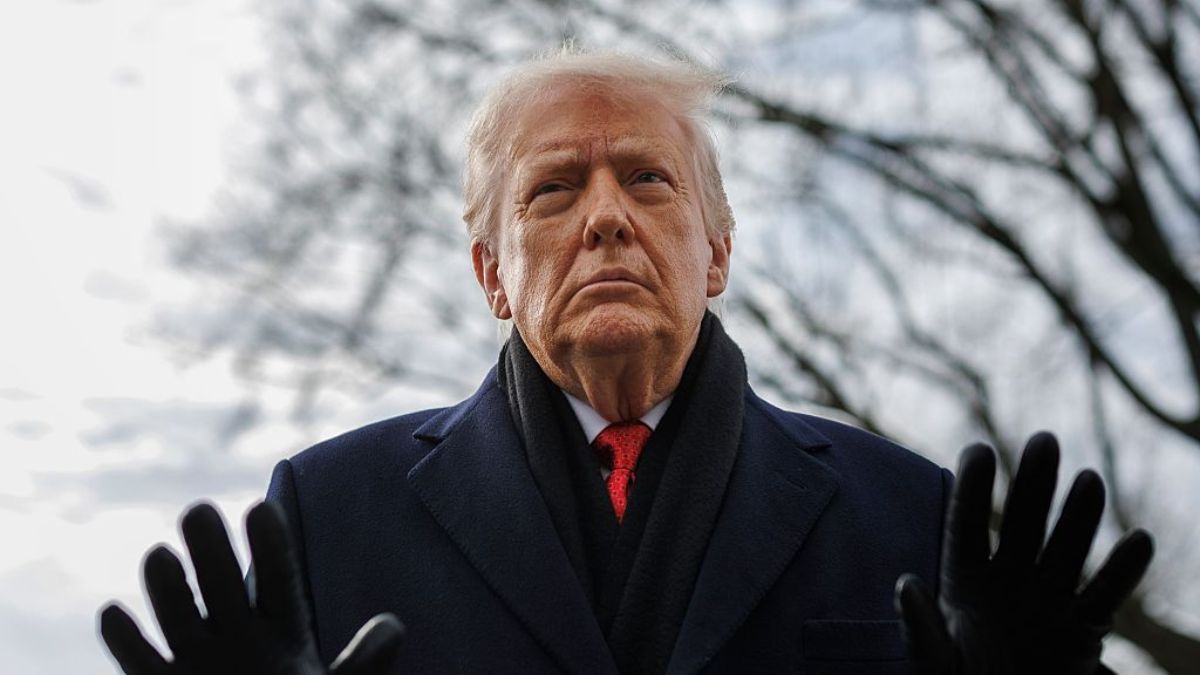

The European Parliament has suspended the approval process for a US trade deal agreed in July, citing President Donald Trump’s renewed push to acquire Greenland. The development was reported by the BBC and marks a sharp reversal after months of easing trade tensions between Europe and Washington.
The decision was announced in Strasbourg on Wednesday as Trump addressed the World Economic Forum in Davos. It followed a fresh bout of market anxiety, with investors once again bracing for the possibility of a broader trade conflict and retaliation against the United States.
Bernd Lange, chair of the European Parliament’s International Trade Committee, said lawmakers were left with no alternative but to halt work on two legislative proposals linked to the deal. He said implementation would remain frozen until the US chose cooperation over confrontation and before any further unilateral steps were taken.
Greenland remarks derail a fragile trade truce
The suspension reopens the prospect of EU tariffs on up to €93 billion in American goods. Those measures were paused while the July agreement awaited ratification, but are now due to take effect on February 7 unless the bloc extends the pause or formally approves the deal. Europe has also raised the possibility of invoking the anti-coercion instrument, an EU trade bazooka threat.
The agreement, now on hold, was designed to ease months of escalating tensions. Reached in July at Trump’s Turnberry golf course in Scotland, it reduced US levies on most European goods to 15% from the 30% previously threatened under the president’s April tariff push. In return, the European Union committed to increased investment in the US and regulatory changes aimed at boosting American exports, with final approval from lawmakers always required.
Tensions eased later in the day after Trump announced on social media that he had reached a framework understanding on Greenland’s future and would not impose new tariffs on eight NATO members. Earlier in Davos, he had reiterated interest in acquiring the territory from Denmark while saying he did not intend to use force and wanted immediate negotiations over what he described as its strategic importance.
Markets reacted positively to the de-escalation. US equities advanced, with the Dow Jones, S&P 500, and Nasdaq each rising more than 1% in afternoon trading, while gold continued to climb and briefly topped $4,842 an ounce.
The United States and the 27-nation European Union remain each other’s largest trading partners, exchanging more than €1.6 trillion in goods and services in 2024. Ahead of the Davos meetings, US Treasury Secretary Scott Bessent urged European leaders to avoid retaliation, and the administration also faced a school funding appeal withdrawal.







Published: Jan 21, 2026 04:30 pm