



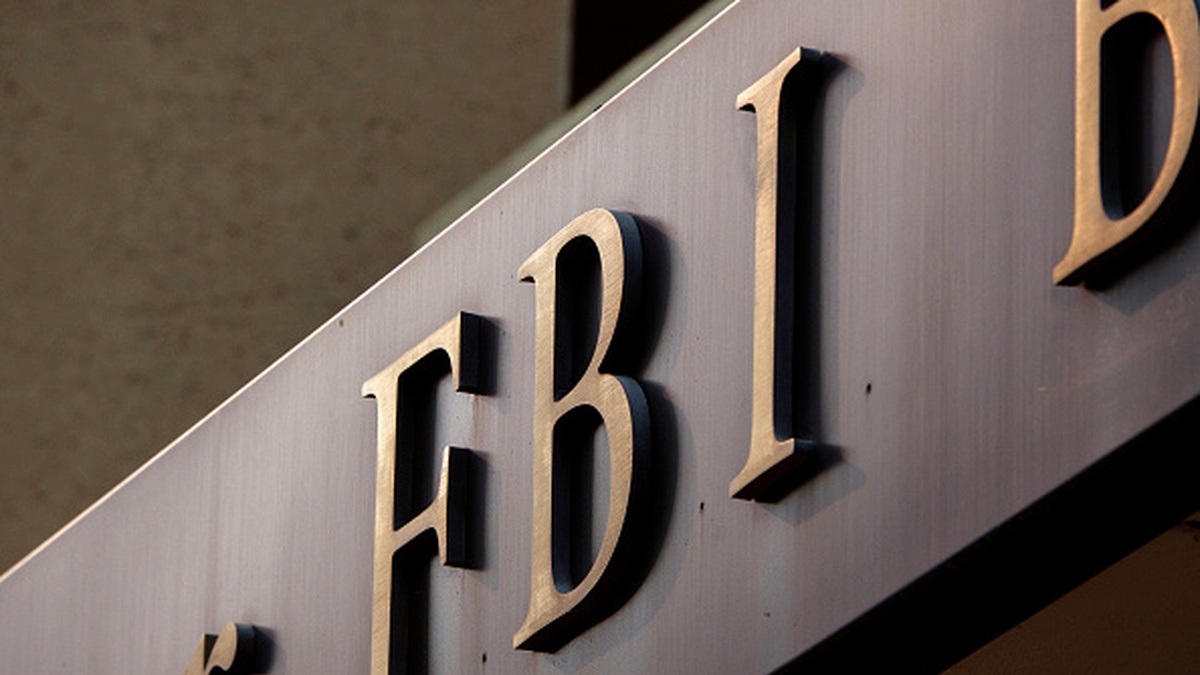

Federal agents executed a search warrant Wednesday at the home of Washington Post reporter Hannah Natanson as part of a major leak investigation, an exceptionally rare step in cases involving journalists. The incident came to light through The New York Times, which detailed the scope of the search and its broader implications for press protections.
According to the report, agents seized multiple electronic devices from Natanson’s residence, including laptops, a phone, and a smartwatch. Federal law, dating back to 1980, generally limits the government’s ability to search journalists’ work materials unless the reporter is suspected of committing a crime related to those materials.
Matt Murray, the Washington Post’s executive editor, told staff that neither Natanson nor the newspaper is the target of the investigation. In an internal message, Murray described the search as an extraordinary action and said it raised serious questions about constitutional protections for journalists.
The investigation marks a sharp escalation in leak cases involving the press
Later Wednesday, President Trump appeared to reference the case while speaking with reporters, saying the government had caught “a very bad leaker” connected to information about Venezuela. He added that additional investigations could be underway and said authorities were “hot on their trail.”
Court filings indicate investigators are focused on Aurelio Perez-Lugones, a Maryland-based system administrator with a top-secret security clearance. Prosecutors allege he improperly accessed and removed classified intelligence reports, which were later recovered from his lunchbox and basement. An official said Perez-Lugones was messaging Natanson at the time of his arrest and that classified material was found within their communications.
The search follows a recent policy shift by Attorney General Pam Bondi, who rolled back safeguards designed to limit the use of search warrants and subpoenas against journalists. While the changes largely returned standards to those used during the previous administration, Bondi removed a restriction that barred investigators from designating a reporter as a criminal suspect to bypass the 1980 protections.
Bondi defended the search in a social media statement, saying it was requested by the Pentagon to seek evidence from a journalist who was “obtaining and reporting classified and illegally leaked information from a Pentagon contractor.” Justice Department regulations typically require that such information be essential and that all reasonable alternatives be exhausted before a search warrant is used, including negotiations with the journalist, unless national security is at serious risk.
The Justice Department has not explained why it did not first issue a subpoena to Natanson, which would have allowed the newspaper to challenge the request and protect unrelated sources. Press freedom advocates criticized the move, with Bruce D. Brown of the Reporters Committee for Freedom of the Press calling it one of the most invasive actions law enforcement can take, while Knight First Amendment Institute director Jameel Jaffer warned of its potential chilling effect on journalism.
This comes amid other developments involving the U.S. military and Trump’s foreign policy, such as the reported quiet evacuation of personnel from a major U.S. base in Qatar amid regional tensions that have drawn attention to broader strategic decisions. Another related development saw concern from a U.S. service member about the legality of military operations after participating in controversial boat strikes, highlighting friction within defense circles.




Published: Jan 14, 2026 11:15 pm