



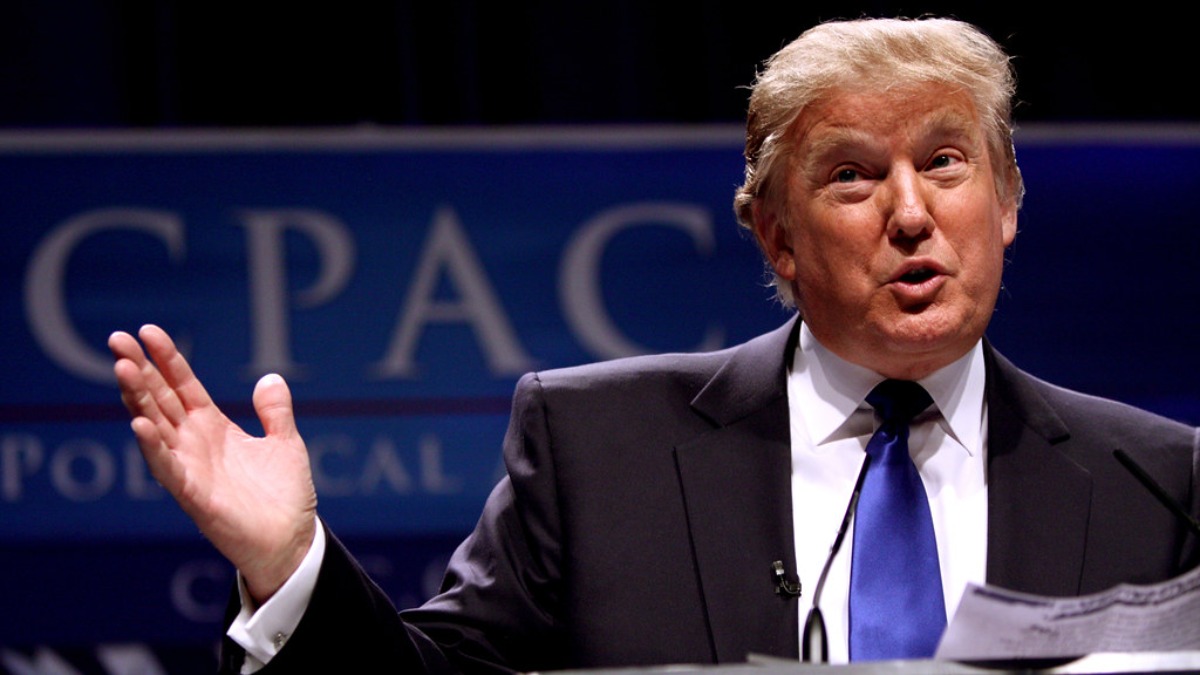

Florida’s Legislature passed a sweeping election bill backed by President Donald Trump that would impose new proof of citizenship requirements on voters. As detailed by Politico, the most significant change will not take effect until next January, meaning it will apply after the midterm elections.
The bill, modeled after the federal SAVE America Act, cleared the Florida House on a 77-28 partisan vote Thursday evening after passing the state Senate earlier in the day by a 27-12 vote. Trump has called the SAVE America Act the “Number 1 priority” before the midterms and said it “will guarantee the midterms” for Republicans.
Republican supporters in Florida, including Governor Ron DeSantis and top state election officials, have framed the measure as a way to strengthen confidence in elections. Democrats and voting rights groups, however, argue the changes could keep thousands of eligible voters from casting ballots.
The most significant voting changes will not apply until 2027
Supporters say the bill is meant to rebuild trust and integrity in the state’s election system. State Sen. Erin Grall, a Vero Beach Republican and one of the bill’s sponsors, questioned the state’s tolerance for fraud and said election systems do not remain secure without continued attention to gaps in enforcement, during wider Silicon Valley backlash tied to other Trump administration fights.
Democrats warned that the measure could disenfranchise seniors, students, and women whose names have changed over time. State Sen. Tina Polsky called it a dangerous path, while elections lawyer Marc Elias indicated his organization plans to challenge the law. State Sen. LaVon Bracy Davis said the bill is anti-American, anti-Floridian, anti-senior citizen, anti-student, and sexist.
It is already illegal for noncitizens to vote in Florida, and that prohibition was added to the state constitution in 2020. Florida currently has 13.3 million active registered voters, and the state’s Office of Election Crimes and Security said in its 2025 report that it had completed preliminary investigations into more than 835 people, finding 198 likely noncitizens who had illegally registered or voted.
Supporters argue most Floridians will not be affected because about 99 percent of those with driver’s licenses already meet REAL ID standards, which require documentation such as birth certificates. Grall said the delayed rollout would give local election supervisors and state agencies time to prepare, though she acknowledged about 872,000 Floridians do not currently have identification that meets those standards, as Pam Bondi scrutiny added to the broader political climate in Washington.
Beyond the citizenship requirement, the bill would also block college students from using student photo IDs for in-person voting, with that change also taking effect next year. It also creates new restrictions aimed at party switchers and establishes a process for rival candidates to challenge whether someone is qualified to appear on the ballot, a provision that would take effect immediately once the governor signs the bill.
Despite Trump’s calls for tighter limits on mail voting, the measure does not add new restrictions to the practice. Mail voting in Florida was expanded after the 2000 presidential recount to any eligible voter who requests a ballot, and Grall said the state has already done a great deal to ensure the integrity of that process.




Published: Mar 13, 2026 06:00 am