



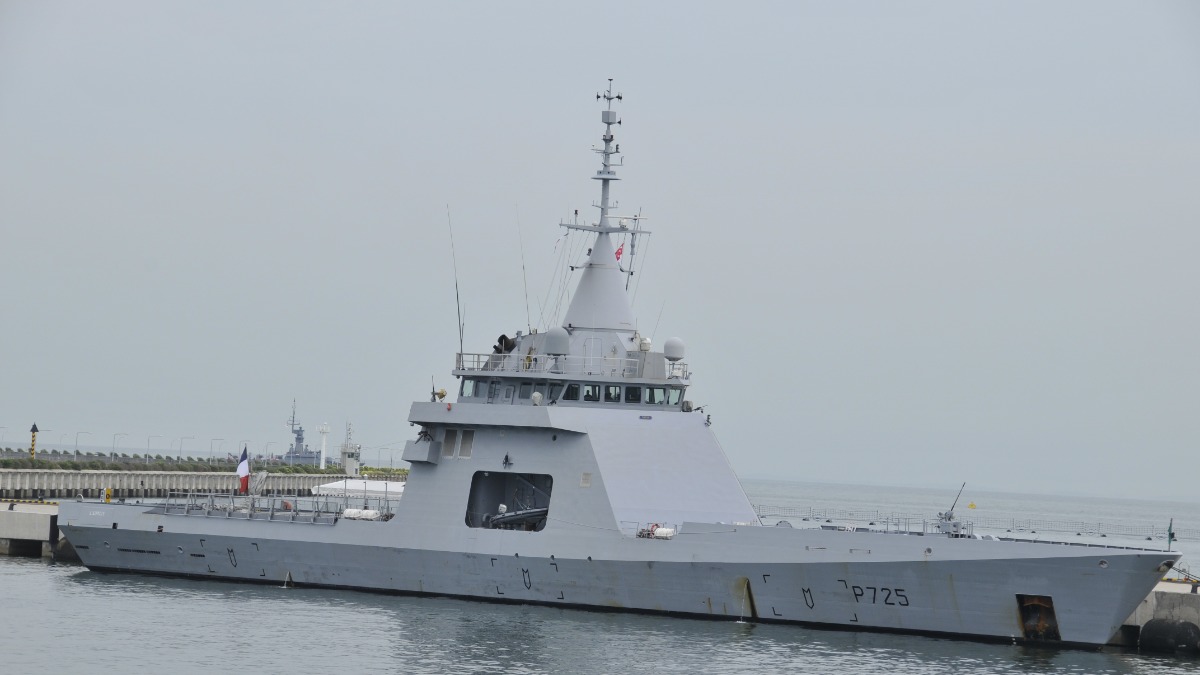

France is dramatically expanding its military presence in the Middle East, sending 10 additional warships to the region in what President Emmanuel Macron described as an “unprecedented” deployment. The vessels will reinforce France’s operations across the Eastern Mediterranean, the Red Sea, and potentially the Strait of Hormuz.
The development was detailed by The New York Times, which reported that the deployment comes as regional tensions tied to conflict with Iran continue to disrupt vital oil tanker routes. Officials say the mission is focused on protecting maritime traffic and allied interests in key waterways.
France already has naval forces in the region, but the new deployment significantly expands its footprint. The move signals growing concern about security around one of the world’s most important shipping routes.
France preparing naval escort presence near key global oil route
Over the next 48 hours, France plans to send eight frigates and two helicopter carriers toward the region. The country’s only aircraft carrier, Charles de Gaulle, is already stationed in the Mediterranean, while a frigate and air defense systems were earlier deployed to Cyprus after the island faced attacks from Iranian-made drones and missiles.
President Emmanuel Macron said the expanded naval presence is designed to protect roughly 400,000 French citizens living across the Middle East. The deployment is also intended to defend allies and potentially escort commercial ships through the Strait of Hormuz, where the Hormuz passage offer has added another layer to the regional picture.
Roughly one-fifth of the world’s oil supply passes through the narrow waterway. Macron emphasized that France’s role would focus on protection rather than direct combat operations, describing the effort as an “escort and support mission.”
France also maintains defense agreements with several Gulf countries that have faced aerial attacks from Iran since the conflict began. Macron said he is working to organize a broader international escort force to ensure safe passage through the Strait of Hormuz, noting that several European nations as well as India and other Asian countries have indicated they are willing to participate.
Macron offered a cautious outlook on how long the conflict could last, saying the most intense phase of the fighting may continue for several days or possibly several weeks. He said the timeline will largely depend on the military objectives pursued during the campaign.
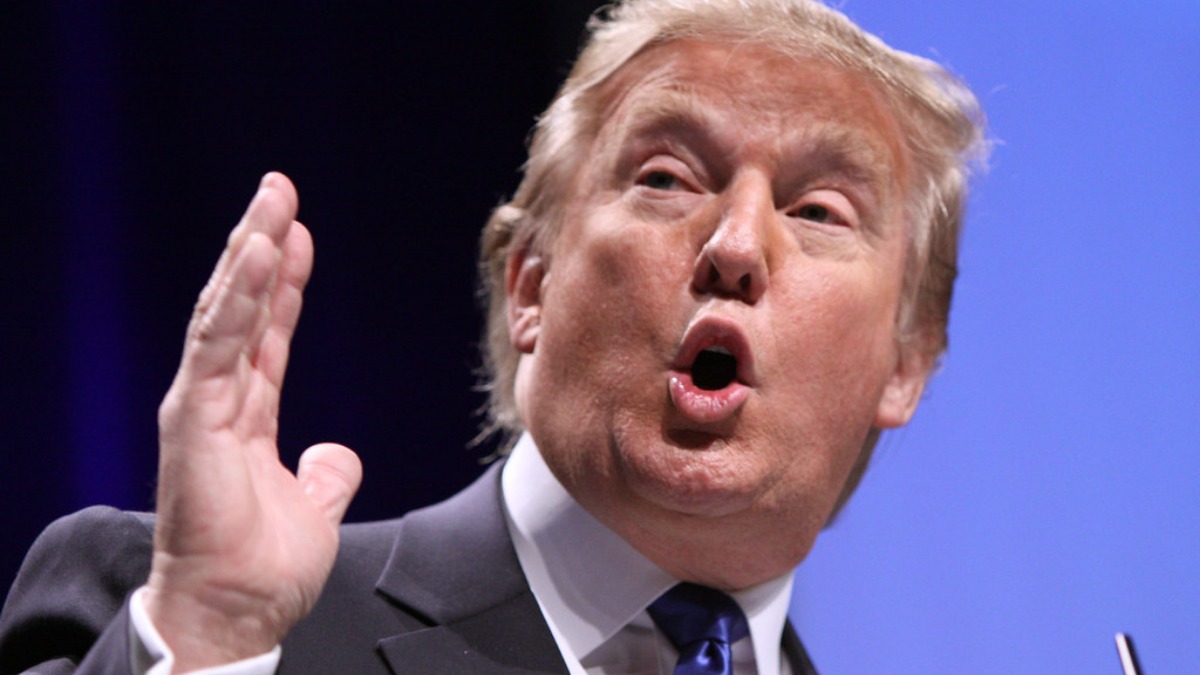
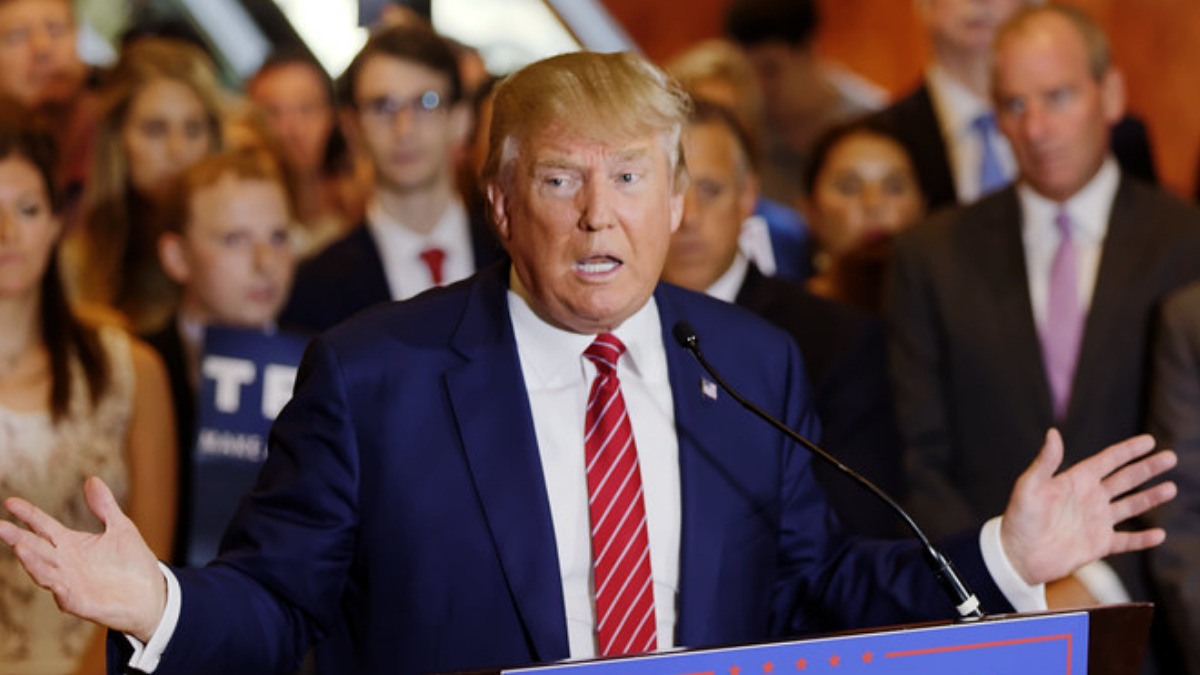
The French president also acknowledged that U.S. and Israeli strikes connected to the conflict have been illegal while arguing that Iran bears primary responsibility for triggering the war. President Donald Trump offered a different assessment during an interview with CBS News, stating that the conflict was already nearing completion and claiming the campaign was ahead of schedule. The remarks came as the Canada Iran war stance became part of the wider diplomatic fallout.
Earlier in the war, Iranian drones and missiles struck targets in Cyprus, a member of the European Union that also hosts British military bases. The attacks underscored the wider regional risks tied to the conflict and helped prompt France’s expanded military posture.






Published: Mar 10, 2026 12:45 pm