



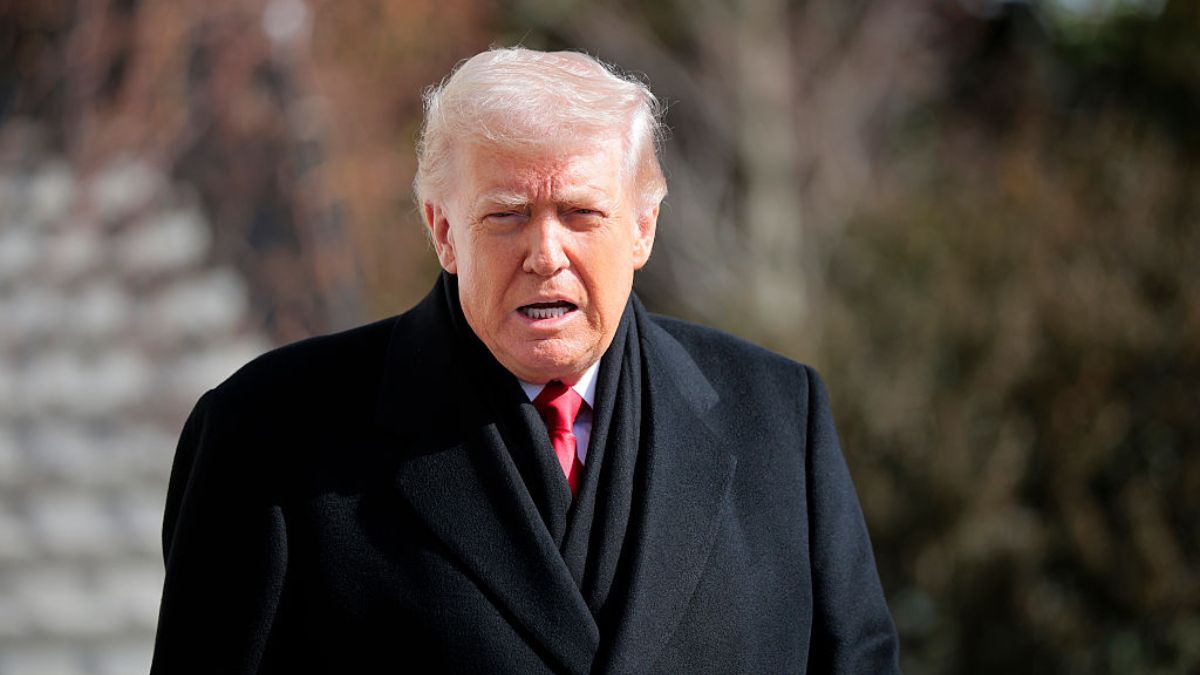

President Donald Trump announced a major change in federal policy on civil unrest. He told Homeland Security Secretary Kristi Noem that federal forces will not help with protests or riots in Democratic-led cities unless local leaders ask for help. This is a big shift, especially with ongoing debates about federal involvement in local policing across the country.
According to ABC News, Trump made his position clear on his social media site. He said “under no circumstances are we going to participate in various poorly run Democrat Cities with regard to their Protests and/or Riots unless, and until, they ask us for help.” This puts local leaders who have criticized federal intervention in charge of their own response.
Trump did point out one major exception to this new policy. Federal agencies will still “guard, and very powerfully so, any and all Federal Buildings that are being attacked by these highly paid Lunatics, Agitators, and Insurrectionists.” He directed U.S. Customs and Immigration Enforcement (ICE) and Border Patrol to be “very forceful in this protection of Federal Government Property.”
Federal enforcement faces growing resistance in Democratic cities
This announcement comes as opposition to the administration’s immigration enforcement has increased. Federal law enforcement or the National Guard have been deployed in several Democratic cities, including Washington, Los Angeles, Portland, Oregon, and Chicago. The pushback has been particularly strong in Minnesota’s Twin Cities region.
Minnesota Attorney General Keith Ellison and the mayors of Minneapolis and St. Paul filed a lawsuit. They claim the Department of Homeland Security is violating constitutional protections with its enforcement efforts. They requested a quick order to stop the federal action, but a federal judge denied that request. Justice Department lawyers called the lawsuit “legally frivolous.”
Tensions in Minneapolis have been very high. Mass protests spread across the city and nation after federal officers fatally shot two people: Renee Good on January 7 and Alex Pretti on January 24. These incidents increased public concern and local government opposition to federal enforcement. The administration has also faced challenges in international relations, particularly regarding its pressure on South Korea’s trade agreements.
Tom Homan, the administration’s border czar, suggested that the number of immigration officers in Minnesota could be reduced. However, this depends on state and local officials agreeing to work with the federal government. Trump sent Homan to Minneapolis after the fatal shootings.
Cooperation appears to be the main factor in whether local leaders will see fewer federal officers in their cities going forward. Meanwhile, the administration continues dealing with other controversies, including a resurfaced tax return leak affecting Booz Allen.






Published: Feb 2, 2026 03:15 am