



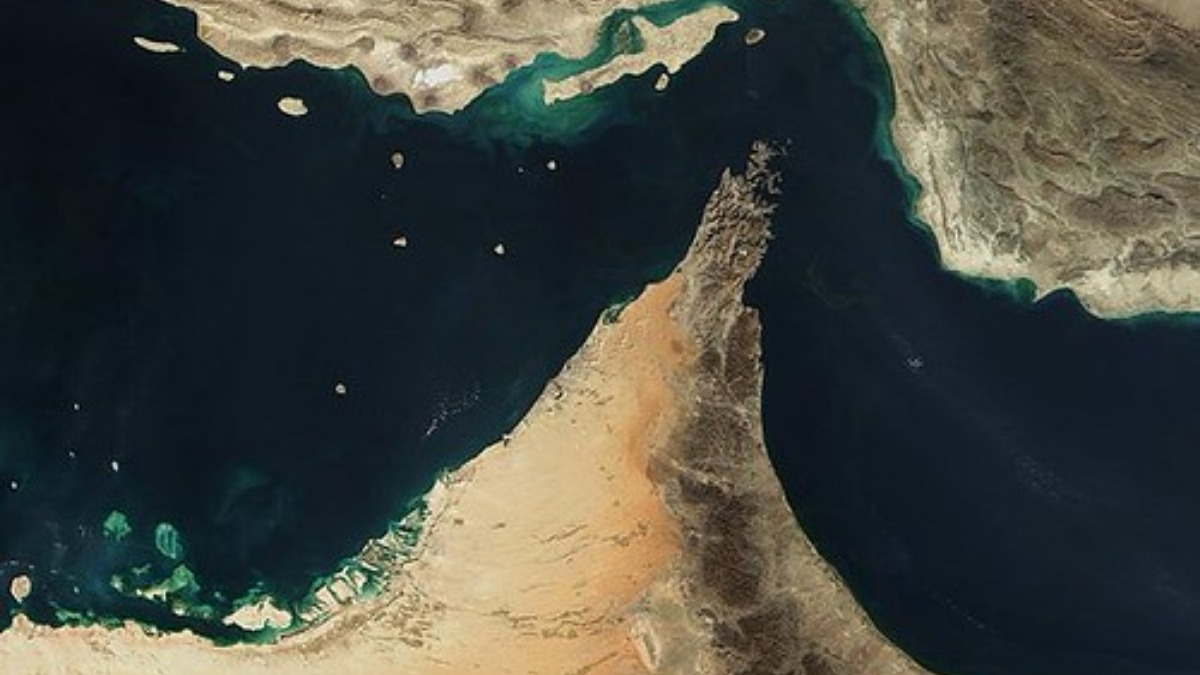

The United States military command overseeing the Middle East has reported that two of its destroyers successfully passed through the Strait of Hormuz, sparking a sharp dispute between Washington and Tehran. US officials say the operation was part of a mission to clear sea mines and restore the free flow of international trade. But Iranian authorities have denied this, saying that any vessel moving through the area does so only under their control.
The two ships, the USS Frank E. Peterson and the USS Michael Murphy, turned on their automatic identification systems during the transit, a clear signal that the vessels had successfully passed through the strait. The move comes after Iran effectively closed the waterway to all but pre-approved traffic, when the war began. This closure has caused global fuel prices to rise sharply, as the strait carries a large share of the world’s oil and natural gas.
Admiral Brad Cooper said the presence of these ships marks a turning point in the mission to clear mines laid by the Islamic Revolutionary Guard Corps (IRGC). He added that the US is working to establish a safe passage that will eventually be shared with the wider shipping industry. If the US can successfully remove the mines and create a secure corridor, Iran’s main source of bargaining power in current negotiations would likely weaken, reports Al Jazeera.
Iran’s version of events suggests the US destroyers did not pass through unchallenged
However, the situation on the water appears far more tense than the official US reports suggest. According to a radio conversation recorded by a civilian ship, the IRGC issued a direct warning to the US destroyers, stating, “This is the last warning.” The US vessel responded by saying it was operating in line with international law and the existing ceasefire rules, according to Fortune.
Iranian media outlets have also claimed that the destroyers were forced to turn around after being confronted by the IRGC, which allegedly launched a drone toward the ships. These events point to a deep lack of trust between the two sides, even as diplomatic talks continue elsewhere. Many analysts have noted that Trump declared victory on the Iran ceasefire, though the terms his own side agreed to tell a more complicated story.
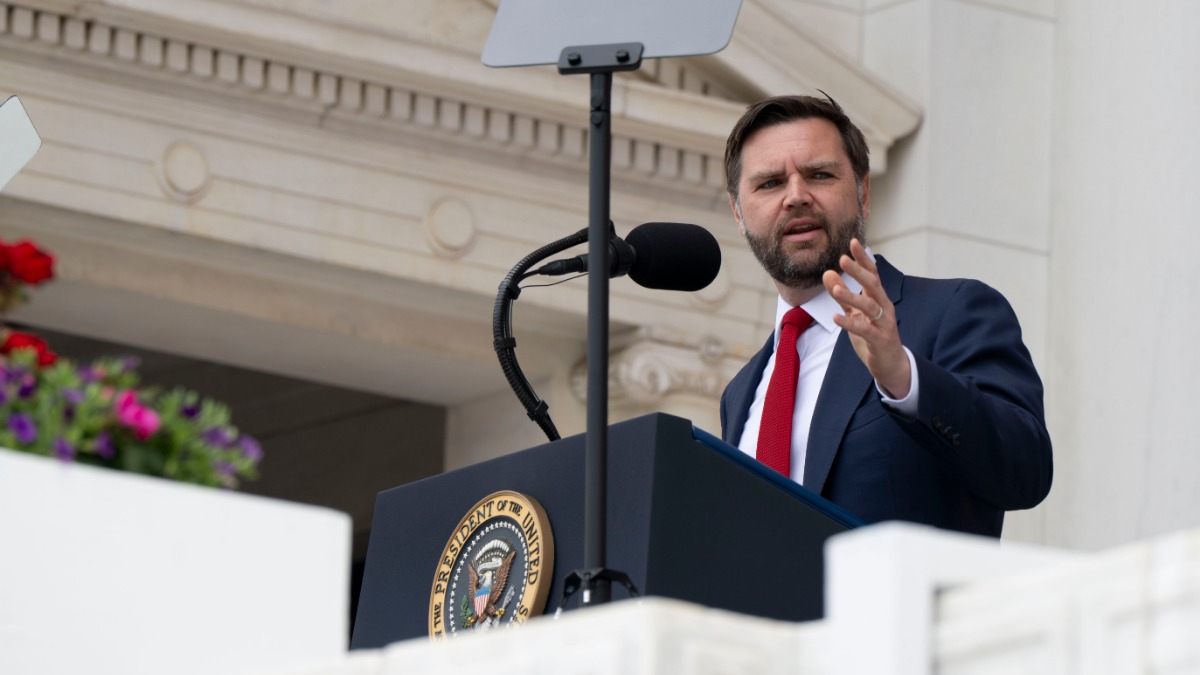
These military moves are happening at the same time as high-level negotiations in Islamabad. The US delegation, led by Vice President JD Vance, is meeting with Iranian parliamentary speaker Mohammad Bagher Ghalibaf. These are the highest-level talks between the two countries since 1979, taking place under a preliminary ceasefire that began on April 7.
Despite this diplomatic window, the two sides remain far apart on Iran’s nuclear program, frozen assets, and the future of the Strait of Hormuz. Tehran has argued that it deserves compensation for war damages and has proposed charging tolls for any vessel passing through the strait.
From the US perspective, continued Iranian control over the waterway is completely unacceptable. Analysts widely agree that any peace deal that does not guarantee the full and unrestricted reopening of the strait would be seen as a strategic failure for the United States.
For the shipping industry, the stakes are very high. Commercial shipping companies have been waiting to see whether the strait would be cleared, and the deployment of these destroyers signals that the US is determined to break Iran’s blockade. Experts say the military is working to systematically reduce Iran’s ability to block shipping by removing underwater mines and neutralizing land-based threats.
The goal is to bring the threat level down to a point where insurers and shipping companies feel comfortable operating again. The ceasefire is currently set for a two-week period, and it is not clear whether it will hold beyond that. The US is also reportedly increasing its military presence in the region, with additional aircraft carriers and thousands of troops expected to arrive later this month.
World leaders are also responding to the shifting situation, UK Prime Minister Starmer flew to the Gulf after the Iran ceasefire announcement in a move that caught many people off guard. Whether the high-stakes negotiations in Islamabad can prevent the next military confrontation remains to be seen, as the world watches closely to see what happens next in the Strait of Hormuz.




Published: Apr 12, 2026 06:30 am