



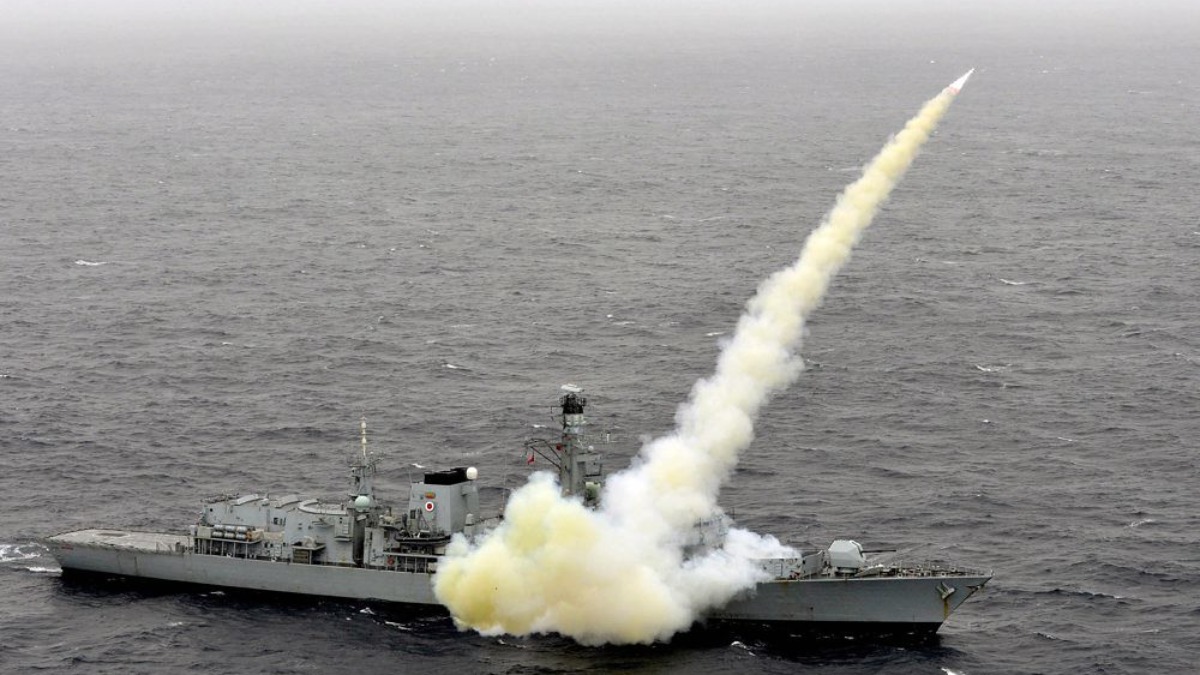

Two missiles that were intercepted over Turkey within a week of each other have been traced to an area east of Tehran, according to security sources, even as Iran continues to deny any involvement. The incidents took place shortly after the U.S. and Israel carried out their own strikes on Iran.
NATO systems intercepted both missiles as they crossed into Turkish airspace. Debris from the first landed in Hatay on March 4, 2026, and pieces of the second were found in Gaziantep’s Güneysehir neighborhood on March 9, 2026. Turkey has already issued a high-level warning to Iran following the two consecutive missile firings.
According to Turkiye Today, Turkey’s Foreign Minister Hakan Fidan spoke directly with his Iranian counterpart, Abbas Araghchi, urging him to avoid steps that could raise regional tensions. Araghchi, however, denied that the missiles came from Iran at all.
Turkish security sources are pushing back hard on Iran’s denials, pointing to a very specific launch location
Turkish security sources rejected Araghchi’s claims, noting that both missiles shared the same 1,200-kilometer range and were launched from the exact same location east of Tehran. The second missile was shot down by an interceptor fired from a U.S. Navy ship operating as part of NATO in the Eastern Mediterranean.
Security sources believe Iran’s “Mosaic Defense” system may be responsible for these launches. Under this military doctrine, Iran’s forces are divided into seven or eight independent sectors. If central command is taken out, pre-attack orders are automatically carried out by local commanders, meaning a regional commander may have been acting on outdated instructions.
The broader conflict has drawn attention from allies, with Canada’s position on NATO involvement in the Iran war becoming a point of debate among member states. Not everyone in Ankara accepts that explanation, though. Some insiders believe the missiles were actually tests of NATO’s air defense capabilities, with Turkey’s Kürecik radar base in Malatya as the intended target.
This theory gained more weight after NATO sent a new batch of Patriot missile defense systems to Malatya this past Tuesday. The Kürecik base plays a key role in the European Phased Adaptive Approach (EPAA), housing a high-resolution TPY-2 X-band radar designed to track Iranian ballistic missiles headed toward Europe. That makes it a logical target for Iran to probe NATO’s response.
Despite the tension, Ankara is maintaining a calm but firm position. Security sources said Turkey will not be pulled into any situation that leads to war, while keeping its deterrence fully active. Turkish President Recep Tayyip Erdoğan stated clearly that Turkey would take all necessary measures to defend the country.
He said that “extremely wrong and provocative steps continue to be taken that will jeopardize Türkiye’s friendship,” and urged that “persistence and stubbornness in wrongdoing should be avoided.” Separately, Trump’s approach to Iran’s oil resources has added another layer of complexity to how Western nations are handling the broader standoff with Tehran.
Iranian President Masoud Pezeshkian called President Erdoğan and proposed a joint investigation into what he called “allegations promoted by countries hostile to Iran.” Iranian officials also said Pezeshkian believes the U.S. and Israel are trying to “sow discord” between Iran and its neighbors. The call came after Turkey had already summoned Iran’s ambassador over the missile incidents.
In a related development, Turkey deployed six F-16 fighter jets to the Turkish Republic of Northern Cyprus as a precaution, days after the island was struck by a drone attack. Authorities in Nicosia believe the Iranian-made drone was likely launched by Lebanon’s Hezbollah, rather than directly by Iran.









Published: Mar 11, 2026 05:45 pm