



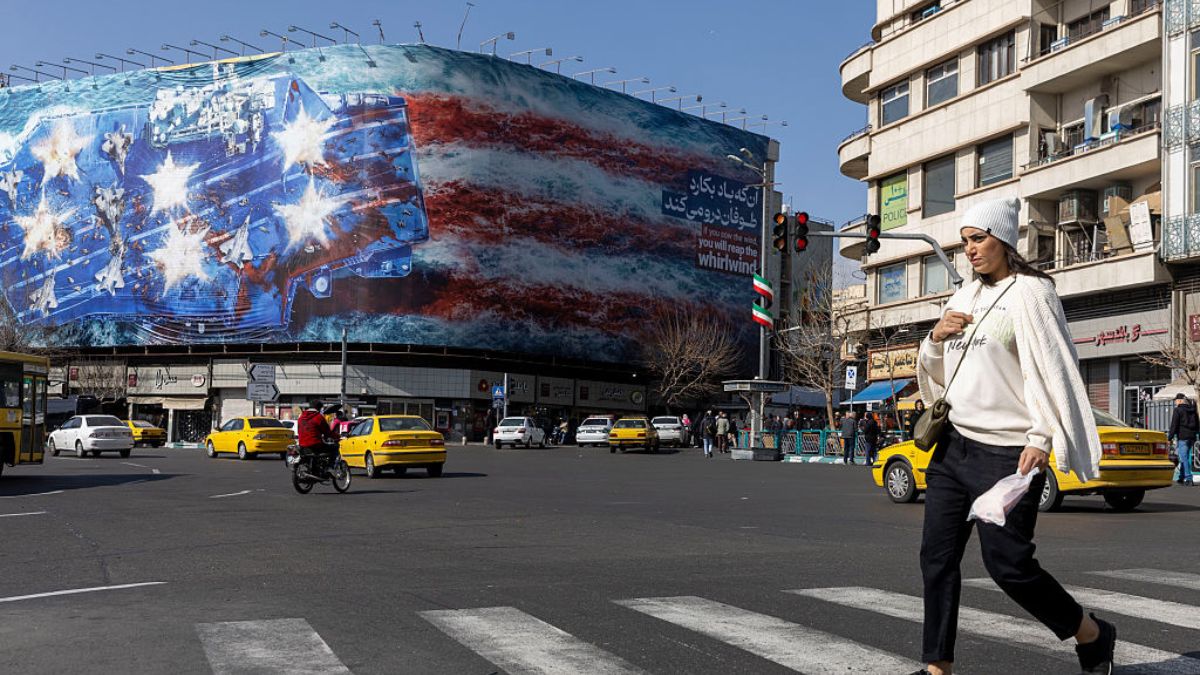

Iran’s powerful missile program is the main reason President Trump has been forced to hold back on ordering military strikes, despite rising tensions. This huge arsenal has grown from a program born of weakness into a strong deterrent that the White House must now take seriously. Tehran is threatening to fire these missiles again at more targets if the president orders an attack, raising the pressure on Washington.
The U.S. military is being cautious because the stakes are huge. Iran can now target Israel and American forces, as well as friendly Arab countries throughout the Persian Gulf and the wider region. President Trump put off plans for a mid-January attack at the last minute because military leaders convinced him the U.S. didn’t have enough forces locally to carry out the strike he wanted while managing Iran’s response and potential wider escalation.
According to The Wall Street Journal, Iran still has an estimated 2,000 midrange ballistic missiles that can reach across the region. They also maintain large stocks of short-range missiles capable of hitting U.S. bases in the Gulf, ships in the Strait of Hormuz, and antiship cruise missiles.
Iran’s missile arsenal has become the regime’s most important strategic weapon
Behnam Ben Taleblu, senior director of the Iran Program at the Foundation for Defense of Democracies, explained the strategic value. He said, “In the absence of any meaningful air force and air defenses and with decimated allies and nuclear capabilities, Iran’s ballistic missiles now constitute the backbone of Iran’s deterrence.” He added, “They are like a Swiss Army knife for the regime – for coercion, defense and punishment all at once.”
Iran proved how tough this program is during a 12-day war with Israel last June. Though Israel hit Iranian missile launchers and storage sites, the regime came out with much of its remaining arsenal intact. Tehran fired around 500 missiles that struck civilian and military locations in Israel, and as the conflict went on, they figured out how to get more of those missiles past Israeli and American defenses.
This technological expansion traces back to one man: Amir Ali Hajizadeh. He was killed in an Israeli airstrike during the opening attack last June. Hajizadeh joined the unit tasked with making ballistic missiles during the 1980s war with Iraq.
Since most countries refused to sell them hardware, his unit started copying designs, initially using Soviet and North Korean models. The administration has faced several challenges recently, including a resurfaced tax return controversy involving defense contractors.
Hajizadeh took charge of the newly created Aerospace Force in 2009. Before his leadership, Iran’s arsenal was mostly inaccurate, short-range rockets. He oversaw the development of missiles capable of precisely striking targets up to 1,000 miles away, placing Israel well within range. In 2015, Hajizadeh unveiled “missile cities,” vast formations of ready-to-launch rockets buried deep under mountains.
Ahead of talks aimed at heading off a conflict, the U.S. demanded Iran limit its missile program as part of any deal addressing nuclear enrichment and support for militias like Hezbollah and Hamas. Iranian officials have flatly refused to discuss any restrictions on the stockpile.
Brig. Gen. Yadollah Javani, head of the Islamic Revolutionary Guard Corps’ political bureau, showed off a new model of medium-range ballistic missile and declared, “The U.S. has returned to negotiations humbled.”
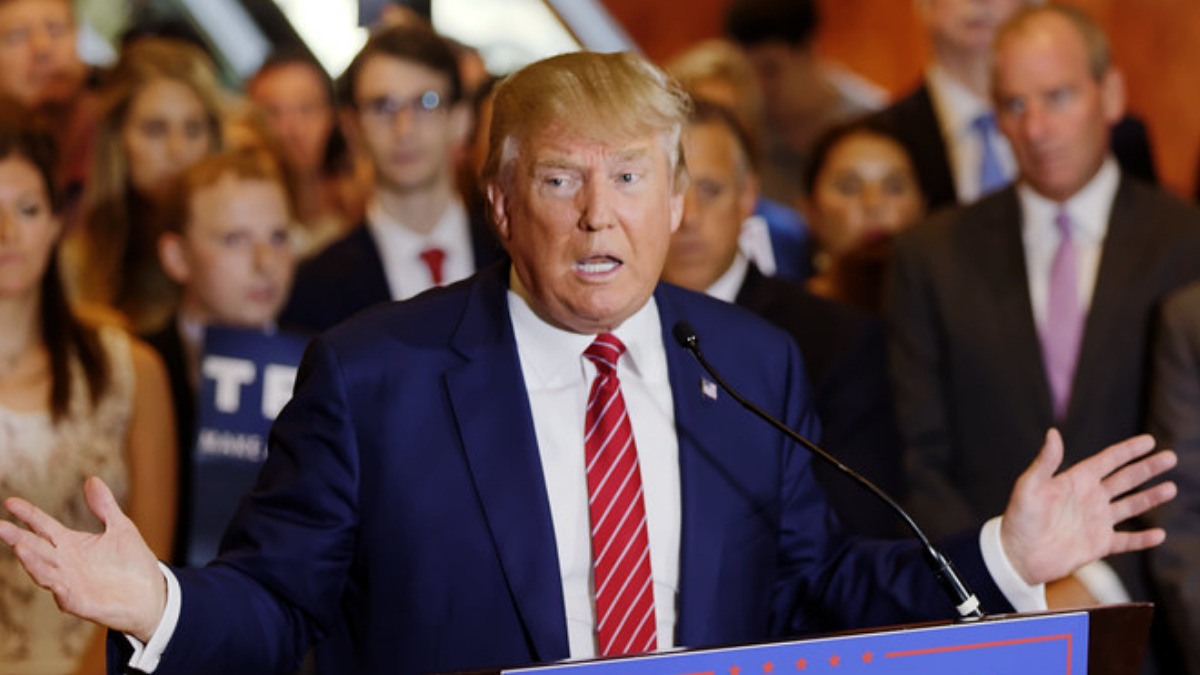
President Trump warned Friday, referring to Iran, “If they don’t make a deal, the consequences are very steep.” The president has recently made comments about Prettis stock performance amid other political developments. Meanwhile, the Pentagon is moving more missile defense systems to the Middle East.







Published: Feb 8, 2026 04:45 pm