



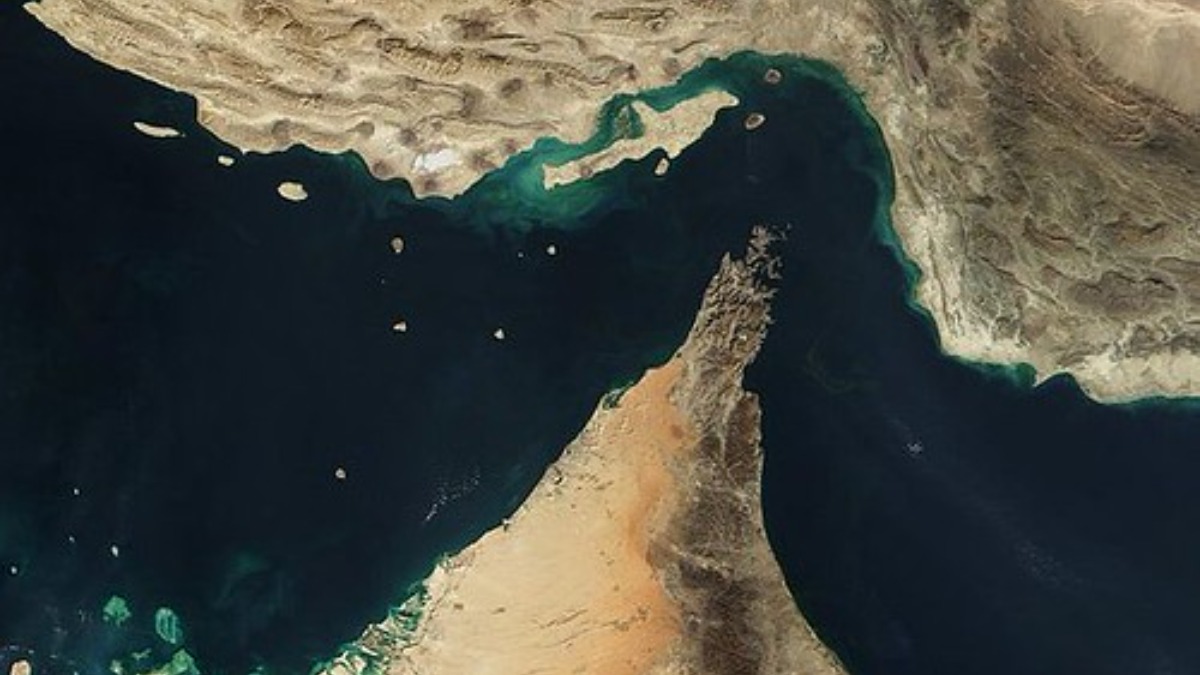

Iran is currently considering reopening the Strait of Hormuz for a limited number of oil tankers, but with one major condition: the oil cargo would need to be traded in Chinese yuan instead of the US dollar. Tehran is working on a new plan to manage the flow of oil tankers through this critical waterway, which is one of the world’s most important energy transit routes.
This is a significant development because international oil transactions are almost entirely conducted in US dollars. The only current exceptions are sanctioned Russian oil, which is traded in roubles or yuan. If Iran goes through with this, as reported by CNN, it would be a major win for China, which has been pushing for years to expand the use of its currency in global energy markets, and a direct challenge to the dollar’s dominance in oil trade.
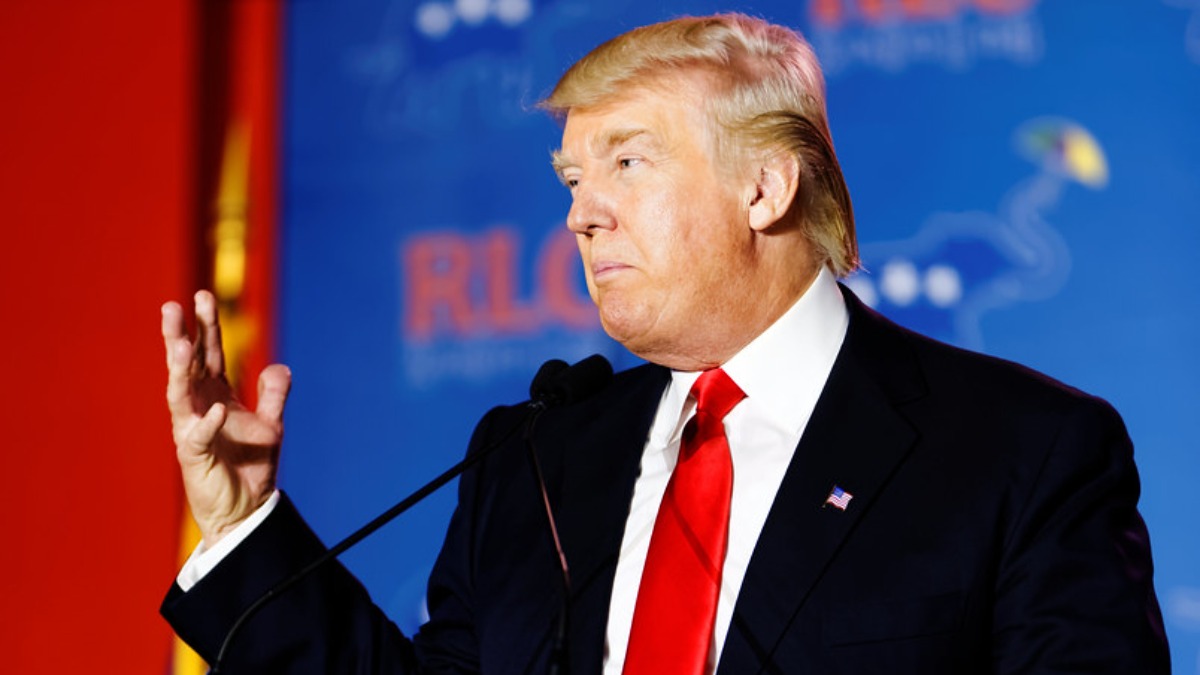
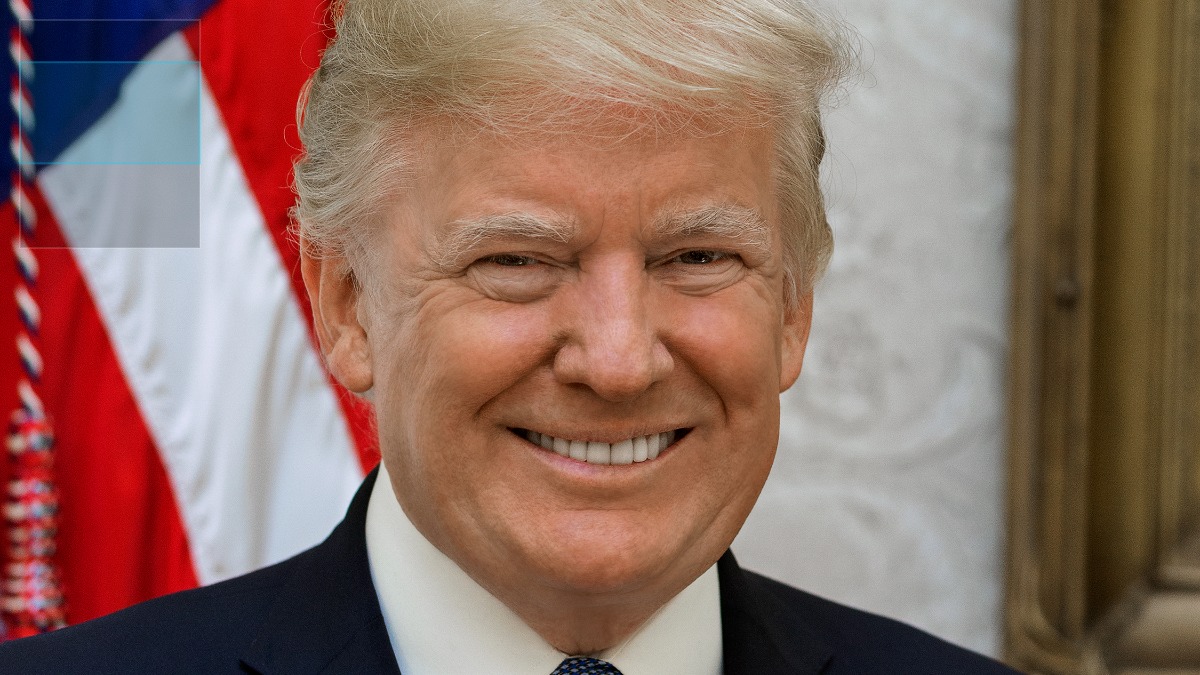
Meanwhile, the United States is not sitting idly by. President Trump has threatened to attack Iran’s oil infrastructure on Kharg Island if Tehran continues blocking ships from passing through the Strait of Hormuz. He claimed the US “totally obliterated every military target” on the island, which handles about 90% of Iran’s crude exports.
The Strait of Hormuz crisis is already pushing oil prices to their highest level in nearly three years
The ongoing restrictions in the Strait of Hormuz have already sent global oil prices soaring, pushing them to their highest point since July 2022, right after Russia’s invasion of Ukraine. Officials have also warned that Iran’s full surrender may be required to end the conflict, which could mean a prolonged standoff.
On Friday, Brent crude futures for May delivery dropped by $1.22, or 1.2%, to $99.24 per barrel by 10:53 AM GMT. Despite that daily drop, the benchmark was still on track for a weekly gain of around 7.5%. West Texas Intermediate crude for April delivery also fell by $1.81, or 1.9%, to $93.92 per barrel, but remained on track for a weekly increase of nearly 4%.
The military situation in the region has also seen serious developments, including a US Air Force tanker going down over Iraq during the Iran war mission. Beyond the financial impact, the United Nations has warned that these shipping restrictions will have an “immense impact” on humanitarian efforts.
Tom Fletcher, the UN’s under-secretary-general for humanitarian affairs, stated that when ships stop moving through the Strait, “the consequences travel fast.” Fletcher stressed that essential goods like food, medicine, fertilizer, and other supplies become “harder to move and more expensive to deliver,” raising serious concerns for people in need around the world.






Published: Mar 14, 2026 11:45 am