



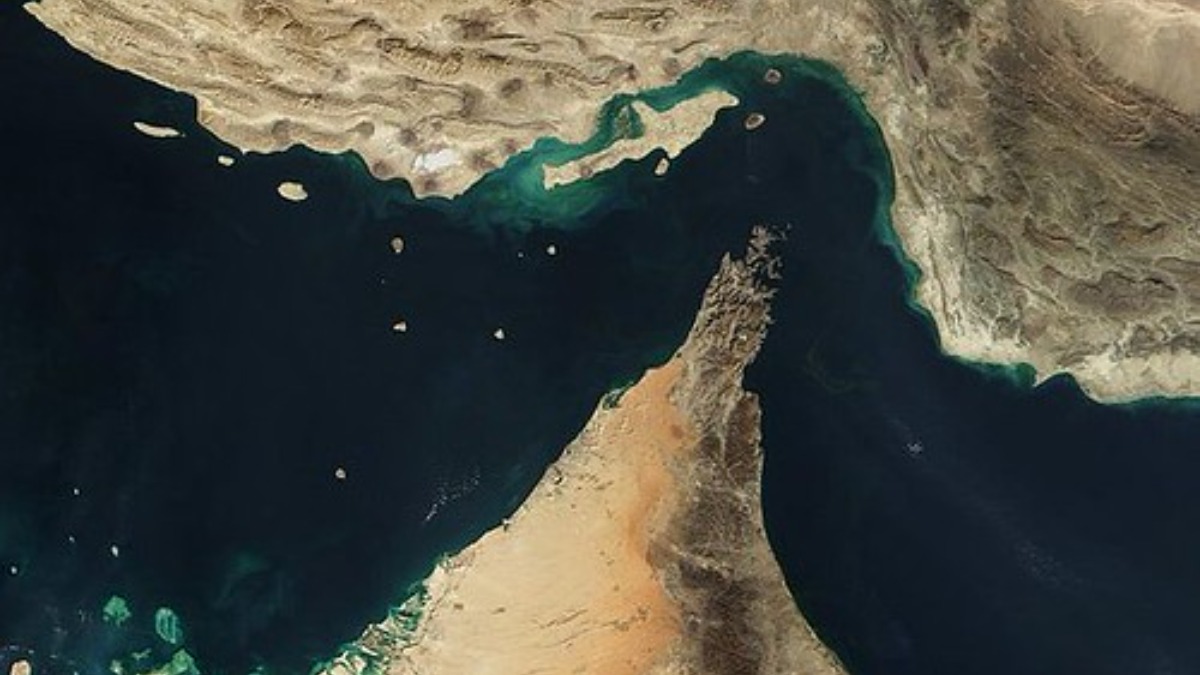

Iran is introducing a new vetting and registration system for ships seeking to pass through the Strait of Hormuz, signaling a shift toward what officials describe as a “selective” blockade of the critical waterway. As reported by Al Jazeera, the move comes as maritime traffic in the region has sharply declined.
The system is reportedly being developed by Iran’s Islamic Revolutionary Guard Corps, requiring ships to submit detailed information before being allowed to transit. This includes ownership records and cargo destinations, with the data said to be routed through Iran-linked intermediaries operating outside the country.
Traffic through the Strait of Hormuz has dropped by about 95 percent over the past three weeks amid escalating tensions involving the United States, Israel, and Iran. The disruption is significant because roughly one-fifth of the world’s oil supply typically moves through the narrow passage.
A new system is reshaping how ships move through the strait
Despite the sharp decline, some ships have continued to pass through under limited conditions. These vessels are largely flagged to countries such as Pakistan, India, and China, with some reportedly disabling tracking systems or broadcasting alternative credentials to avoid interference.
Iran has also established a designated corridor through its territorial waters, where a small number of ships have already transited. In at least one case, a tanker reportedly paid $2 million for access, highlighting the potential costs tied to the new system.
Several countries, including India, Pakistan, Iraq, Malaysia, and China, are in discussions with Tehran over access to these routes. The talks come as markets remain focused on stranded Iranian oil.
Iran’s Foreign Minister Abbas Araghchi said the Strait remains “open, but closed to our enemies,” signaling a more controlled approach compared to earlier threats. The policy suggests Iran is attempting to balance restriction with limited access rather than enforcing a full closure.
Experts have raised concerns about the feasibility of the system, particularly its requirement that ships disclose sensitive operational details and potentially enter Iranian-controlled waters. Maritime law specialists warn this approach could increase security risks and deter operators already navigating sanctions and insurance challenges.
Questions also remain about whether shipping companies and insurers will accept the risks associated with the new process. The broader uncertainty has also unfolded amid Europe calling for calm while regional tensions continue to pressure energy transport.
Analysts say even if the system becomes fully operational, global shipping routes cannot adjust quickly due to long planning cycles. The current disruption is expected to have lasting effects on supply chains and energy markets.









Published: Mar 20, 2026 09:30 am