



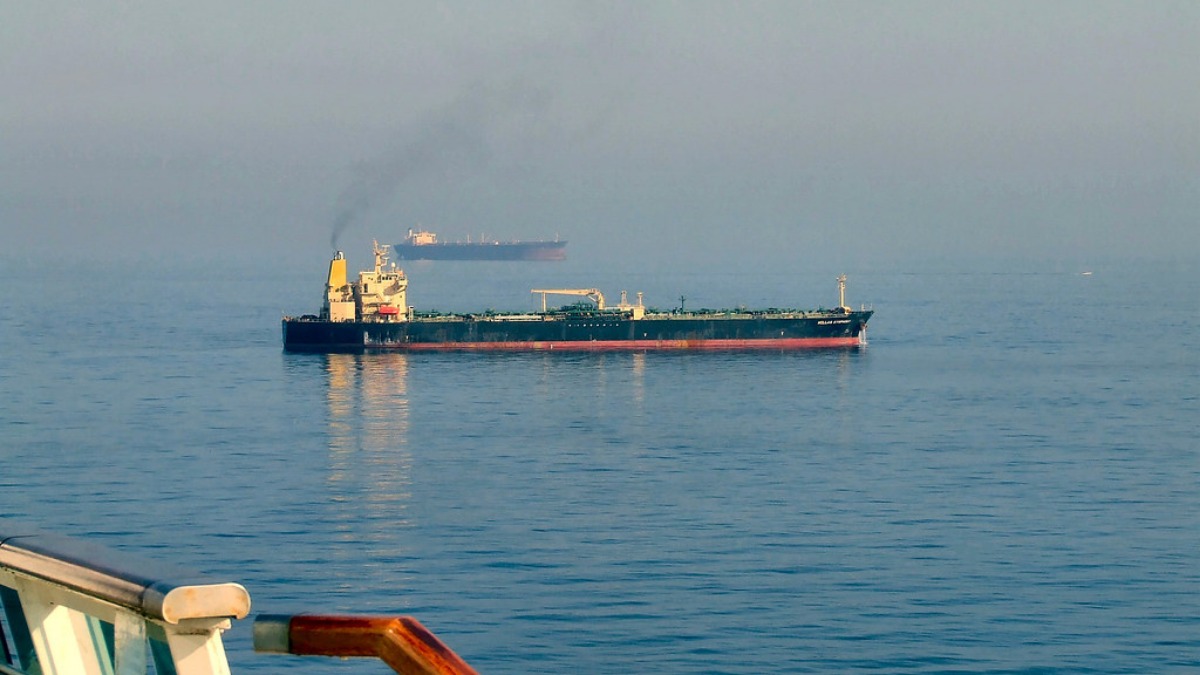

Iran has not fully reopened the Strait of Hormuz because, according to U.S. officials, it cannot locate some of the naval mines it laid in the waterway. This is a serious problem for global trade, since about 20% of the world’s oil supply passes through this narrow passage. The strait remains mostly restricted, creating danger and uncertainty for ships trying to use one of the most important shipping routes in the world.
According to The New York Times, U.S. officials, speaking anonymously, say Iran mined the strait without keeping clear records of every mine’s location. On top of that, some mines were placed in a way that allowed them to drift from their original spots, making them even harder to find. This has kept the strait largely closed even after a ceasefire was announced.
On April 8, President Trump announced a two-week ceasefire between the U.S. and Iran, pausing a war he had initiated on February 28. A key part of the deal was Iran reopening the strait. But Iran said the ceasefire also included a pause on Israel’s invasion of Lebanon, a condition that was not being met, so the strait stayed restricted.
The mining crisis has pushed the strait into a dangerous standoff with no clear resolution in sight
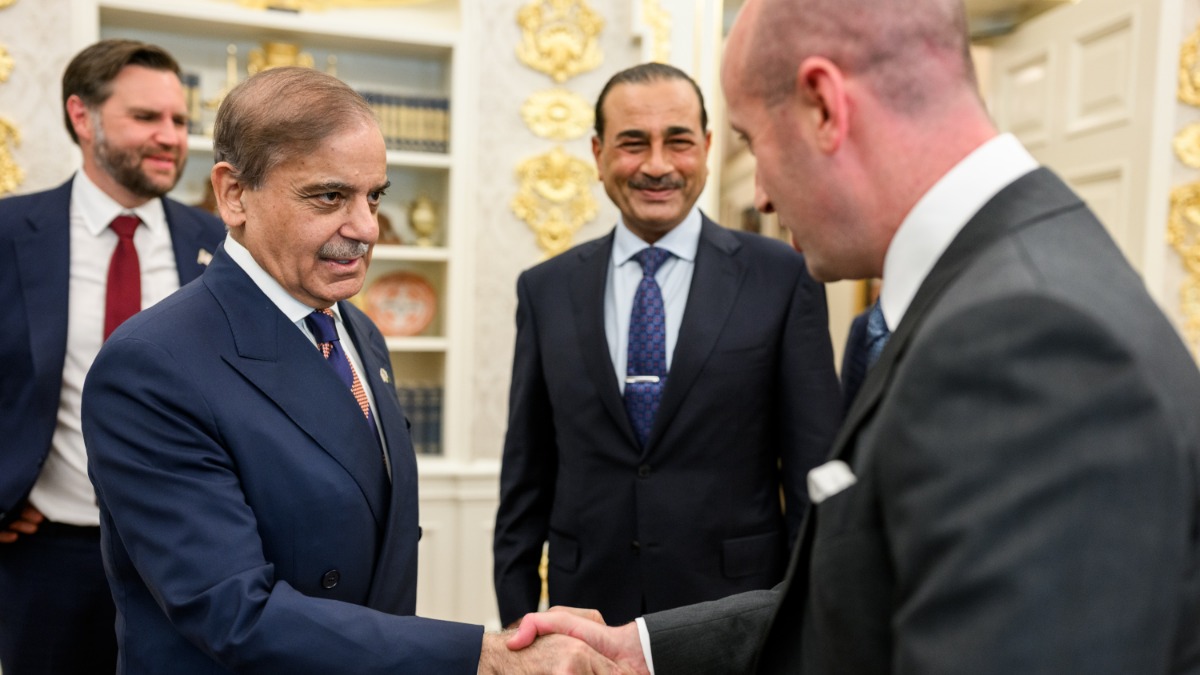
Pakistani Prime Minister Shehbaz Sharif, who helped mediate the talks, confirmed that Lebanon was indeed part of the agreement. President Trump was reportedly informed of this too, but later reversed his position after a call with Israeli Prime Minister Benjamin Netanyahu, adding more confusion to an already unstable situation.
Analysts who have been tracking Trump’s shifting foreign policy decisions say this kind of reversal fits a broader pattern in how the administration has handled the conflict with Iran. The mining issue itself is not entirely new. U.S. officials had already suggested last month that Iran was mining the strait.
Trump had initially played down the reports in March, writing on social media, “If Iran has put out any mines in the Hormuz Strait, and we have no reports of them doing so, we want them removed, IMMEDIATELY!” Now, the problem is not just removal; it is finding the mines in the first place.
The impact on shipping has already been severe. Before the war, an average of nearly 140 ships passed through the strait every day. Since the conflict began, only 15 vessels have managed to make the trip since Tuesday. Close to 800 ships are now stranded in the Gulf, many loaded with oil, gas, and other cargo, waiting for the situation to resolve.
Iran has also said it wants to impose new rules on ships using the strait, including charging a toll for safe passage. It has warned that ships without its permission may be “targeted and destroyed.” According to the BBC, Phillip Belcher of Intertanko, a group representing 190 independent tanker operators and over half of the world’s oil tanker fleet, has firmly opposed this.
He said paying tolls “directly contradicts international laws and the principle of free passage through international waterways,” and that “an attack could take place at any time.” Intertanko is still advising its members not to use the strait. This standoff is unfolding alongside other bold U.S. military moves in the region, including plans to expand American military bases abroad that have drawn significant attention from foreign policy analysts.
Belcher also noted the strait is currently “under the de facto rule of the Iranian military,” specifically the Iranian Revolutionary Guard Corps (IRGC), which has been designated a terrorist organization by both the U.S. and the EU. In his view, “the payment of monies to a terrorist organization should be avoided.”
Reports suggest Iran may demand transit fees as high as $2 million per ship, with proceeds shared between Iran and Oman. Trump initially floated the idea of a “joint venture” to levy fees, but later posted on Truth Social, “There are reports that Iran is charging fees to tankers going through the Hormuz Strait. They better not be and, if they are, they better stop now.”
Arsenio Dominguez, Secretary General of the IMO, also weighed in, saying “no toll restrictions should be imposed” on international straits, which “are actually for the use of everyone.” Erik Hanell, CEO of Swedish tanker firm Stena Bulk, said his company will not use the strait until it is 100% safe for crews and will not pay any tolls, comparing such fees to charging ships to use the English Channel.
U.S. Vice President JD Vance is scheduled to meet Iranian representatives in Islamabad on April 13 to work toward a ceasefire deal, as the longer this disruption continues, the greater the impact will be on global supplies of oil, gas, and fertilizer, driving up prices for fuel, electricity, food, and medicine worldwide.




Published: Apr 11, 2026 06:15 am