



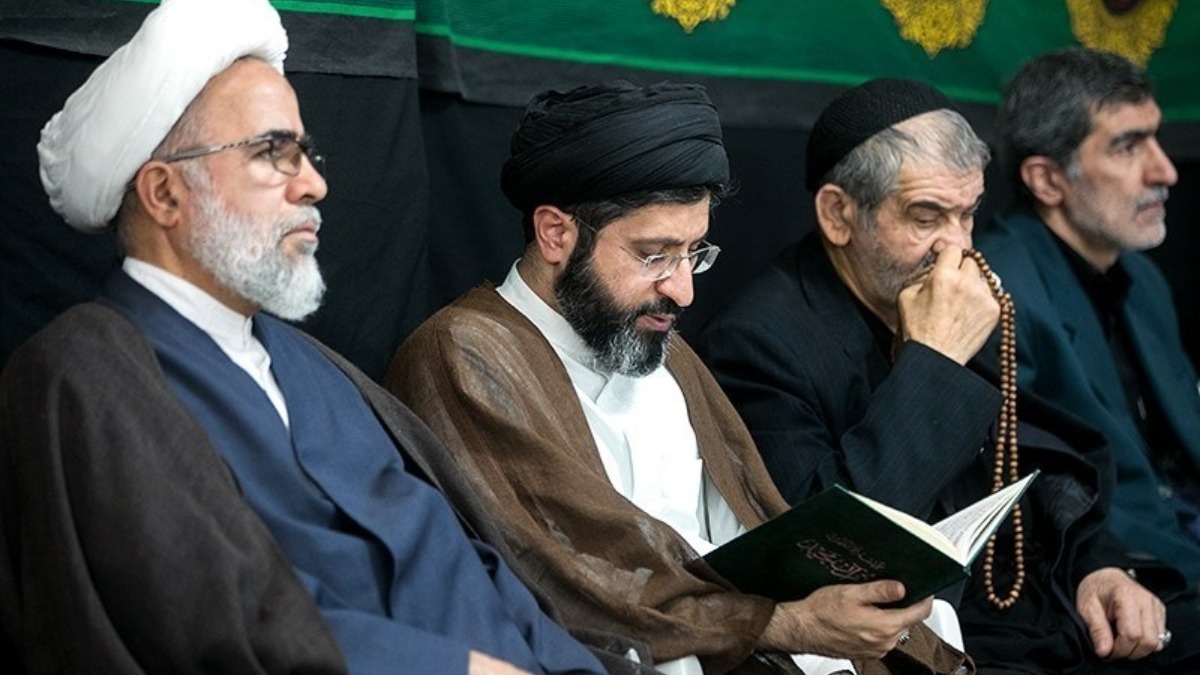

Iran’s new Supreme Leader, Ayatollah Mojtaba Khamenei, issued his first public statement Thursday, vowing to continue the war and signaling that the Strait of Hormuz could become a key pressure point in the escalating conflict. As reported by the Associated Press, the remarks come as the fighting continues to disrupt energy supplies and rattle financial markets.
Khamenei, who is believed to have close ties to Iran’s paramilitary Revolutionary Guard and is widely viewed as less conciliatory than his late father, warned that attacks on Iran’s Gulf Arab neighbors would continue. He also said he was maintaining what he described as a “file of revenge” after strikes that wounded him and killed members of his family.
He further called on Gulf Arab nations to shut down U.S. military bases in the region, dismissing Washington’s security guarantees as unreliable. He also hinted that Iran could open additional fronts where adversaries might be less prepared, though he did not say where those efforts might emerge.
Control of the Strait of Hormuz could reshape the conflict
The war, now in its 13th day, has pushed oil prices sharply higher and sent global markets lower. Brent crude climbed to around $100 per barrel as traders reacted to mounting risks around supply routes.
Iran’s ambassador to Tunisia, Mir Masoud Hosseinian, claimed Iranian naval forces had established full control over the Strait of Hormuz and carried out strikes in response to attacks on Iranian oil infrastructure. Roughly one fifth of the world’s traded oil moves through the narrow waterway linking the Persian Gulf to the Indian Ocean, making any disruption a major threat to global supply chains.
Iran has already targeted energy infrastructure and shipping routes as the conflict expands across the region. Oil tanker movements have slowed and refineries have been hit, while pressure has also spread into other sectors through Iran tech target threats.
President Donald Trump responded with a warning posted online Friday, while Israeli Prime Minister Benjamin Netanyahu said the strikes were creating conditions for the regime’s collapse. That claim came as U.S. intelligence assessments on Iranian control continued to cast doubt on broader expectations of rapid political change.
U.S. Central Command released footage showing airstrikes targeting Iranian aircraft, trucks, and naval vessels. American forces say they have struck more than 6,000 targets since the air campaign began, including dozens of vessels capable of laying naval mines.
The conflict’s physical damage continues to spread across several countries. In Tehran, workers cleared debris from buildings damaged in earlier strikes, while fresh air raids were reported near the capital early Friday.
Violence has also hit Iraq, where an attack on Basra port killed at least one person and forced authorities to halt operations at the country’s oil terminals. Fighting has also intensified in Lebanon, where Israeli warplanes struck targets near central Beirut after missiles were launched toward Israel by Hezbollah fighters.









Published: Mar 13, 2026 08:30 am