



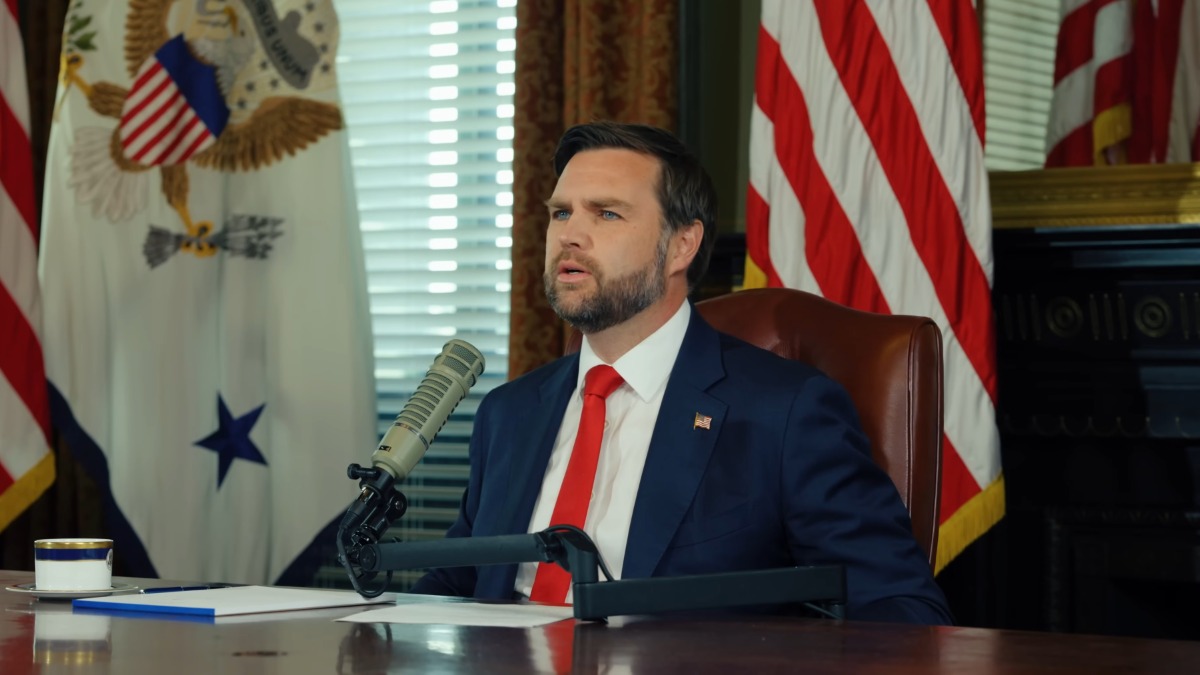

The electoral outlook for Hungarian Prime Minister Viktor Orbán has shifted downward following a recent visit and endorsement from United States Vice President JD Vance, as reported by Newsweek. Betting markets have recorded a decline in the probability of a victory for the incumbent leader as the nation approaches the parliamentary election scheduled for April 12.
While it is difficult to pin this specific fluctuation directly on the intervention of the Vice President, the movement in the numbers is noticeable as the political contest intensifies. According to data from the betting platform Polymarket, the likelihood of an Orbán win currently sits at 28 percent.
This represents a drop from the 35 percent probability recorded on April 5. Similarly, the betting site Kalshi has observed a decline in the Prime Minister’s standing. On April 5, Kalshi estimated his chances of victory at 33.3 percent, but that figure has since fallen to 30 percent as of five days later. These numbers arrive during a period of heightened competition, as the opposition Tisza party, led by Peter Magyar, continues to make significant strides in polling.
Vice President Vance traveled to Budapest to show his support for the Prime Minister, appearing at a campaign rally to deliver remarks
During a press conference in the capital city, Vance expressed his intent to assist the incumbent in his campaign efforts. While addressing the crowd, the Vice President focused his criticism on European Union institutions, telling the audience, “We want you to make a decision about your future with no outside forces pressuring you or telling you what to do. I’m not telling you exactly who to vote for but what I am telling you is that the bureaucrats in Brussels, those people should not be listened to.”
The connection between the current administration in Washington and the Hungarian government remains deep. President Trump, who maintains a long-standing personal relationship with the Prime Minister, participated in the rally via a phone call placed by the Vice President.
During this call from Washington, President Trump spoke to the attendees, stating, “I love Hungary, and I love Viktor. I’m telling you he’s a fantastic man. I’m a big fan of Viktor. I’m with him all the way.” Earlier this month, the president also publicly described the Hungarian leader as a “true friend, fighter, and WINNER” while offering his support for the spring election.
The relationship between President Trump and the Hungarian leader dates back to 2016, when the Prime Minister became the only leader within the European Union to endorse the president during his initial campaign. The Prime Minister also provided strong backing for the president during the 2024 election cycle.
Last October, the two leaders held discussions in Washington regarding exemptions for Hungary from United States sanctions concerning Russian oil entities. President Trump later indicated that the arrangement was a personal agreement between himself and the Prime Minister, suggesting that any future leadership in Hungary would need to navigate the terms of that deal from the beginning.
The stakes of the upcoming election are high, as the ruling Fidesz party has maintained power for 16 years. Zsuzsanna Szelényi, the director of the Democracy Institute Leadership Academy, has noted that the current election cycle feels distinct from the previous four due to a general sense of fatigue regarding the long-term government. While some earlier opinion polls from March placed the opposition Tisza party in the lead, other recent data from the Nezopont Institute suggests that the Fidesz coalition still holds a 6 percent lead.
The campaign has also seen controversy regarding energy security. The government recently pointed to an incident involving explosives near the TurkStream gas pipeline as a potential terror attack, a claim that was rejected by Ukraine. Opposition leader Péter Magyar and former intelligence sources have suggested that the government may have staged the event to influence voter sentiment.
Despite these challenges, the Prime Minister continues to prioritize his resistance to European Union demands regarding energy dependence, as Hungary remains heavily reliant on Russian gas and oil. Should the incumbent lose this election, the geopolitical ripple effects would likely impact the relationship between Washington and Budapest, potentially testing the reach and influence of the current administration on the global stage.
Secretary of State Marco Rubio also visited Budapest in February to reinforce the message that the president remains committed to the success of the current Hungarian leadership. As the April 12 date approaches, the outcome remains a critical point of interest for both local observers and international observers in Washington.





Published: Apr 9, 2026 05:30 pm