



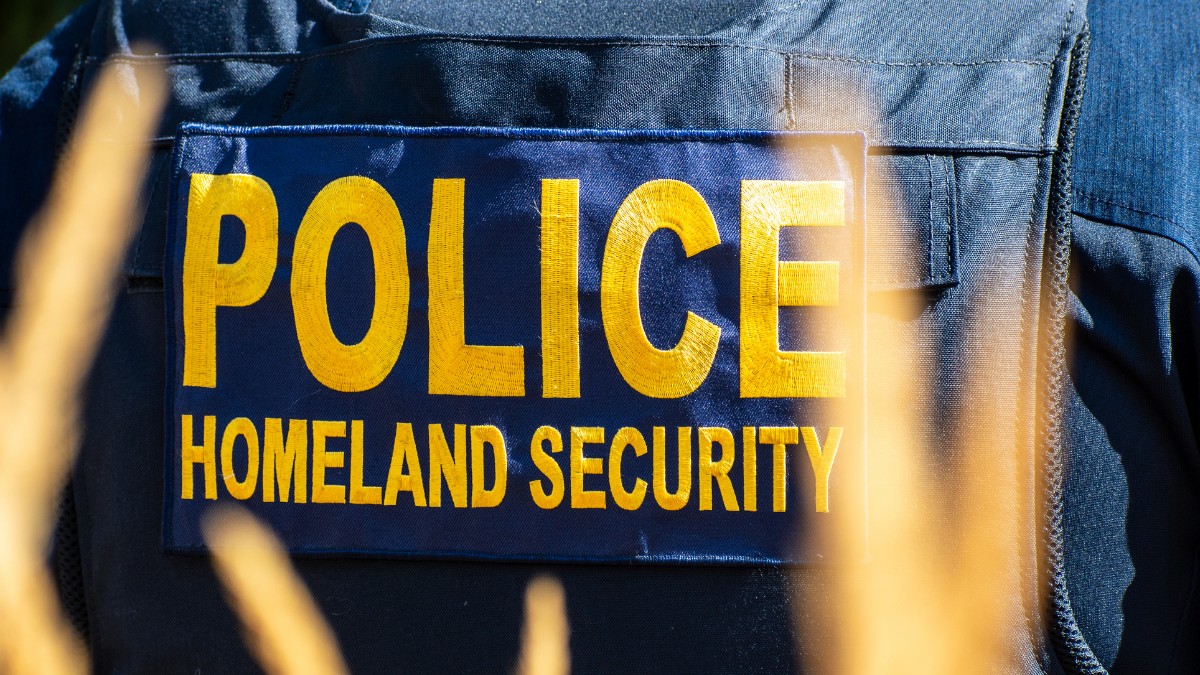

Immigration officers operating in Minneapolis will begin wearing body cameras immediately, marking a significant shift in federal enforcement policy. As first highlighted by Politico, the Trump administration agreed to the change following sustained pressure from congressional Democrats and several moderate Republicans calling for greater accountability from federal agents.
Homeland Security Secretary Kristi Noem confirmed the move on social media, saying her department would immediately deploy body cameras to all Immigration and Customs Enforcement and Customs and Border Protection officers working in the Twin Cities. She described the rollout as a transparency measure as the administration continues stepped-up enforcement operations in the region.
The decision represents one of the first major concessions in a broader standoff between the administration and lawmakers over immigration enforcement and Department of Homeland Security funding. Tensions escalated after a partial government shutdown triggered by negotiations over enforcement limits and oversight requirements.
The body camera push became a flashpoint in the funding fight
The funding dispute intensified after immigration agents shot and killed two U.S. citizens during operations in Minneapolis, prompting sharp criticism from lawmakers, and a recent report about a CNN correspondent hit with tear gas underscored broader concerns over enforcement tactics. Opponents of the administration argued that the incidents highlighted a lack of oversight and accountability, making body cameras a central demand in negotiations.
The proposal gained bipartisan traction on Capitol Hill, with several moderate Republicans backing a camera requirement even as they opposed Democratic proposals involving specialized training or changes to qualified immunity for ICE officers, much like the surprising political push seen in various other national news discussions about presidential claims involving foreign policy. The narrow consensus around body cameras stood out amid broader disagreements over immigration enforcement policy.
President Trump addressed the decision earlier in the week, calling body cameras “80 percent good for law enforcement” while emphasizing that the final call rested with Noem. He also urged an end to the government shutdown, saying he and House Speaker Mike Johnson would work together to resolve the dispute and avoid another prolonged funding lapse.
Although the Minneapolis deployment is already underway, Noem said the initiative is intended to expand beyond the city. She stated that as funding allows, DHS plans to rapidly acquire and roll out body cameras to federal law enforcement officers nationwide.





Published: Feb 2, 2026 08:15 pm