



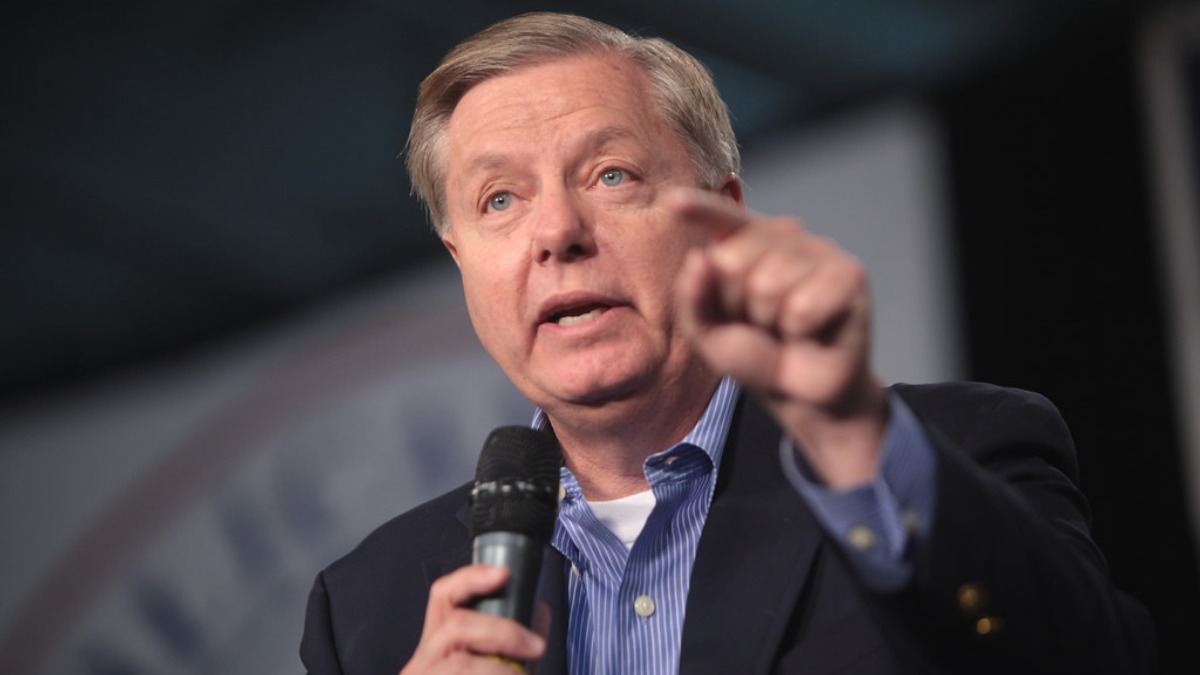

Senator Lindsey Graham (R-S.C.) suggested that President Trump should “take” Kharg Island to cripple the Iranian regime’s economy, even while stating there’s no reason to invade Tehran, as reported by The Hill. Graham’s comments come as tensions remain high in the critical Strait of Hormuz, a vital global oil passage.
“No, we’re not going to evade Iran,” Graham said. He made it clear that the goal isn’t a full-scale invasion. Instead, he emphasized a strategy focused on destroying Iran’s ability to “hurt us, have a nuclear weapon, build missiles to hit America and terrorize the region.” This approach aims to neutralize threats without committing to a costly ground conflict.
Graham pinpointed Kharg Island as the key to this strategy. He explained that “90 percent of their income comes from oil and gas revenue,” and a staggering “100 percent of that revenue generating capabilities on a single island.” His message to the president was direct: “take Kharg Island, this war is over.”
Kharg Island itself is a major hub for Iran’s oil exports
It sits approximately 16 miles off the coast of Iran and about 300 miles from the Strait of Hormuz. Its strategic importance for Iran’s economy is undeniable, making it a tempting target for those looking to apply maximum pressure.
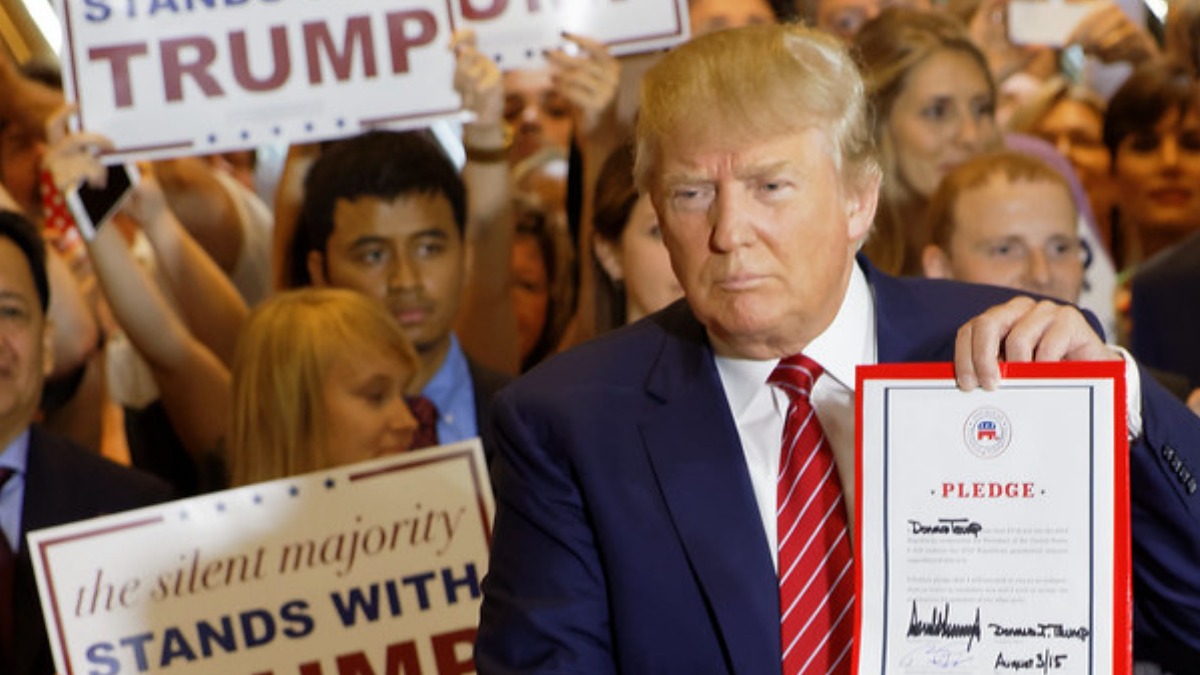
This suggestion from Senator Graham offers a striking contrast to President Trump’s actions just last week. The president had previously bombarded the island, telling reporters he “obliterated” every military target there. However, Trump made a point of avoiding Iran’s crucial oil infrastructure, citing “reasons of decency.”
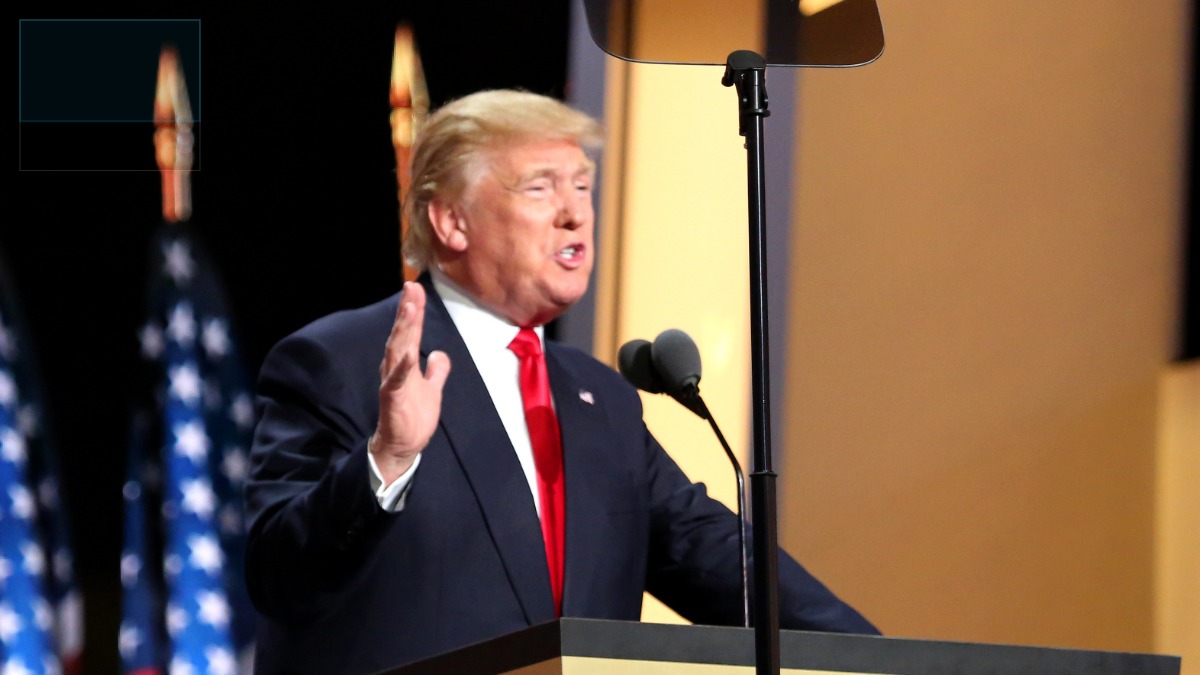
President Trump also issued a stern warning in a post on Truth Social. He wrote, “However, should Iran, or anyone else, do anything to interfere with the Free and Safe Passage of Ships through the Strait of Hormuz, I will immediately reconsider this decision.”
Iran’s top leaders have indeed largely shut off the waterway, halting oil transports by threatening to shoot down any vessels attempting to pass through. This is a huge deal for global energy markets. The Strait of Hormuz is the single sea passage from the Persian Gulf to the Indian Ocean, and it’s responsible for a fifth of the world’s daily oil transports. Any disruption there sends shockwaves across the globe.
Naturally, these geopolitical tensions are reflected in oil prices. As of Wednesday morning, Brent Crude was sitting at approximately $105 per barrel, while WTI Crude was punching in at $96 per barrel, according to Bloomberg. President Trump has also been putting pressure on NATO allies, urging them to help the U.S. police the strait as oil and gas prices continue to fluctuate.



Published: Mar 18, 2026 02:15 pm