



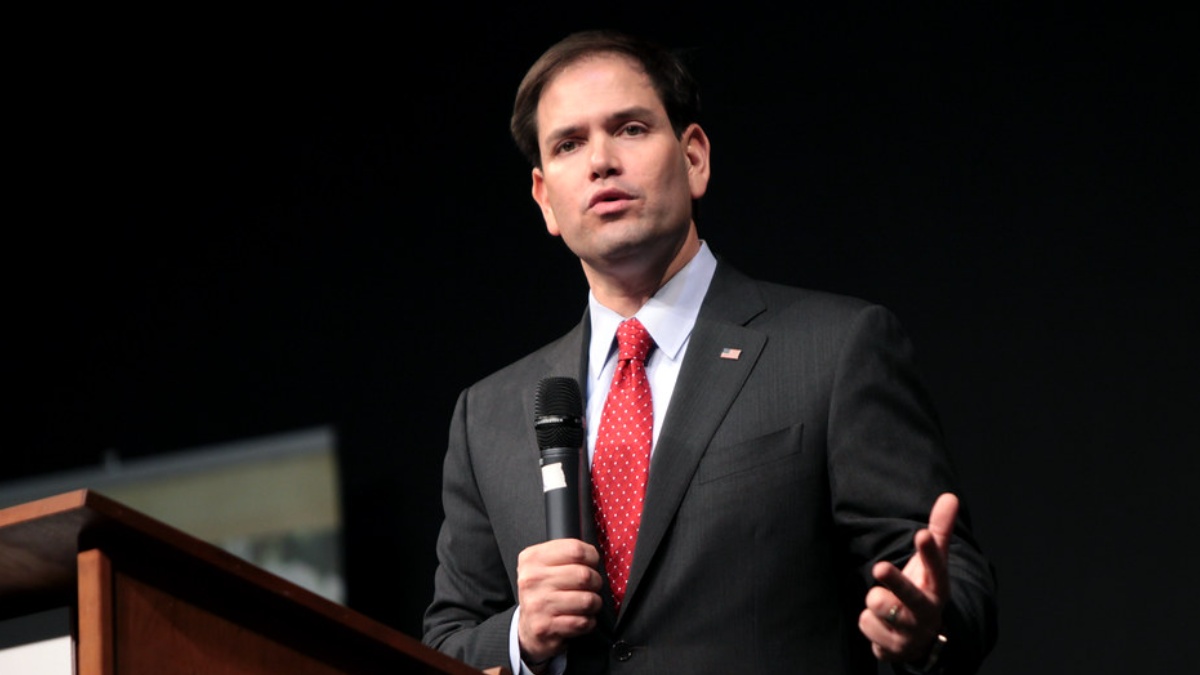

Secretary of State Marco Rubio said President Trump ordered preemptive strikes on Iran because Israel was on the verge of launching its own attack. As highlighted by The Guardian, Rubio argued the move was meant to prevent Iranian retaliation against American forces, which officials believed would have followed if Israel struck first.
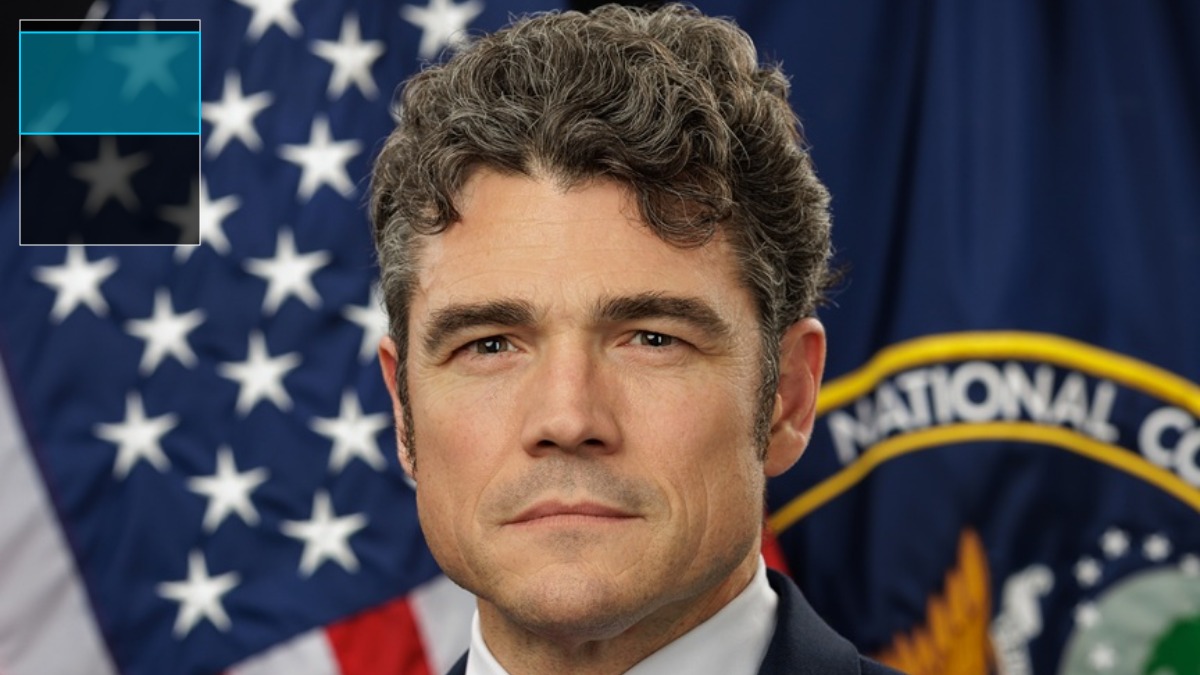
Rubio outlined the rationale after a closed-door briefing with lawmakers at the Capitol. He was joined by CIA Director John Ratcliffe and Joint Chiefs of Staff Chair Dan Caine for the administration’s first formal briefing since the air campaign began.
He said it was “abundantly clear” Iran would respond against the United States if attacked by anyone, including Israel. Rubio added that officials believed an Israeli strike would “precipitate an attack against American forces,” potentially resulting in higher casualties if the US did not act first.
Lawmakers clash over the administration’s justification for war
Since the conflict began, US and Israeli forces have conducted airstrikes across Iran, while Tehran has launched drone and missile attacks against US-aligned nations in the Middle East. The fighting has led to the deaths of senior Iranian military and political figures, including supreme leader Ayatollah Ali Khamenei.
The US military has reported six American service members killed, and the Iranian Red Crescent Society has said more than 500 people have died in Iran. The administration’s explanation for entering the war has sharply divided Congress along party lines.
Senate Democratic Minority Leader Chuck Schumer labeled the conflict “Trump’s war” and a “war of choice,” saying the president has “no strategy” and “no endgame.” After the classified session, he said the briefing was “completely and totally insufficient,” as imminent threat briefing doubts continued to surface.
Senator Mark Warner, vice-chair of the Senate intelligence committee, said there was “no imminent threat to the United States of America by the Iranians,” arguing the threat was directed at Israel. He warned that equating a threat to Israel with an imminent threat to the US placed the country in “uncharted territory.”
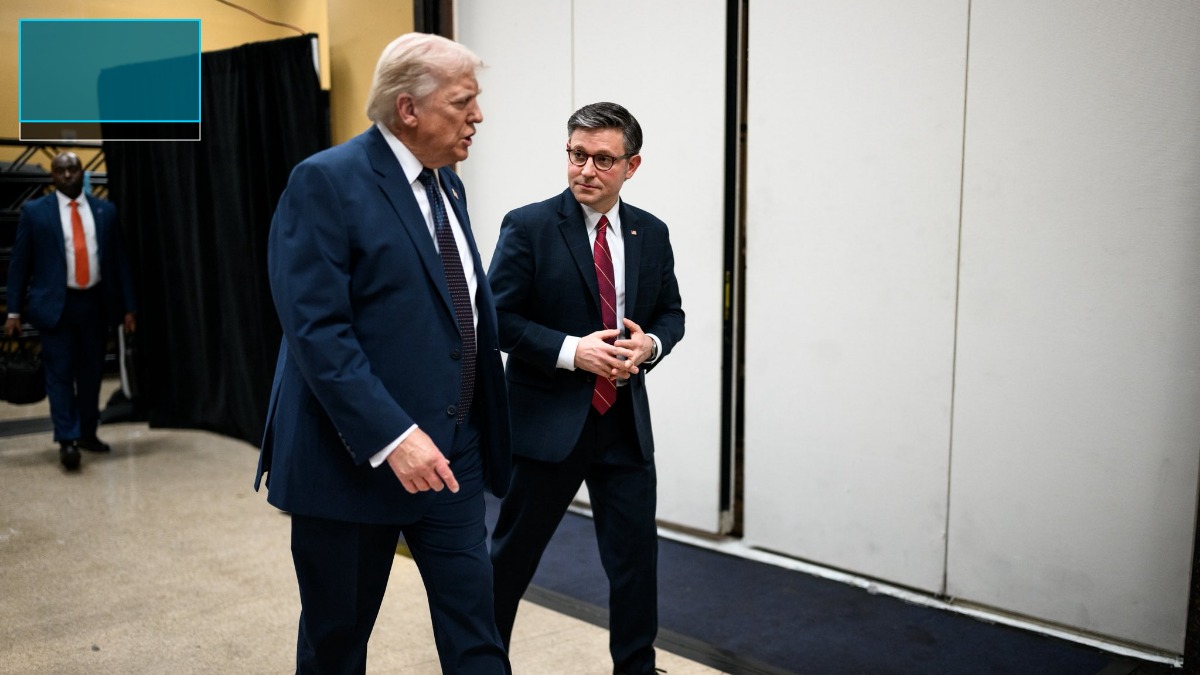
House Speaker Mike Johnson defended the strikes as a “defensive operation,” saying Israel would have acted regardless of US involvement. While stating the objective was not regime change, he called the Ayatollah’s death a positive development.
President Trump has outlined several goals, including destroying Iran’s ballistic missile capabilities and navy, preventing nuclear weapon development, and cutting off support for proxy forces. Rubio referenced only the destruction of Iran’s ballistic missile capability and navy, as no plan after strikes remained a point of concern among lawmakers.
Trump ordered the strikes without seeking prior congressional authorization, though Rubio said the Gang of Eight was notified. The House is expected to vote on a war powers resolution that would compel the president to end hostilities if passed, but Republicans control both chambers and Johnson said he does not expect the measure to succeed.




Published: Mar 2, 2026 09:00 pm