



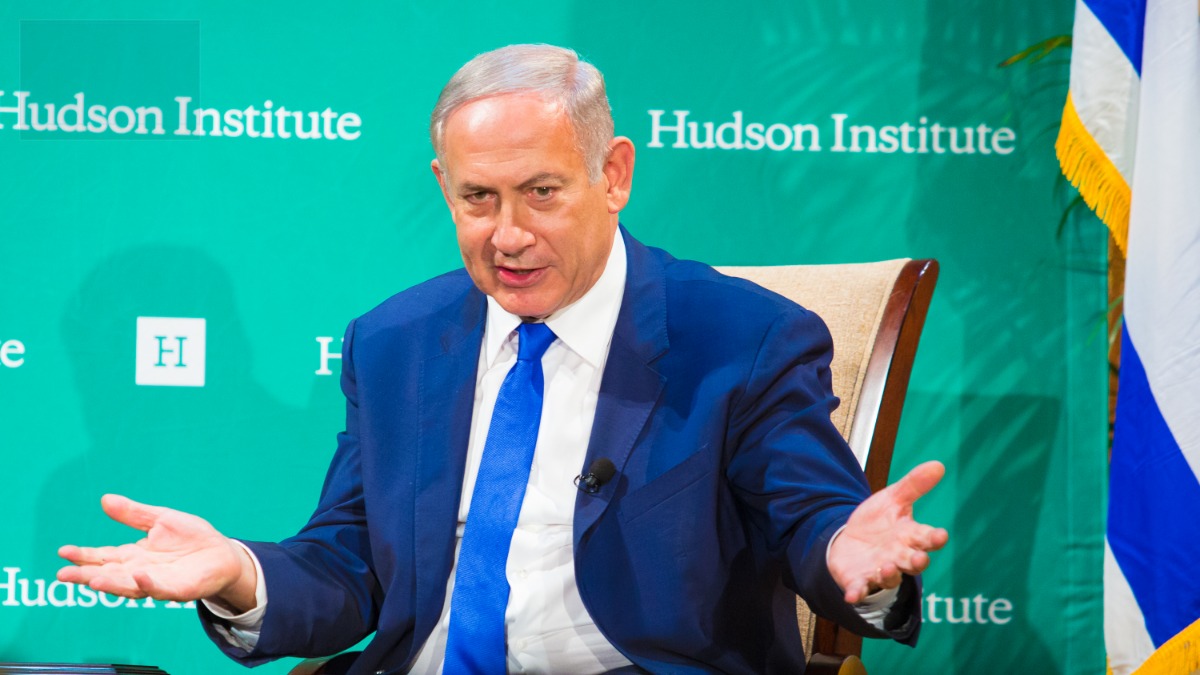

Israeli Prime Minister Benjamin Netanyahu has ordered the military to further expand its operations in southern Lebanon, citing ongoing rocket fire from Hezbollah, as reported by Reuters. This move comes as Israel is already working to enlarge a “buffer zone” in the region. It isn’t immediately clear if Netanyahu’s new directive refers to this existing buffer zone or if he’s signaling the seizure of even more territory.
Netanyahu made the announcement in a video statement from the Israeli Northern Command. He explicitly stated, “I have now instructed to further expand the existing security zone in order to finally thwart the threat of invasion and to push the anti-tank missile fire away from our border.” His office, however, hasn’t offered any further details on what this expansion entails. Interestingly, the matter hasn’t even been discussed by the security cabinet yet.
Just last week, Defence Minister Israel Katz had mentioned that Israeli forces would “control the remaining bridges and the security zone up to the Litani.” The Litani River meets the Mediterranean Sea about 30 kilometers (20 miles) north of Israel’s border.
This ongoing tension really highlights the volatile situation on Israel’s northern frontier
The current conflict escalated after Iran-backed Hezbollah started firing rockets into Israel. This initial volley came after the United States and Israel launched air strikes on Iran. Sources familiar with Hezbollah’s internal count report that more than 400 of their fighters have been killed since the Lebanese armed group launched its initial attacks on March 2.
On the other side, the Lebanese health ministry indicates that Israeli strikes and ground operations have resulted in the deaths of over 1,100 people in Lebanon. This number includes children, women, and medical personnel, though the ministry doesn’t differentiate between civilians and combatants in its overall count. The Israeli military has also reported losses, with four of its soldiers killed in the fighting in southern Lebanon.
Netanyahu emphasized that this decision is all about strengthening Israel’s security position along its northern border. He claimed that Israel has “eliminated thousands of Hezbollah terrorists” and, crucially, “eliminated the immense threat of 150,000 missiles and rockets that were intended to destroy the cities of Israel.” However, he also acknowledged that Hezbollah “still has a residual capability to launch rockets at us.”
The president also mentioned that Israel is conducting a multi-front campaign against Iran and its allied groups, which include Hezbollah and the Palestinian militant group Hamas in Gaza. He believes that Israel’s actions are actively weakening Iran’s regional influence.





Published: Mar 30, 2026 02:15 pm