



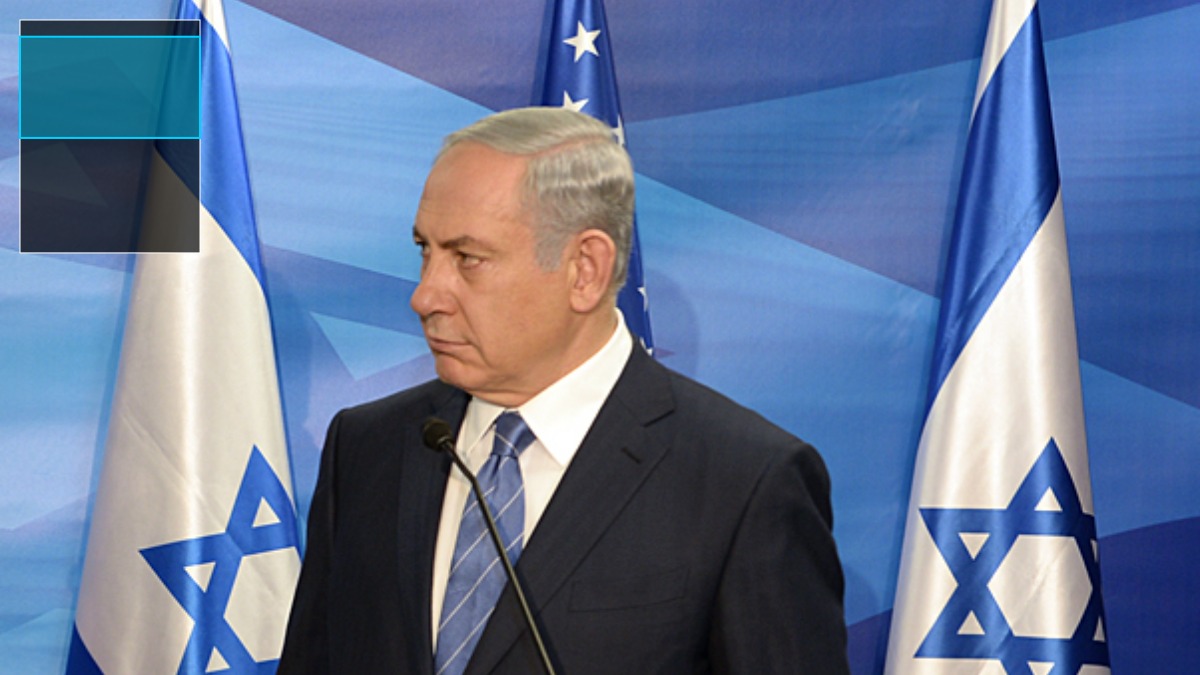

Israeli Prime Minister Benjamin Netanyahu announced that he has instructed his Cabinet to enter into direct negotiations with the Lebanese government, as reported by The Hill. This move comes as the Israeli military continues its strikes against Hezbollah targets in Lebanon, a situation that has severely tested the fragile two-week ceasefire between the U.S. and Iran.
Netanyahu made it clear that these negotiations are a response to persistent requests from Lebanon. “In light of repeated requests from Lebanon to open direct negotiations with Israel, I instructed the cabinet yesterday to begin direct negotiations with Lebanon as soon as possible,” Netanyahu stated. He added that the talks will primarily focus on disarming Hezbollah and establishing peace between the two nations.
The Israel Defense Forces (IDF) resumed its strikes on Lebanon on March 2, just two days after the U.S. and Israel had launched their own strikes against Iran. These strikes have had a devastating impact on the ground. According to the General Directorate of the Lebanese Civil Defense, at least 254 people were killed, and at least 1,165 were injured by these strikes. Heba Morayef, the regional director for the Middle East and North Africa at Amnesty International, noted that Wednesday marked the deadliest day in Lebanon since Israel restarted its operations last month.
The Lebanese government is not taking these actions lightly
Lebanese Prime Minister Nawaf Salam announced that his government plans to file a formal complaint with the United Nations Security Council regarding the Israeli strikes. Salam and his Cabinet have also taken steps to bolster security within Beirut, ordering the Lebanese army and security forces to strengthen protections around the capital. This is a serious concern, especially since Beirut saw at least 92 people killed and at least 742 wounded on Wednesday due to Israeli strikes, as reported by the General Directorate of the Lebanese Civil Defense.
In a significant move, Salam also stated that army and security forces will work to confine arms within Beirut to what he called “legitimate forces,” which is a clear reference to efforts to crack down on Hezbollah. President Netanyahu, for his part, expressed his appreciation for this specific action, acknowledging the importance of limiting the spread of weapons in the capital.
Meanwhile, the ceasefire brokered between the U.S. and Iran has been under considerable strain from its very first full day. Iranian President Masoud Pezeshkian took to X to voice his concerns, calling Israel’s “repeated aggression” against Lebanon a “flagrant violation” of the recently agreed-upon truce. He wrote, “The continuation of these aggressions will render negotiations meaningless; our hands will remain on the trigger, and Iran will never abandon its Lebanese brothers and sisters.”
The core of the issue seems to stem from a fundamental disagreement over the scope of the ceasefire. Shortly after President Trump announced the ceasefire, Netanyahu’s office posted online that the pause did not extend to Lebanon. Vice President Vance echoed these sentiments, telling reporters in Hungary that the Trump administration “never indicated” that the truce applied to Israeli operations in Lebanon. Vance described the situation as a “legitimate misunderstanding.” He explained, “I think the Iranians thought that the ceasefire included Lebanon and it just didn’t. We never made that promise.”
This differing interpretation has clearly created a major hurdle. Pakistan, which mediated the negotiations, had reportedly stated that Lebanon was included in the ceasefire, but both Israel and the U.S. have maintained their position that it was not a part of the agreement. President Trump himself referred to Lebanon as a “separate skirmish” during an interview, further solidifying the U.S. stance.
Adding to the complexity, reports surfaced on Wednesday that Iranian state media claimed Tehran had closed the Strait of Hormuz, a vital shipping lane, in response to the Israeli military’s intensive attacks targeting Hezbollah. However, White House press secretary Karoline Leavitt quickly dismissed these reports during her press briefing, accusing Iran of lying. “That is completely unacceptable,” Leavitt stated when asked about the reports.
She emphasized the discrepancy between public statements and private actions, adding, “We have seen an uptick in traffic in the strait today, and I will reiterate the president’s expectation and demand that the Strait of Hormuz is reopened immediately, quickly, and safely.” Leavitt firmly concluded that “These reports publicly are false.”






Published: Apr 9, 2026 05:00 pm