



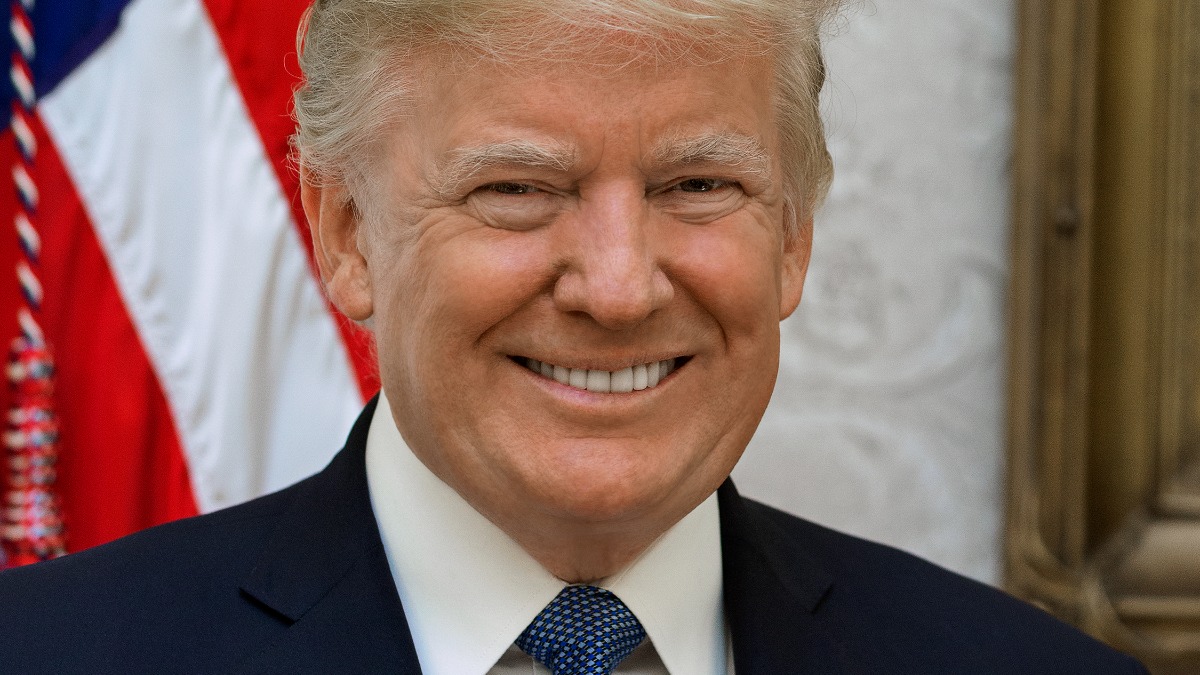

Oil prices jumped to $114 a barrel after a series of attacks hit Iranian oil infrastructure. The United States has publicly blamed Israel for these strikes, even as Energy Secretary Chris Wright says gas prices at home will drop below $3 a gallon “before too long.”
Wright has said the Trump administration is “all in on lowering energy prices” and has been largely successful. He pointed out that current gas prices are still $1.50 a gallon cheaper than they were during the Biden administration. The national average is currently $3.45 a gallon, according to the American Automobile Association, a slight rise from just under $3 before “Operation Epic Fury” began about a week ago.
Wright predicts the current rise in prices is just a “weekslong phenomenon, not a months’ thing.” According to the New York Post, he was also clear that the US has “no plans to target Iran’s oil industry, their natural gas industry, or anything about their energy industry.” He said these were “Israeli strikes,” specifically targeting “local fuel depots to fill up the gas tank in this neighborhood in Tehran.”
The Strait of Hormuz disruption is the real driver behind the oil price spike
The attacks on Iran were significant. Israel struck various fuel sites in Tehran late Saturday, with large fires reported near Azadi Tower, not far from Mehrabad International Airport. You can read more about how Israel destroyed IRGC fuel depots across two provinces and how Iran’s counter-strike expanded the conflict. The Israel Defense Forces took credit, saying the strike was aimed at undermining “the military infrastructure of the Iranian terror regime.”
Wright supported the broader military campaign, calling it a way to resolve a long-standing foreign policy problem. He said it is “simply unacceptable” for the US, the Middle East, and the world economy to tolerate “a terrorist regime with nuclear weapons and a gigantic missile arsenal.” He also claimed Iran’s actions have “raised energy prices for Americans for decades.”
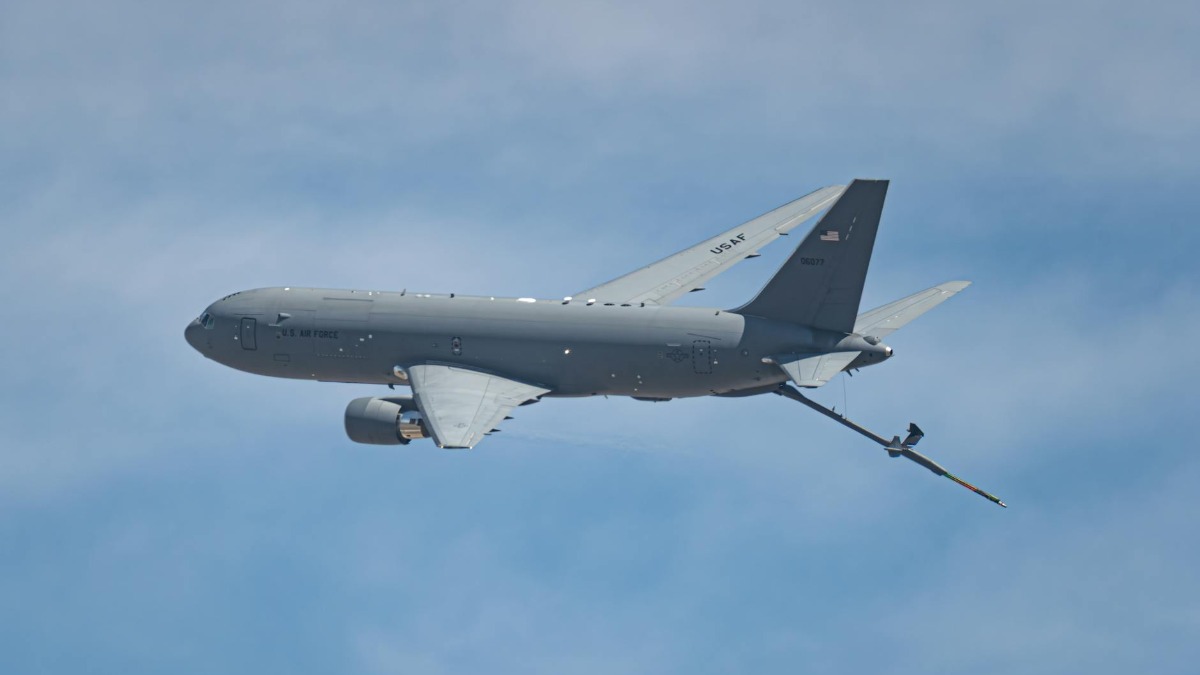
A major reason oil prices have climbed so fast is because travel through the Strait of Hormuz has been disrupted. This strait, off the southern coast of Iran, carries about one-fifth of the world’s oil every year. Iran has effectively shut down this critical oil chokepoint, though some tankers are still making their way through. The US Navy has announced plans to escort oil tankers through the strait amid concerns that Iran could increase retaliatory activity there.
Despite the disruption, Wright remains confident. He said a “more regular resumption of ship traffic through the Straits of Hormuz” will happen “before too long.” He also shared updates on the military situation, saying Iran’s missile launches have dropped by nearly 90% and its ability to fire drones has fallen by around 80% since “Operation Epic Fury” began.
Wright’s overall view is that the administration is on track to stabilize the situation and bring gas prices back down. Whether that plays out remains to be seen, but the administration appears confident the current oil price spike will be short-lived.





Published: Mar 9, 2026 01:45 pm