





Oil prices plunged by nearly 15% and global stock markets soared after President Trump announced a conditional two-week ceasefire with Iran on Tuesday night. The announcement came just over an hour before a deadline for threatened U.S. attacks on Iran was set to pass. As first highlighted by The Guardian, it marked the biggest single-day crash for oil markets since 1991. Iran’s national security council quickly confirmed its acceptance, agreeing to halt attacks and reopen the Strait of Hormuz for two weeks under the management of its military.
Brent crude, the international benchmark, dropped 14.4% to settle at $93.48 a barrel, while U.S. crude futures fell 14.7% to $96.27 a barrel. Earlier on Tuesday, oil had been trading as high as $117 a barrel, making the overnight move particularly dramatic. Prices still remain well above where they were at the start of the conflict, which has been ongoing for more than five weeks since the U.S. and Israel struck Iran at the end of February.
Financial markets embraced the news broadly. U.S. stock futures soared, with S&P 500 futures rising more than 2.5%, Dow futures spiking 1,000 points, and Nasdaq 100 futures jumping nearly 3%. Futures tracking the Russell 2000 index also rose 2.8%. In Asia, Japan’s Nikkei 225 gained 5%, Australia’s S&P/ASX 200 jumped 2.6%, and South Korea’s Kospi soared 5.9%. Hong Kong’s Hang Seng surged 2.6% and the Shanghai Composite added 1.7%.
The ceasefire is two weeks long, and markets know it
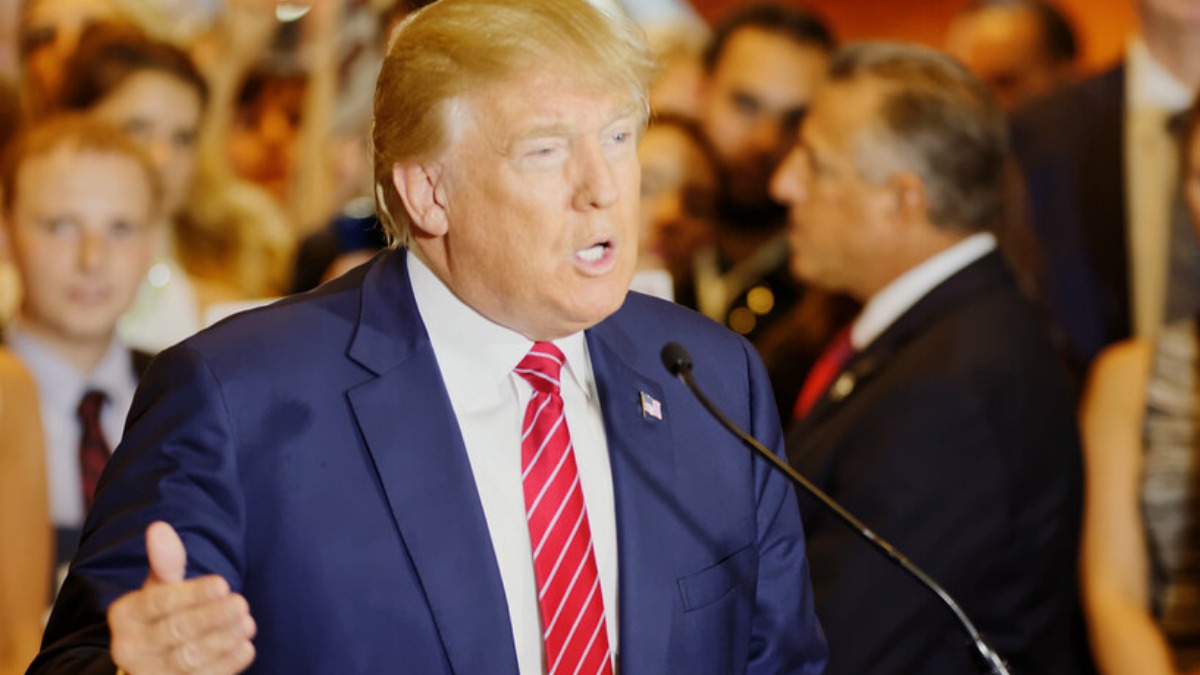
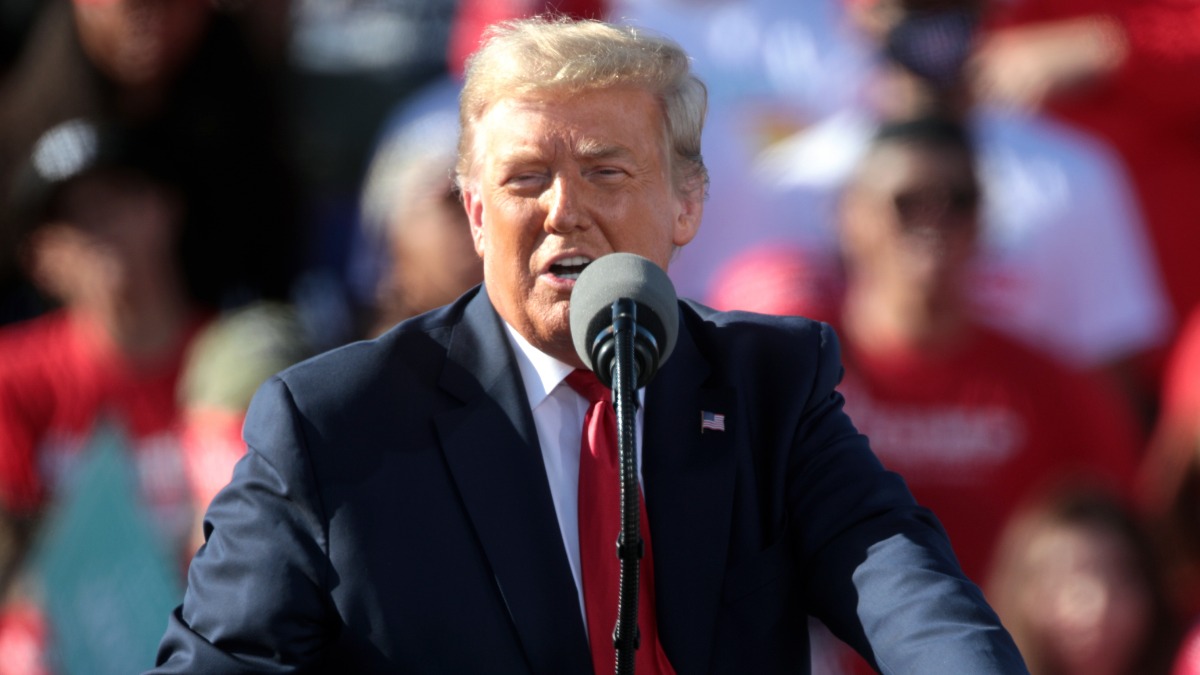
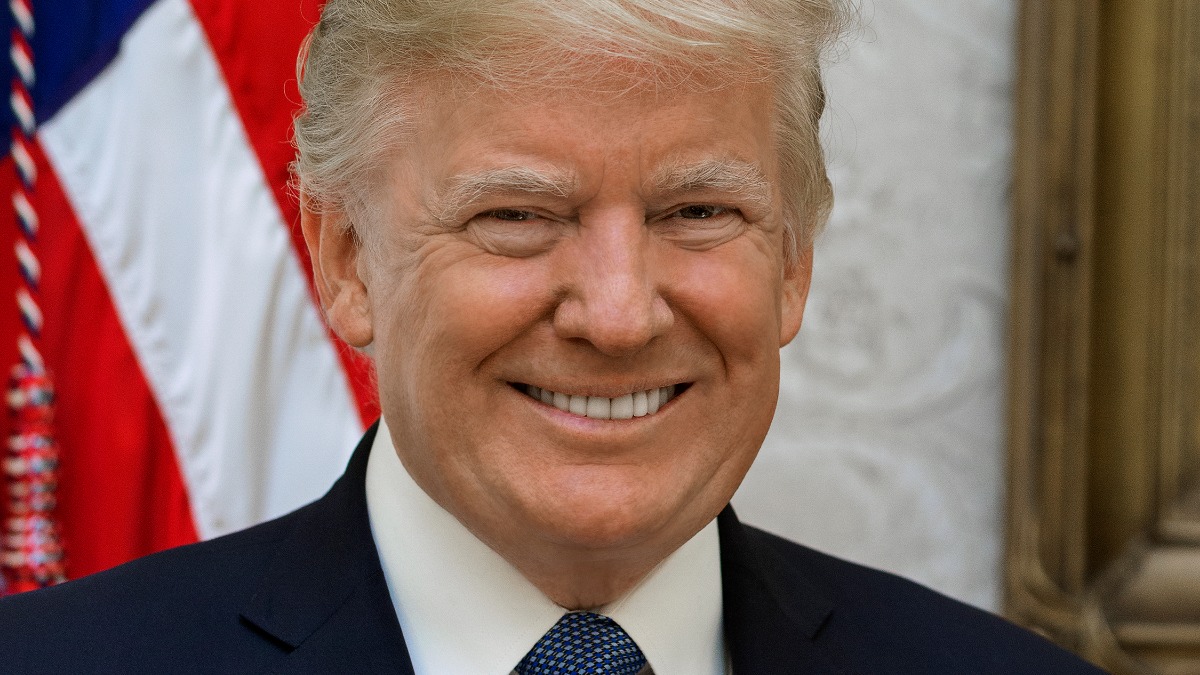
President Trump announced the agreement on social media, describing it as a “double sided ceasefire” subject to Iran agreeing to the complete, immediate, and safe opening of the Strait of Hormuz. Pakistan played a key intermediary role, with its prime minister urging Trump to extend his deadline and asking Iran to open the strait for the same period.
Iran’s foreign minister confirmed on X that safe passage through the Strait would be possible for two weeks, via coordination with Iran’s armed forces. Israel also agreed to abide by the ceasefire, according to a White House official. Trump’s framing of the agreement as a U.S. win drew immediate pushback, with questions over whether he was actually claiming credit for a deal his own side did not initiate.
The bond market also moved on the news. The yield on the 10-year Treasury fell to 4.24% from 4.30% earlier Tuesday. Gold rose more than 2% to $4,812 per ounce, silver climbed 4.6%, bitcoin advanced 2.9% to $71,327, and ether climbed 5.6% to $2,234.
The Strait of Hormuz had been effectively closed since the beginning of March, as tankers hesitated to enter the narrow waterway close to the Iranian coast amid threats of drones and projectiles. The strait carries about a fifth of global oil and liquefied natural gas daily. Its closure has been the primary driver of the surge in global energy prices over the past five weeks, pushing the average U.S. retail price of gasoline to $4.14 a gallon on Tuesday, with diesel at $5.64 a gallon, nearing its all-time high of $5.82 set in 2022.
Prices for natural gas, wholesale gasoline, and heating oil also traded sharply lower following the ceasefire announcement. The Trump administration has insisted that U.S. gas prices will fall quickly once the Strait reopens, and the initial market reaction aligned with that outlook. Whether prices actually decline at the pump will depend on how quickly tanker traffic normalizes and whether insurers restore coverage for ships transiting the route.
Analysts urged caution. Saul Kavonic, head of energy research at MST Financial, described the two-week pause as an off-ramp for Trump’s ultimatum but not yet an off-ramp for oil markets or the war. He told Reuters that shut-in oil and LNG production is unlikely to resume until there is more confidence in a lasting ceasefire, and that any tankers released through the Strait would relieve storage pressure rather than add new production to the market.
Charu Chanana, chief investment strategist at Saxo, said the pivotal test would be whether insurers and tanker operators regain enough confidence for traffic through the Strait to normalize. Prashant Newnaha, a senior strategist at TD Securities, noted that markets are treating the ceasefire as the real deal, but cautioned that oil prices are not expected to return to pre-war levels, with inflation persistence set to remain a key concern.
The precise terms of how the ceasefire would be implemented drew scrutiny of their own, with both Washington and Tehran offering conflicting accounts of what the agreement actually required of each side. The specifics of how the Strait will be managed beyond the initial two-week period remain unresolved, and a renewed escalation has not been ruled out by any party involved in the negotiations.





Published: Apr 8, 2026 06:00 am