



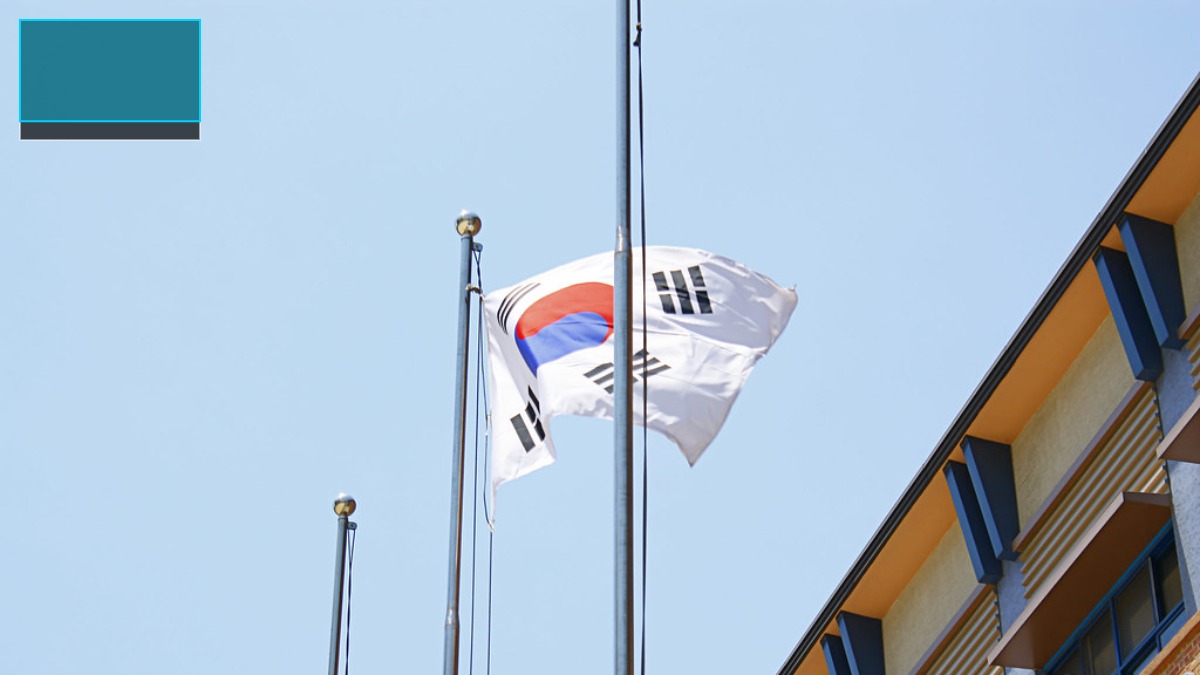

South Korea has imposed a fuel price cap for the first time in nearly 30 years as officials move to limit the impact of rising energy costs on consumers. As reported by CNN, the measure took effect at midnight on Friday.
The Ministry of Trade, Industry and Energy set the maximum wholesale price for regular gasoline at 1,724 KRW per litre, or about $1.17. Diesel was capped at 1,713 KRW per litre, around $1.15, while kerosene was set at 1,320 KRW per litre, about $0.89.
The caps apply to the wholesale prices refiners charge gas stations rather than the pump price paid by drivers. The ministry also said island regions would have slightly higher limits because of maritime transport costs, and that the caps will be recalculated every two weeks based on changes in the international oil market.
The underlying pressure is coming from the Middle East
President Lee Jae Myung urged the public to report any gas stations suspected of price gouging. The move came as South Korea tried to contain the domestic impact of a sharp rise in global energy prices.
The increase has been tied to widening conflict in the Middle East and disruption in the Strait of Hormuz, a key shipping route for oil. Brent crude, the global benchmark, rose 9% to just above $100 a barrel on Thursday, amid the Iran war cost surge.
Officials made clear that the price controls are aimed at cushioning consumers from wholesale volatility rather than freezing retail prices outright. That distinction matters because pump prices can still shift based on local costs and distribution, especially in outlying areas.
South Korea also said on Thursday that it would release 22.46 million barrels of oil from its strategic reserves. The move is part of a broader agreement among International Energy Agency members to make a total of 400 million barrels available to the market.
The reserve release shows that Seoul is not treating the fuel cap as a stand-alone response. It is pairing domestic price controls with emergency supply measures as governments across the region react to the wider fallout, including Iran cyber threats.
The ministry said the wholesale caps will continue to be reviewed every two weeks in line with the international oil market. For now, the policy reflects how quickly conflict abroad is driving economic decisions at home.

Published: Mar 13, 2026 08:00 am