





Stephen Colbert is at odds with CBS after he claimed the network stopped him from airing an interview with Texas Senate candidate James Talarico on “The Late Show.” Colbert said his team was “told in no uncertain terms by our network’s lawyers, who called us directly, that we could not have him on the broadcast.”
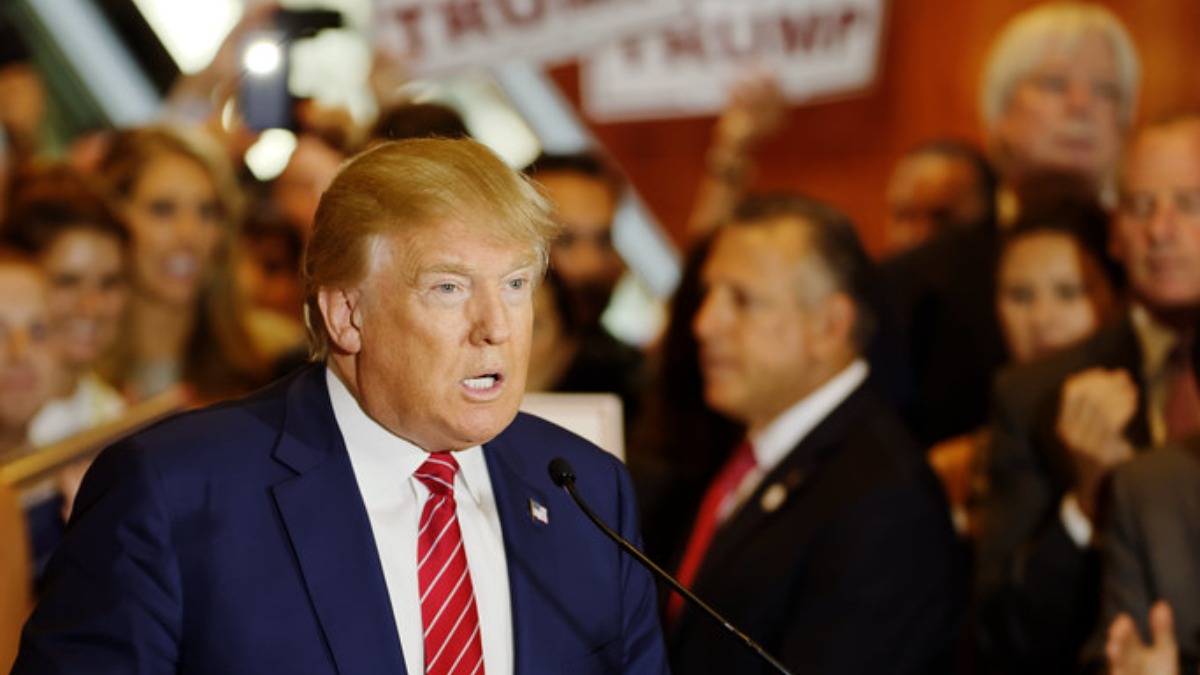
Colbert also made a direct accusation, saying, “Let’s just call this what it is: Donald Trump’s administration wants to silence anyone who says anything bad about Trump on TV, because all Trump does is watch TV.” It was a bold claim made openly on air.
According to The Independent, CBS pushed back hard. A network spokesperson stated that “THE LATE SHOW was not prohibited by CBS from broadcasting the interview with Rep. James Talarico.” Instead, CBS said the show “provided legal guidance that the broadcast could trigger the FCC equal-time rule for two other candidates, including Rep. Jasmine Crockett.”
The FCC’s shifting stance on talk show exemptions is what really started all of this
The equal-time rule is a Federal Communications Commission (FCC) regulation that requires broadcasters to give equal airtime opportunities to all candidates running for the same public office. Traditionally, talk shows were exempt from this rule under the “bona fide news exemption.” This is not the first time CBS has faced internal tension over editorial decisions, as seen in the network’s recent dispute over a controversial contributor.
However, the FCC published a public notice in January stating it hasn’t “been presented with any evidence that the interview portion of any late night or daytime television talk show program on air presently would qualify for the bona fide news exemption.” This shift in the FCC’s position under the Trump administration appears to be the reason behind the legal guidance CBS gave to Colbert’s team.
CBS’s spokesperson further clarified that the network offered “options for how the equal time for other candidates could be fulfilled.” In the end, “THE LATE SHOW decided to present the interview through its YouTube channel with on-air promotion on the broadcast rather than potentially providing the equal-time options.”
James Talarico, the Democratic Texas state representative running for the U.S. Senate, shared a clip of the interview on X with the caption: “This is the interview Donald Trump didn’t want you to see.” Both Colbert and Talarico have framed the situation as an attempt by the administration to suppress political criticism.
CBS has been navigating several high-profile talent decisions lately, including Anderson Cooper’s surprising departure from 60 Minutes. The network, however, maintains that it was simply following FCC legal guidance rather than blocking the interview outright. The core disagreement between Colbert and the network comes down to whether what happened counts as a prohibition or just a legal warning with alternatives offered.






Published: Feb 18, 2026 03:15 pm