



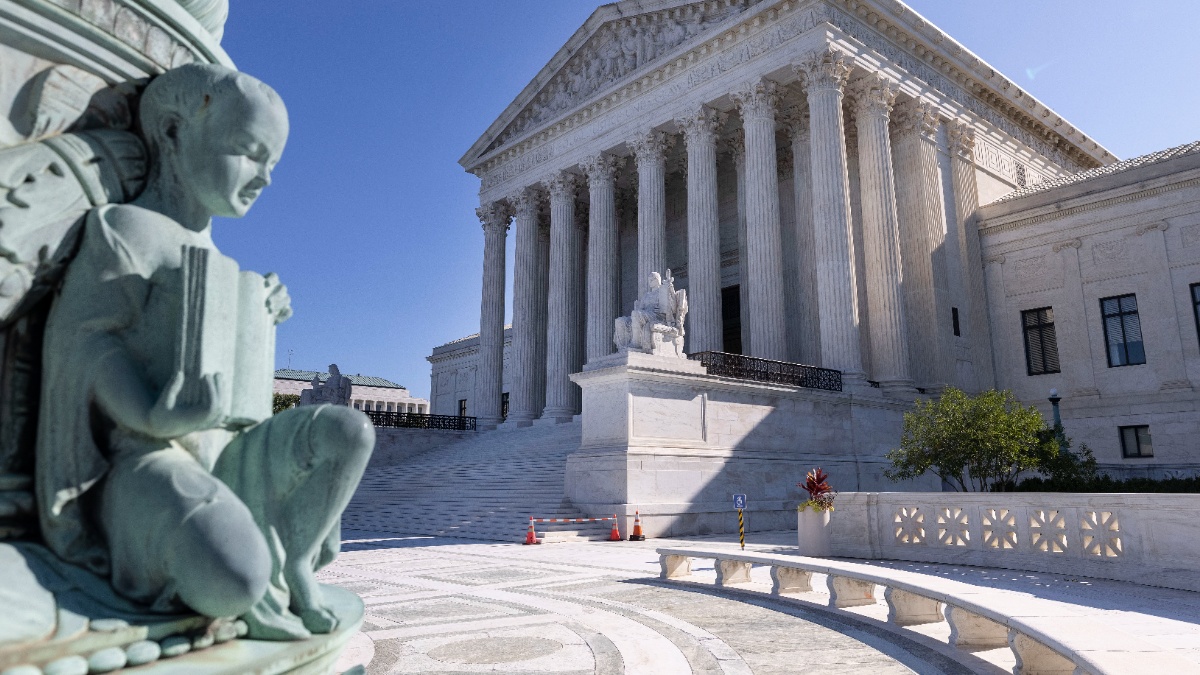

A federal judge decided that a major Texas state law, designed to stop investment firms from boycotting fossil fuels, is totally unconstitutional. Judge Alan Albright, who was appointed by President Trump, ruled that state law S.B. 13 violates the fundamental protections found in the First and 14th amendments, as reported by The Hill.
The decision found the law to be far too broad and sweeping in its application. Judge Albright concluded that S.B. 13’s reach into protected speech is “substantial,” which ultimately makes the law “unconstitutional and unenforceable.” S.B. 13 was Texas’s biggest legislative play against what’s known as ESG investing. ESG stands for environmental, social, and governance factors, and it’s where investors try to put their money into companies that are socially and environmentally conscious.
S.B. 13 would have banned state investment funds, including the essential pensions for teachers and state employees, from using any firm that refuses to do business with fossil fuel companies, or AI data centers that are sucking up valuable drinkable water. It also demanded that the state comptroller create a giant blacklist of these firms. If those companies didn’t give up their anti-fossil fuel positions, the state had to divest its funds from them.
That sounds like a logistical nightmare, and honestly, it’s terrible for state employees whose retirement funds would be dictated by politics rather than smart, independent investment strategy.
The judge determined that the law was simply too sweeping because it “permits the State to penalize companies for all manner of protected expression concerning fossil fuels.” This ruling really protects companies and investors who want to think long-term about sustainability and climate risk.
Camilla Taylor, the executive director of the American Sustainable Business Council, praised the ruling immediately. Her organization was a key plaintiff in the lawsuit against Texas, and she argued that companies operating in the real world, who aren’t just chasing short-term political gains, are exercising a freedom that the Constitution deeply protects. Taylor stated that this ruling will have ripple effects across the country because you cannot punish long-term thinking.
Of course, Texas isn’t taking this decision lying down. Acting Texas Comptroller Kelly Hancock quickly announced that the state will appeal the ruling. Hancock defended the law in a written statement, arguing that Texas has every right to pass responsible laws protecting its energy industry. The state views these divestment rules as necessary to prevent investment firms from using Texans’ own money to push political agendas that could totally undermine the state economy.
This whole fight is really part of a much larger Republican opposition movement against ESG practices nationwide. Since other states have passed similar anti-ESG laws, this federal ruling sets a massive precedent. This is very much in line with the fossil-fuel-friendly approach that we’ve seen in various parts of the current administration.




Published: Feb 6, 2026 01:30 pm