




The Justice Department released a massive new cache of files tied to the federal investigations of convicted sex offenders Jeffrey Epstein and Ghislaine Maxwell, adding roughly three million pages to the public record. The disclosure, as reported by The Washington Post, includes more than 2,000 videos and about 180,000 images related to the long-running case.
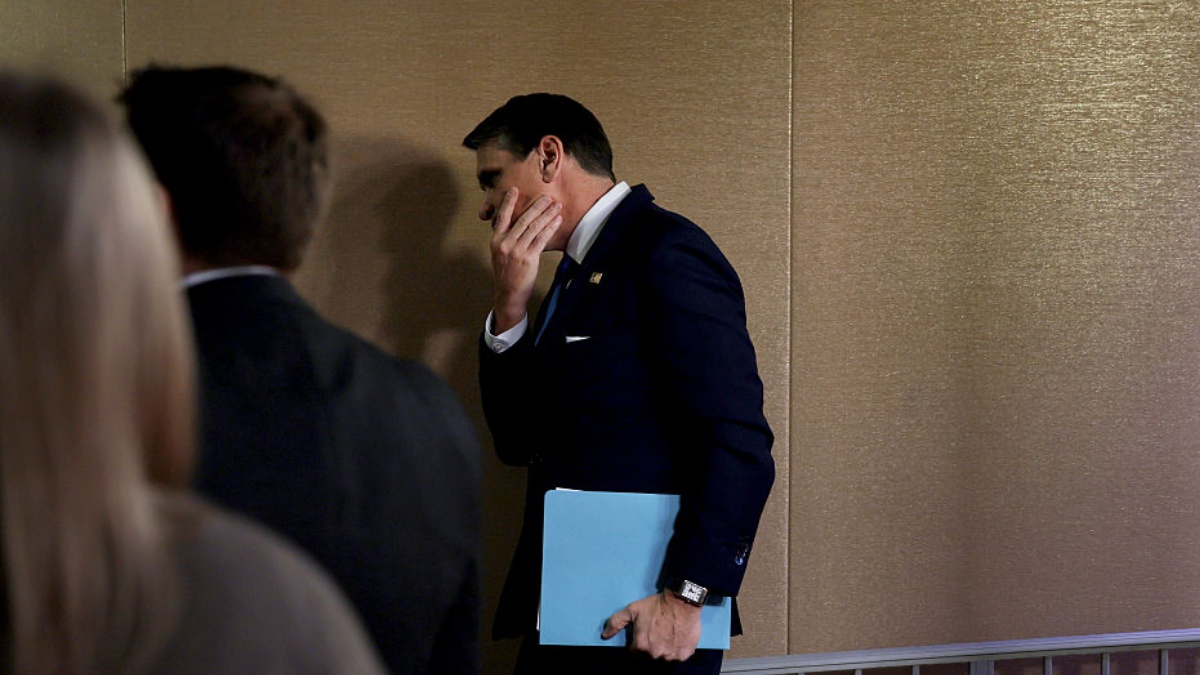
Deputy Attorney General Todd Blanche announced the release on Friday, January 30, 2026, calling it the final major disclosure connected to the Epstein investigations. Blanche said the materials represent the fullest picture the department gathered during its prosecutions, following months of review by federal prosecutors and staff.
The release immediately drew criticism on Capitol Hill because it arrived more than a month after the December 19 deadline required under federal law. Lawmakers argue that the missed deadline, rather than the size of the release itself, has become the central issue surrounding the department’s handling of the files.
The delay is fueling as much scrutiny as the files themselves
Democratic lawmakers have sharply criticized the Justice Department for missing the deadline, saying the delay reflects broader resistance to congressional oversight, a dynamic also seen in other recent political clashes like the calls for accountability amid GOP pressure after an ICE shooting in Minneapolis. Representative Robert Garcia, the ranking Democrat on the House Oversight Committee, said the department is already defying an August 5 subpoena demanding full, unredacted access to the Epstein files, including classified material and records tied to ongoing investigations.
Garcia said the department is “in violation of the law” and stressed that lawmakers are still seeking the names of Epstein’s alleged co-conspirators. He said the committee will review the latest release, but made clear that the investigation is ongoing and not resolved by this production.
Officials within President Trump’s administration defended the delay, arguing that protecting victims outweighed meeting the statutory deadline. Blanche said hundreds of Justice Department lawyers spent weeks reviewing the files and that prosecutors from Washington, D.C., Florida, and New York were reassigned to handle the workload. This intensive review effort comes as other policy debates, from trade to internal party disputes, dominate headlines, including recent tariff escalation issues tied to international agreements.
According to Blanche, all photos and videos depicting women were redacted to prevent victim identification, while images of men were left unredacted unless a woman appeared in the same frame. He also said the department took extensive steps to ensure no identifying information was disclosed.
The case has fueled conspiracy theories for years, including claims that the government is shielding powerful individuals or that Epstein had ties to U.S. intelligence agencies. Blanche rejected those assertions, stating there is no classified material in the released files, though he acknowledged some documents were withheld to avoid compromising ongoing criminal investigations.
Blanche also confirmed that the names of powerful men associated with Epstein were not redacted and noted that the release includes uncorroborated FBI tips. He reiterated the department’s position that the evidence does not support criminal charges against additional individuals, a stance it has maintained previously.
The public release process began after Congress passed the bipartisan Epstein Files Transparency Act in November, which President Trump signed into law. An initial release of about 100,000 pages was made public on December 19, including photos of former president Bill Clinton, which administration officials highlighted online.
Clinton’s representatives accused the administration of using the release to deflect attention from Trump’s past association with Epstein. Clinton spokesman Angel Ureña said the former president had no knowledge of Epstein’s crimes, despite having met him several times and traveling on his plane.
The Justice Department is still required to submit a report to Congress explaining the scope and rationale behind its redactions, including any materials withheld due to active investigations.







Published: Jan 30, 2026 07:30 pm