



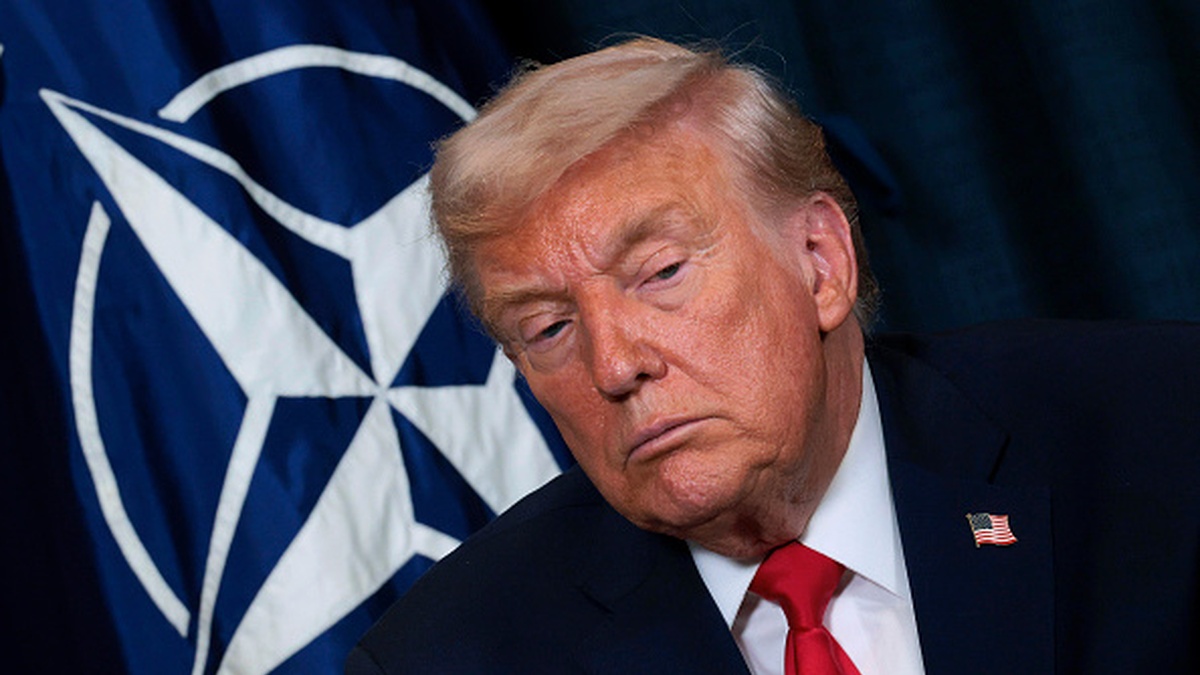

President Donald Trump offered an unexpected economic assessment, telling reporters he views the sharp decline in the U.S. dollar as a positive development despite long-standing concerns about currency weakness. The remarks drew attention as the greenback continues to slide against major global currencies.
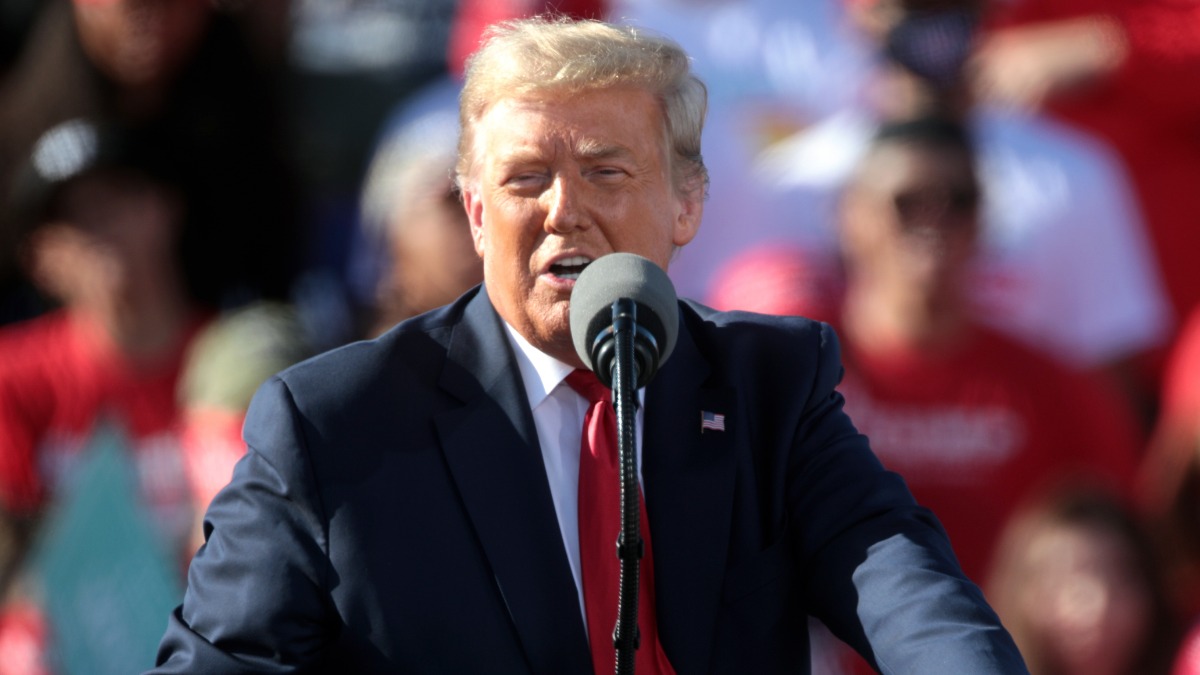
The comments came during a restaurant stop in Urbandale, Iowa. As highlighted by Politico Europe, Trump was asked directly about the dollar’s drop and responded bluntly. “I think it’s great,” he said, adding, “Look at the business we’re doing. The dollar’s doing great.”
The dollar had already fallen to its lowest level in nearly four years before Trump addressed the issue publicly. After his remarks, it weakened further against a basket of foreign currencies, underscoring how closely markets track presidential rhetoric on economic policy.
Why the president is cheering the decline
Trump has long argued that a weaker dollar benefits industries he wants to prioritize, particularly manufacturing and the oil and gas sector. For U.S. companies that export goods and services, a softer currency makes American products cheaper abroad and boosts reported earnings when foreign revenue is converted back into dollars. This ties into wider global reactions to policy shifts, such as how a Trump sanctions move puts the UK on the spot.
That view is shared by some of his economic advisers. Federal Reserve Governor Stephen Miran, currently on leave from his post as the president’s top economic adviser, has argued that a strong dollar in recent years put U.S. firms at a disadvantage compared to overseas competitors.
The position remains controversial because a weaker dollar can hurt consumers and import-reliant businesses. Reduced purchasing power makes foreign goods more expensive and can contribute to higher inflation, a persistent concern for households and policymakers. Separately, a Florida couple’s lawsuit over a clinic mistake drew national attention, reflecting broader debates on accountability in sectors outside economics.
For that reason, Treasury officials have traditionally supported a strong and stable dollar. Treasury Secretary Scott Bessent and others have framed currency strength as a signal of economic reliability and long-term stability.
The dollar’s recent slide is not solely tied to Trump’s remarks. It has also been driven by turmoil in global bond markets and growing doubts about the United States as a dependable trading partner. Trump’s foreign policy agenda, repeated tariff threats, and even proposals such as acquiring Greenland have fueled a broader “sell America” narrative weighing on U.S. assets, while possible intervention to support the Japanese yen has added further pressure.
Despite those risks, the administration appears willing to accept weaker purchasing power and inflationary pressure if it improves the competitiveness of U.S. exporters. Trump’s comments suggest the dollar’s decline aligns closely with the outcome he wants.



Published: Jan 27, 2026 08:00 pm