



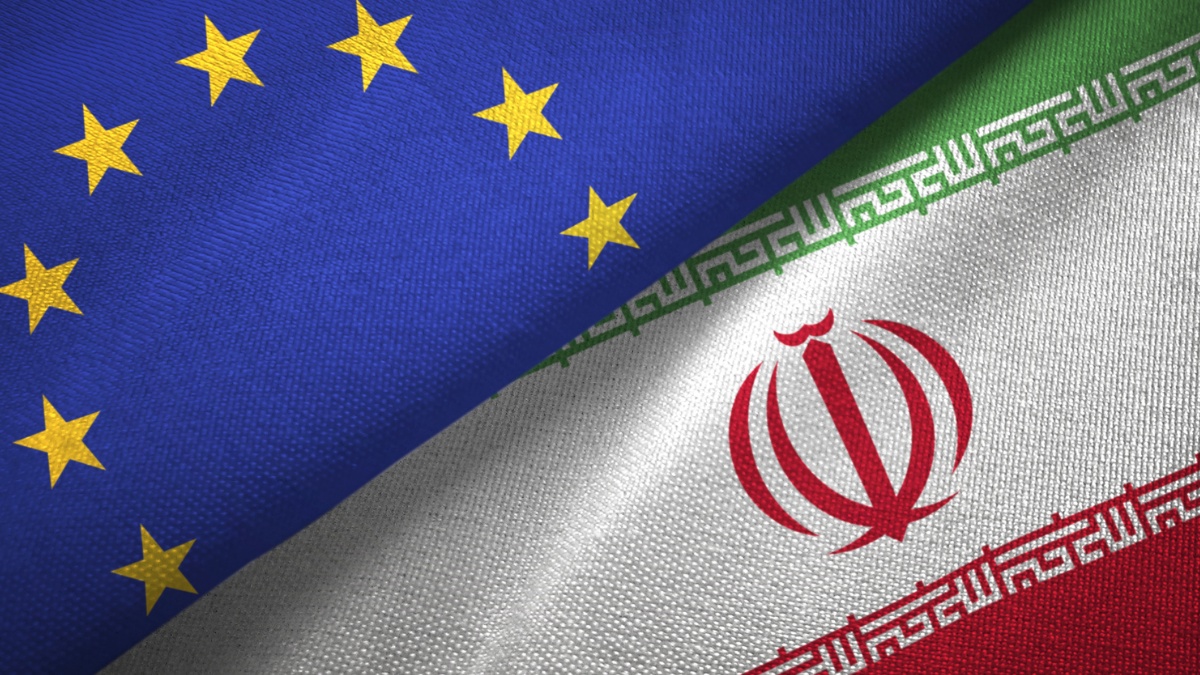

The European Union has officially added Iran’s Islamic Revolutionary Guard Corps to its list of designated terrorist organizations, marking a dramatic shift in policy toward Tehran. The move represents a step the bloc had long been reluctant to take, reflecting a sharp hardening of its stance after months of violent crackdowns on domestic unrest. As highlighted by the BBC, EU officials framed the decision as a response to the scale of repression inside Iran.
Iran swiftly condemned the designation, with Foreign Minister Abbas Araghchi calling it a “stunt” and a “major strategic mistake,” and warning that Iran’s armed forces were prepared to react forcefully to any aggression. His comments come amid international attention to tensions, such as the ongoing Trump threat to Iran developments, that have added strain to diplomatic relations.
EU leaders said the listing followed what they described as unprecedented violence by Iranian authorities. French Foreign Minister Jean-Noel Barrot referred to “the most violent repression in Iran’s modern history,” while the EU’s top diplomat, Kaja Kallas, said the scale of the crackdown demanded a response. In a social media post, she added that regimes responsible for mass killings of their own citizens undermine their own future.
A line the EU once avoided has now been crossed
Human rights groups say the unrest in December and January resulted in thousands of deaths after security forces, including the IRGC, moved to suppress protests. Iranian officials have acknowledged just over 3,100 deaths, claiming most were security personnel or bystanders caught up in violence by “rioters.” Independent groups dispute those figures, with one US-based organization confirming more than 6,300 killings, the majority of whom were protesters, while others estimate the toll could be far higher. This follows concerns about Iran easing the internet blackout restrictions in a limited way, that make independent verification difficult.
The EU’s decision places the IRGC alongside groups such as Islamic State and al-Qaeda on its terrorism list. Organizations on that list are subject to asset freezes and travel bans, measures intended to dismantle their financial and logistical support networks across Europe.
The scale of the IRGC makes the move particularly significant. Established after the 1979 revolution to protect Iran’s Islamic system, it is the country’s most powerful military force, with an estimated 190,000 active personnel and control over land, air, and naval units. It also oversees the Basij Resistance Force, a large paramilitary organization frequently deployed to quell internal dissent, and plays a key role in supporting allied governments and armed groups abroad.
The decision was not initially unanimous within the EU. France had previously expressed concern that such a designation would sever remaining diplomatic ties with Tehran, but later backed the push, which was led by Italy. Alongside the IRGC listing, the EU imposed sanctions on six entities and 15 individuals, including Interior Minister Eskandar Momeni, Prosecutor General Mohammad Movahedi Azad, and judge Iman Afshari, citing their roles in violent repression and arbitrary arrests.
Despite the escalation, EU officials have said they still expect diplomatic channels to remain open. Iran’s immediate and hostile reaction underscored how sharply relations have deteriorated as the bloc aligns more closely with allies such as the United States, Canada, and Australia, all of which have already designated the IRGC as a terrorist organization.

Published: Jan 29, 2026 05:00 pm