



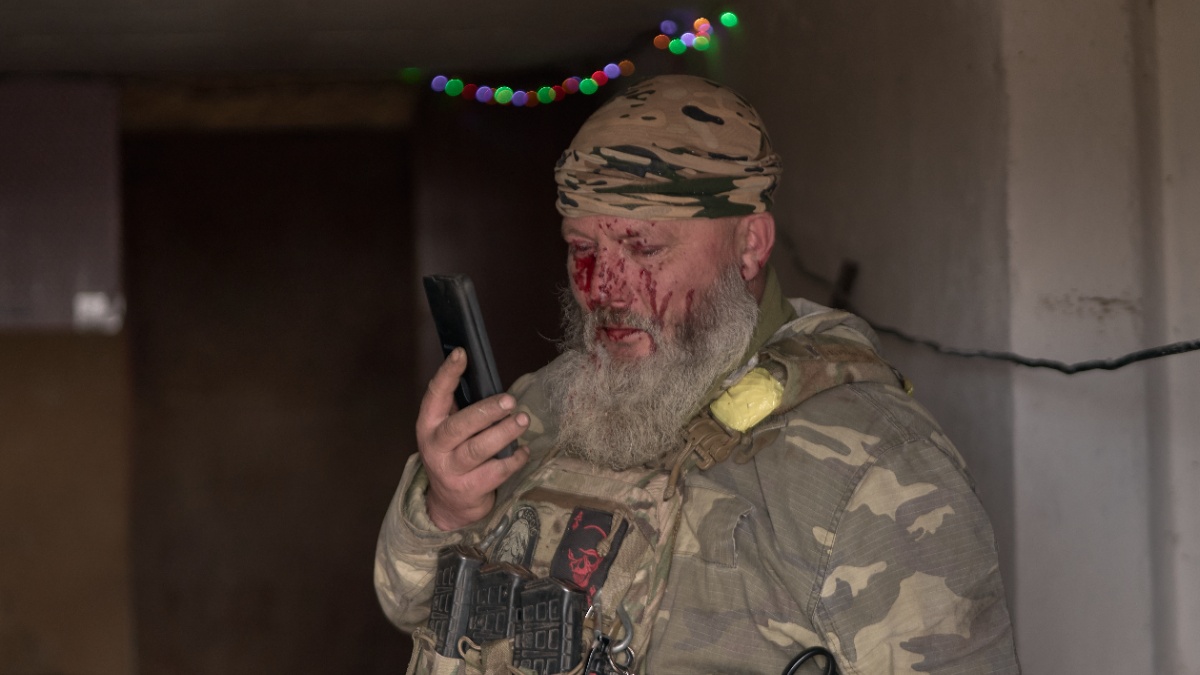

Elon Musk’s recent decision to deny Russian forces access to his Starlink satellite-based internet service has truly shaken things up, as reported by the BBC. Evidence is piling up that this move has blunted Moscow’s advance, thrown Russian soldiers into confusion, and handed a significant advantage to Ukraine’s defenders.
The impact has been immediate and noticeable for Ukrainian forces. A Ukrainian drone operator, known by the callsign Giovanni, told us that the Russians “lost their ability to control the field.” He even believes they’ve “lost 50% of their capacity for offence,” pointing to fewer assaults and enemy drones as proof. While it’s still early days to fully assess the long-term effects of this change, there are already reports of Russian forces being forced to retreat in some areas, particularly east of Zaporizhzhia.
This critical change came after Ukraine’s defense minister, Mykhailo Fedorov, made a direct request to Musk’s SpaceX company to block Russian access to Starlink. Before this, there was mounting evidence that Russian forces were using Starlink to mount increasingly accurate attacks. They were reportedly attaching $400 units to drones, giving operators real-time video links to guide their attacks onto targets.
It’s widely believed that a deadly Russian attack on a moving passenger train in the Kharkiv region last month even involved a Geran-2 drone equipped with a Starlink terminal
Since February 1, SpaceX has completely switched off all Starlink terminals operating in Ukraine, except for those on a “white list” approved by Kyiv’s Defense Ministry. This meant private users across the country had to re-register their units with their personal ID numbers before getting reconnected. Ukrainian online activists from the volunteer group InformNapalm launched a successful phishing operation that tricked Russian soldiers into revealing details about their Starlink terminals.
Mykhailo Makaruk, a spokesman for InformNapalm, explained how they directed people to “closed group chats” to make it seem “top secret.” This operation successfully identified a staggering 2,425 Starlink terminals, stretching from the Crimean peninsula all the way to Gomel in eastern Belarus.
Some Russian soldiers, thinking they were on the fast track to getting their terminals reconnected, even fell for the scam and made online payments totaling $5,000. Once the locations of these terminals near the front lines were established, many became targets for Ukrainian artillery and drones. InformNapalm also identified about 30 people who were ready to share their data, likely attempting to bribe Ukrainian collaborators to register Starlink terminals on their behalf.
Makaruk noted that Russia’s FSB Security Service is now issuing its own warnings, telling soldiers not to fall for the scam, but the phishing operation has already had a disruptive effect. He shared screenshots of expletive-laden Russian chats, showing soldiers discussing the dangers of keeping a Starlink terminal nearby. “They don’t trust each other anymore,” Makaruk said.
Ukraine’s Security Service, the SBU, is also “actively countering Russian attempts to recruit Ukrainian citizens for the illegal registration of Starlink systems,” warning that such collaboration is high treason and carries severe penalties.



Published: Feb 19, 2026 02:30 pm