



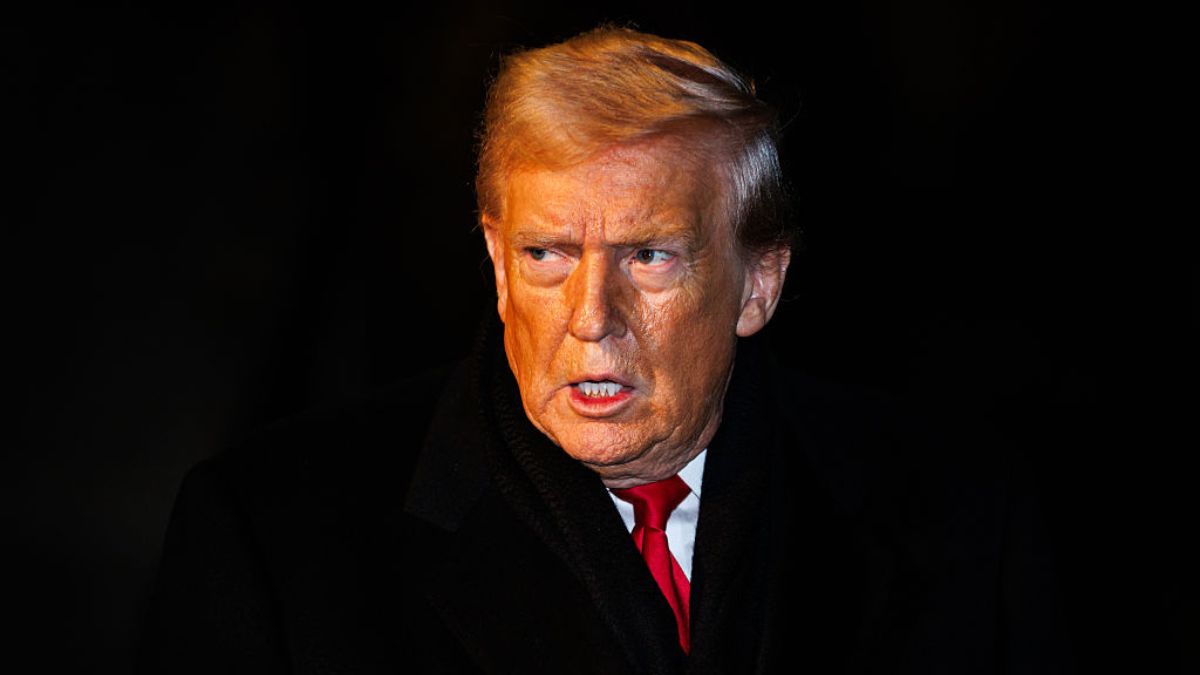

The European Parliament has delayed a decision on unfreezing a major EU-US trade deal, despite President Donald Trump backing away from recent tariff threats tied to Greenland. The development was first reported by Politico Europe, after expectations grew last week that lawmakers would move quickly to unblock the agreement.
Momentum had been building following pressure from several EU member states to resume the ratification process. Trump’s retreat from the threatened measures appeared to remove the main political obstacle, raising hopes that the long-stalled deal would soon advance. Recent US political turmoil has included the Minnesota governor telling Trump’s AG to forget his state as leaders navigate competing priorities.
Those expectations faded after a closed-door meeting of Parliament’s senior trade lawmakers on Monday ended without consensus. While there was broad agreement that the deal could still move forward, divisions over timing and strategy resulted in a significant delay.
Trust remains the sticking point despite easing tariff threats
The debate centers on whether lawmakers should immediately put the agreement to a vote or first demand more information from Washington. Several political groups want clarity on the NATO related understanding that reportedly led Trump to abandon the tariff threats, arguing that trust in the US administration remains fragile. At the same time, the GOP’s demand for answers after ICE shooting has spotlighted deep divisions within the US on law and policy.
The center right European People’s Party has pushed for swift action, with its top trade lawmaker Jörgen Warborn arguing that speed would provide stability for businesses. The conservative ECR group and the far right Patriots echoed that position, urging Parliament to resume work on the deal without further delay.
Other factions remain unconvinced. The Socialists, Renew Europe, and the Greens say Trump’s unpredictability warrants a tougher approach. Social Democrat lawmaker Kathleen van Brempt said lawmakers support the deal in principle but need clarity on the assurances behind the president’s change of course.
Liberal trade lead Karin Karlsbro also warned against rushing the process, stressing that improved EU-US trade relations must be built on mutual respect. She said the door remains open, but there is no urgency to move forward without stronger guarantees.
The Socialists have additionally questioned whether the European Commission should keep the Anti-Coercion Instrument on the table. The tool, the EU’s strongest trade defense measure, was close to being activated before Trump reversed his stance. A senior Commission official told lawmakers the executive now favors accelerating the deal, but some MEPs argued Parliament should maintain pressure on Washington.
The ratification process was frozen in July after Trump threatened tariffs against European allies supporting Greenland. Although lawmakers discussed launching a formal Anti Coercion investigation, no majority emerged, according to Brando Benifei, who chairs Parliament’s US delegation.
For now, the issue has been deferred. Lead negotiators are expected to meet again on February 4 to determine next steps, leaving the EU-US trade deal paused as lawmakers weigh whether the White House’s retreat is enough to restore confidence.








Published: Jan 26, 2026 07:15 pm