




President Donald Trump recently went out of his way to name Secretary of Defense Pete Hegseth as “the first” person in his administration to push for war with Iran. This came at a tense moment, with thirteen American service members dead since fighting began on February 28, and 1,300 Iranians also killed.
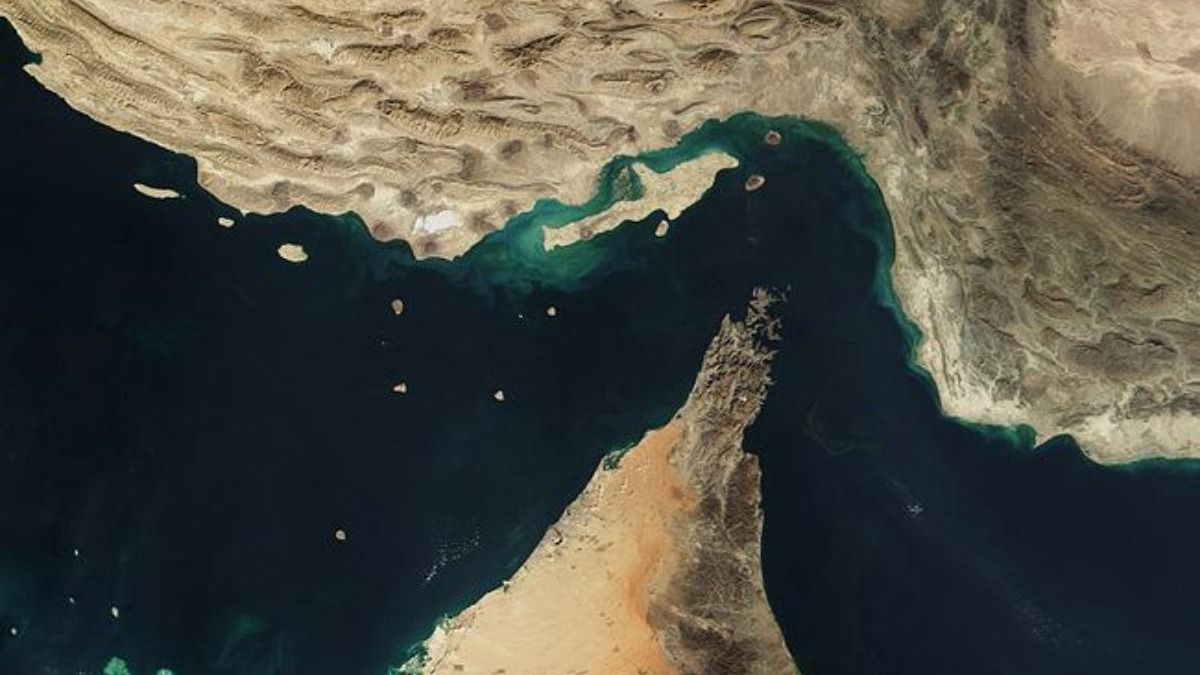
Iran responded to the initial U.S. and Israeli attacks by closing the Strait of Hormuz, which has choked the flow of oil and sent prices skyrocketing. Trump had previously threatened to bomb Iran’s power plants if they did not reopen the strait.
On Monday, Trump said he would pause some strikes, claiming the U.S. and Iran were in negotiations. According to Mediaite, Iranian officials, however, flatly denied that any talks were taking place and have continued the country’s retaliatory attacks on US-Israeli assets, and its neighboring Gulf countries.
Trump publicly naming Hegseth as the war’s biggest early supporter could have serious consequences for the Pentagon
Trump made his comments about Hegseth while speaking at a crime task force roundtable in Memphis. “I called a lot of our great people,” Trump said. “We have great people, and I said, ‘Let’s talk. We got a problem in the Middle East. We have a country known as Iran that, for 47 years, has been just a purveyor of terror, and they’re close to a nuclear weapon.'”
With Hegseth present, Trump then said, “And Pete, I think you were the first one to speak up. And you said, ‘Let’s do it, because you can’t let them have a nuclear weapon.’ So, we are now having really good discussions.”
“They started last night, uh, little bit the night before that,” he continued. “And uh, I think they’re, you know, I think they’re very good. They want peace to– they’ve agreed they will not have a nuclear weapon, you know etc., etc., but we’ll see. You have to get it done. But I would say there’s a very good chance.”
This public attribution to Hegseth could be read in two ways. It could be Trump giving credit to Hegseth for his decisive stance, or it could be the president setting the stage for a potential shake-up at the Pentagon, depending on how the conflict unfolds. Meanwhile, a small number of ships are still passing through the strait daily, though many appear to be following unofficial rules that are not publicly known.
Since the bombing campaign against Iran began on February 28, the administration has offered nearly a dozen different reasons for the war, with the nuclear threat being the most emphasized. This reasoning, however, sits awkwardly alongside comments Trump made after U.S. and Israeli strikes on Iranian nuclear facilities last year, when he confidently said those facilities were “totally obliterated.”
Earlier, Trump’s 48-hour ultimatum to reopen the strait was met with Iran threatening a counterstrike that analysts warned could make the oil crisis look minor. Trump also noted that Israel has “been a great partner in this fight.” With thirteen Americans dead, 1,300 Iranians killed, and the Strait of Hormuz still closed, the situation remains very much unresolved.




Published: Mar 24, 2026 03:00 pm