



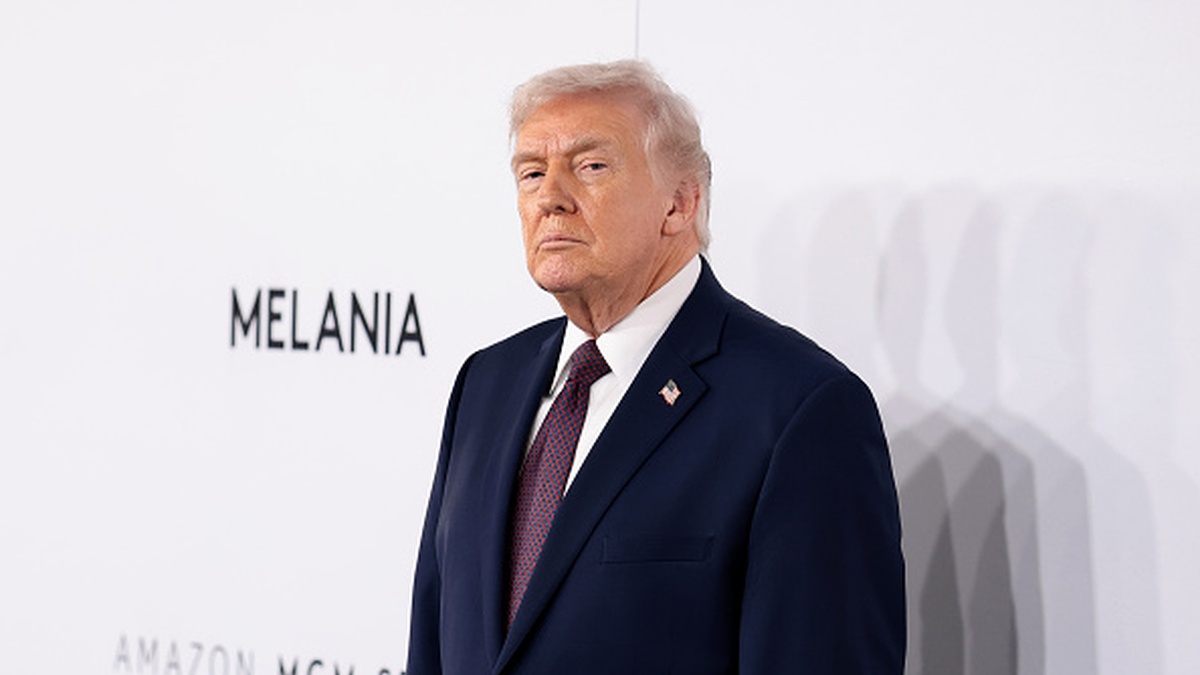

House Speaker Mike Johnson suffered a major political loss this week when he failed to bring back a rule that would have protected President Trump’s tariffs from Congressional votes. This setback now allows Congress to force votes that could cancel the president’s tariffs on imported goods.
According to HuffPost, Johnson’s plan failed because three House Republicans voted with all the Democrats. The rule would have stopped lawmakers from forcing votes to overturn President Trump’s tariffs. The three Republicans who voted against the Speaker’s plan were Representatives Don Bacon (R-Neb.), Kevin Kiley (R-Calif.), and Thomas Massie (R-Ky.).
The vote was very close because GOP leadership expected all Democrats to vote against it, meaning just two Republican “no” votes would kill the effort. With three Republicans voting against it, Johnson couldn’t get the votes he needed.
Congress pushes back to reclaim its power over trade policy
The previous ban on anti-tariff votes, which GOP leaders had put in place since April, had expired. Johnson tried to bring back the ban, and the House Rules Committee approved legislation on Monday to prevent any tariff votes through July 31. This was a response to threats from House Democrats, who were ready to force a vote as soon as Wednesday to cancel the tariffs President Trump placed on Canada.
Now that Johnson’s attempt failed, lawmakers are expected to force votes in the coming days on bills to cancel the tariffs. Similar measures have already passed the Senate in the past year. Since Congress can now move these bills forward, they could reach President Trump’s desk for a final decision.
Speaker Johnson explained his reasons for wanting to keep the ban earlier on Tuesday. He told reporters, “The rationale for this, for just extending this to a little bit to July, is to allow the Supreme Court to rule on the pending case.” He also said, “The president’s trade policies have been a great benefit to the country.” This comes as the president continues to face challenges on multiple fronts, including concerns about pressure tactics against Iran.
However, the Republicans who voted against the Speaker said this wasn’t about the tariffs themselves, but about Congress taking back its constitutional duties. Rep. Bacon was clear about his reasoning, stating, “Article I of the Constitution places authority over taxes and tariffs with Congress for a reason, but for too long, we have handed that authority to the executive branch.” He added, “It’s time for Congress to reclaim that responsibility.”
If a bill canceling the tariffs reaches President Trump, he can veto it. It seems unlikely that enough Republican lawmakers would join Democrats to override a presidential veto. Still, Congress has shown it wants some say in the president’s trade decisions. The president has been making headlines recently for various reasons, including when he criticized Olympic skier Hunter Hess after controversial press conference comments.







Published: Feb 11, 2026 05:15 pm