




Black rain poured down on Tehran on March 8, forcing residents to flee after Israeli drone strikes hit giant oil depots and refineries on the city’s outskirts. These strikes ignited massive fuel fires, releasing columns of black smoke that mixed with rain clouds, drenching the city in toxic chemicals.
This unsettling event felt all too familiar to Nejat Rahmanian, an Iranian researcher and professor of chemical and petroleum engineering at the U.K.’s University of Bradford. He recalled a similar, surreal experience 35 years ago when clothes hanging out to dry got stained and the air felt heavy. Back then, they eventually learned that Iraqi forces had set hundreds of oil fields ablaze in Kuwait, about 800 miles away, during the Gulf War. Plumes of soot, hydrocarbons, and sulfur dioxide had blown over Iran, polluting everything and even accelerating the melting of Himalayan glaciers, according to a 2018 study.
As reported by the Japan Times, experts are now warning that the current conflict, which entered its third week, is unleashing similar pollutants. This time, however, the impact on Tehran and its wider metro area, home to about 18.5 million people, will be far greater because the pollutants were released so close to the city. Doug Weir, CEO at the Conflict and Environment Observatory (CEOBS), noted that while oil facilities are often attacked in conflicts, it is extremely rare for them to be near a large city like Tehran.
These substances can linger for decades, posing serious health risks and making cleanup efforts difficult and expensive.
CEOBS, a U.K.-based nonprofit focused on the environmental and humanitarian consequences of war, has already identified over 300 incidents with environmental risks due to the ongoing hostilities. Missiles and bombs release heavy metals and other toxic pollutants into the air, soil, and water when they explode. Weir added that the Israeli strike on the oil depots outside Tehran is the single biggest pollution incident of this war so far, exposing many people to pollution that will continue to affect them.
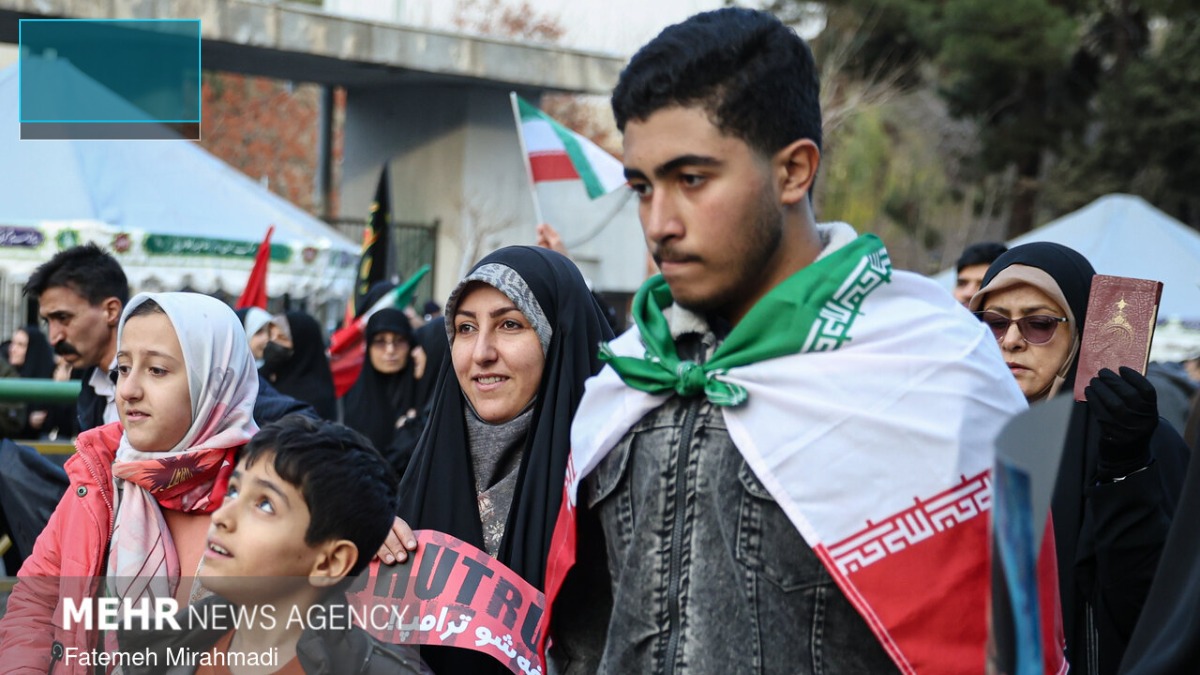
Initially, Iranian authorities advised residents to stay indoors, warning that the acidic rain could cause chemical burns and lung damage. The U.N.’s World Health Organization echoed this recommendation. However, senior Iranian officials and state television later urged people to go outdoors and join state-organized rallies, including an annual pro-Palestine march in central Tehran.
David J.X. González, an assistant professor at the University of California, Berkeley, expects acute impacts on respiratory health, noting that young children and pregnant women are especially vulnerable to these air pollutants. One Iranian engineer, who chose to remain anonymous due to fear of repercussions, shared that his relatives had initially planned to stay in Tehran despite the bombing. However, the poor air quality and the black rain ultimately forced them to flee to the country’s north.
Tehran already grappled with heavy pollution even before this war. Researchers like Rahmanian have detected high levels of fine particulate matter and heavy metals such as lead, cadmium, chromium, and nickel in the city’s water and air. They have also found toxic substances like sulfur dioxide, released from burning fossil fuels and garbage.
Dimitris Kaskaoutis, a physicist at the National Observatory of Athens who has studied air pollution in Iran for over a decade, attributed the primary cause to the high number of car engines and heavy industries near the city.







Published: Mar 16, 2026 12:30 pm