



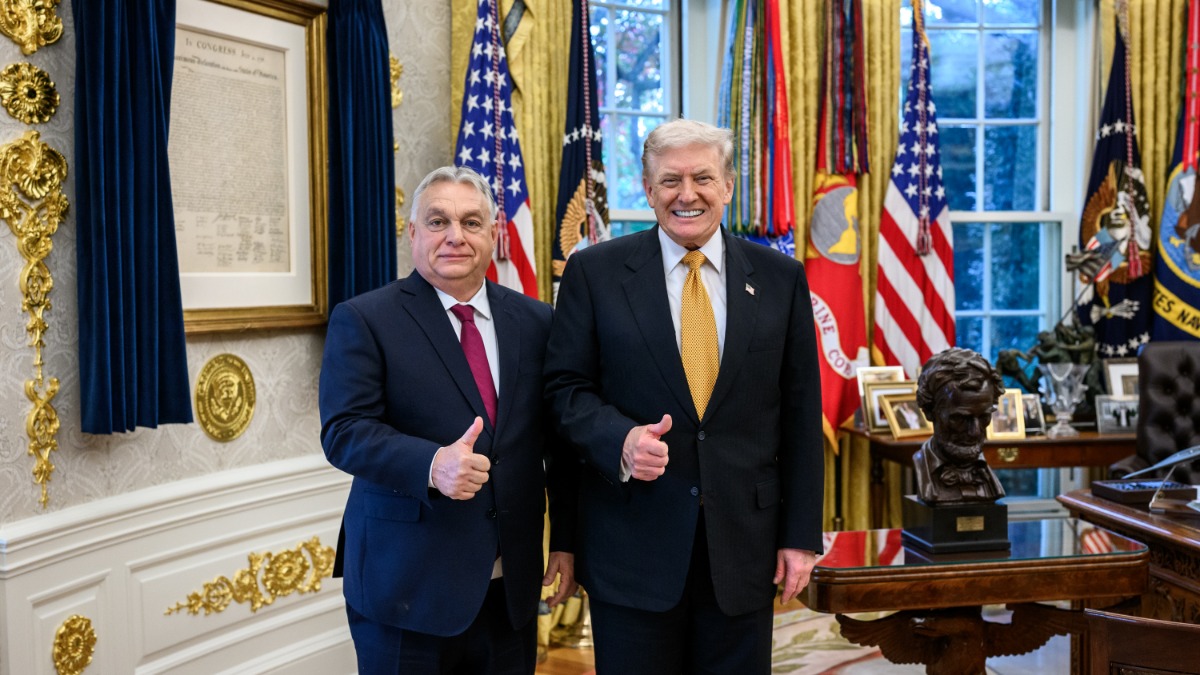

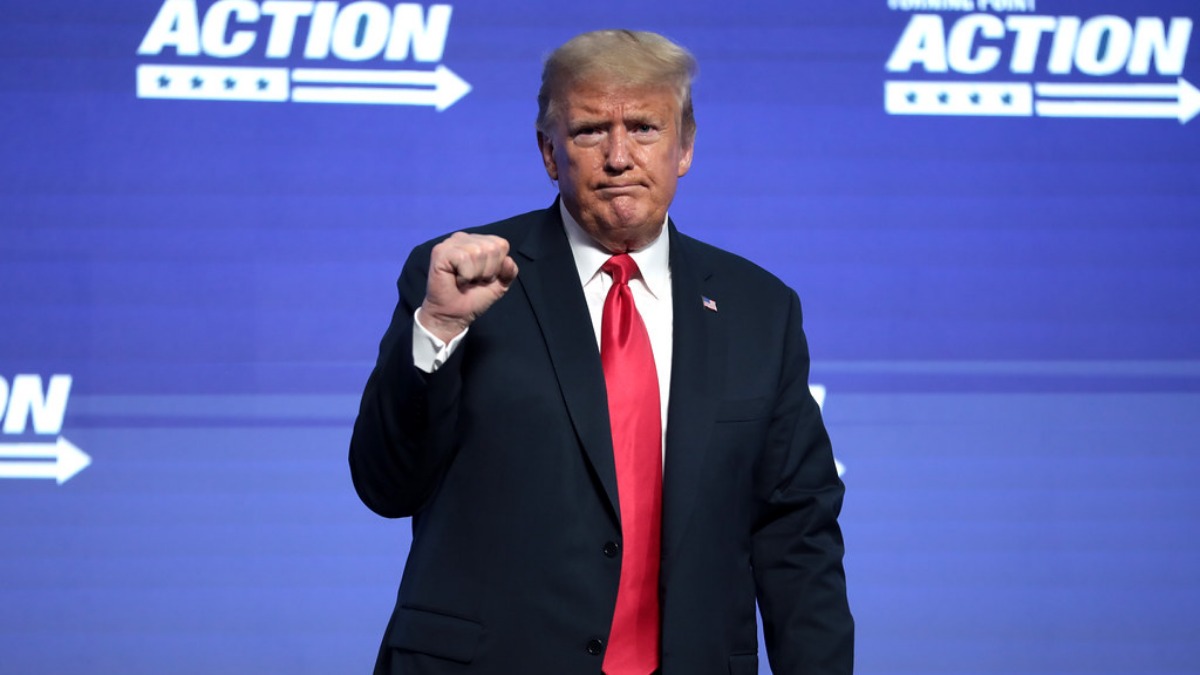
Donald Trump avoided all questions about the electoral defeat of former Hungarian Prime Minister Viktor Orban. Trump spoke briefly on the tarmac at Joint Base Andrews, but quickly walked away from reporters once the subject of the Hungarian election came up. He headed toward a waiting helicopter back to the White House after returning from his Mar-a-Lago resort in Palm Beach, Florida.
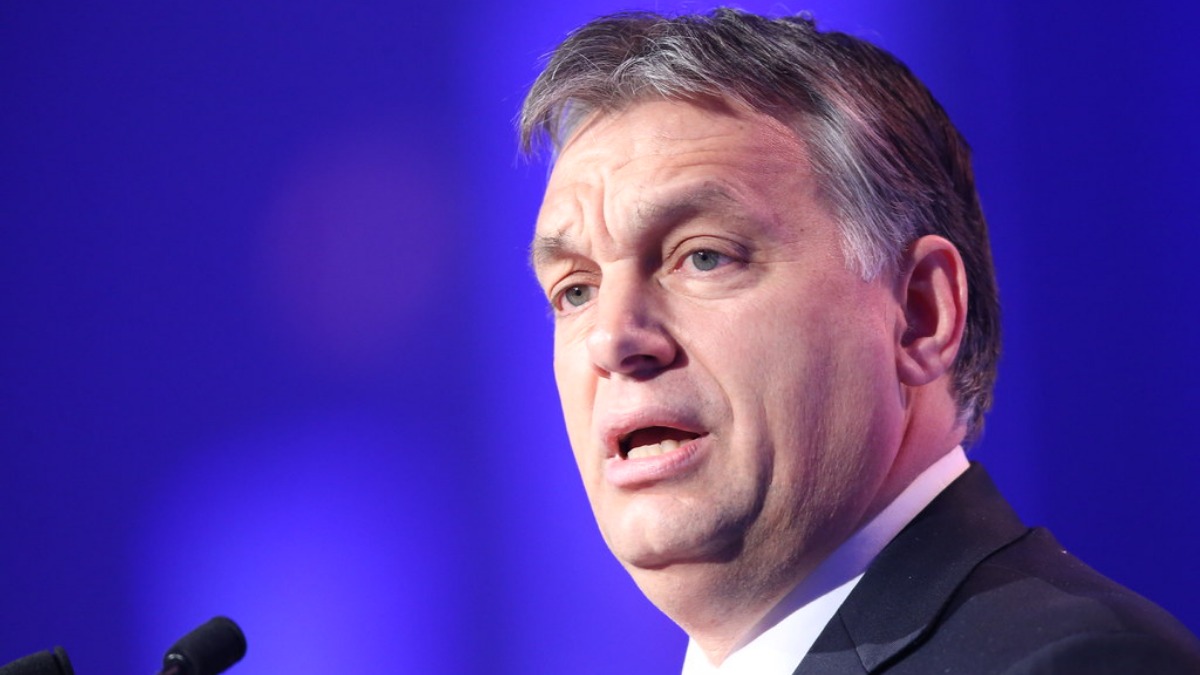
Orban’s Fidesz party failed to win even a third of the vote in the election, which saw a record turnout of nearly 80 percent in Hungary. Peter Magyar, the leader of the opposition Tisza party, addressed crowds in Budapest on Sunday night, declaring that the country had freed itself from the Orban regime. Orban had held power for 16 years, during which time he faced accusations of corruption and the weakening of democratic institutions.
According to The Daily Beast, the European Union had previously labeled Hungary an electoral autocracy due to crackdowns on media freedoms and minority rights. Magyar’s victory marked the end of a long political era that had drawn both strong allies and sharp critics across the globe.
The Trump administration openly backed Orban right up until his defeat
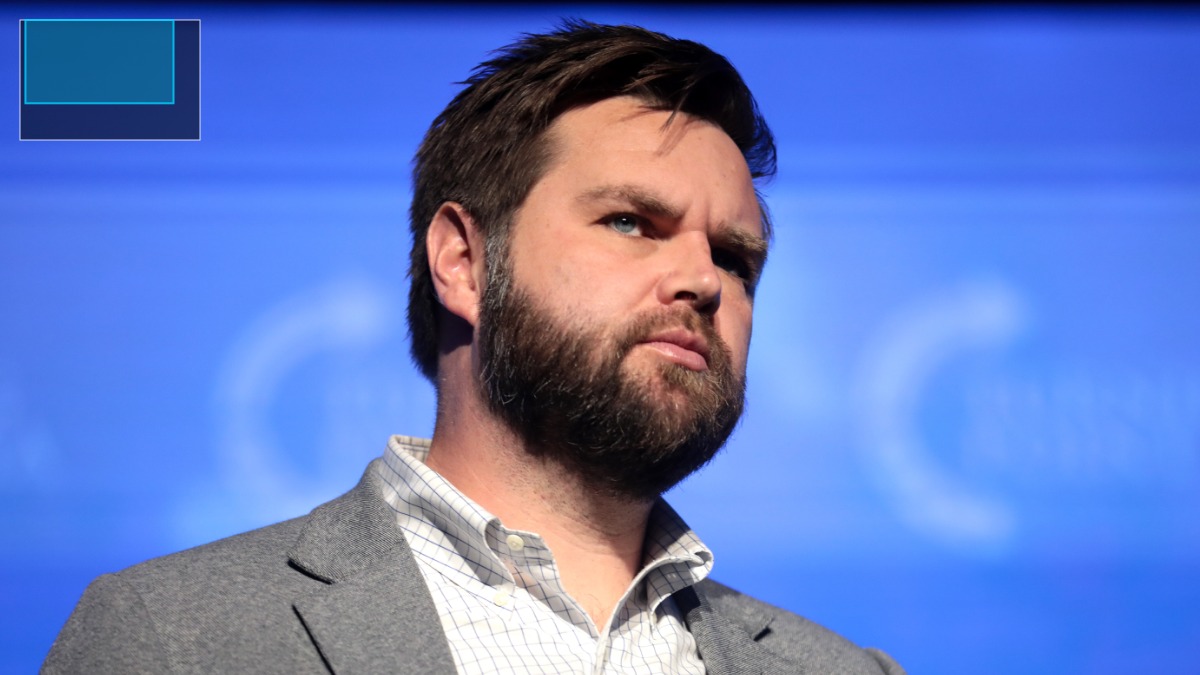
Despite the controversies surrounding Orban, the Trump administration actively supported him before the vote. Vice President JD Vance traveled to Budapest to campaign for Orban, calling him “a wise and smart man” and presenting the Hungarian government as a model for the rest of Europe.
Trump also expressed strong backing for his ally, calling Orban “a true friend” and even referring to him as his “twin” in Europe. This is not the first time Trump has thrown his weight behind a controversial political figure, as he has also endorsed a candidate in California’s governor race who only became a US citizen five years ago.
During a call-in to a rally led by Vance, Trump praised Orban for his hardline stance on immigration, saying he was “a fantastic man for not allowing people to storm and invade his country.” Trump had doubled down on this support just days before the election, posting on social media that his administration stood ready to use “the full economic might of the United States to strengthen the economy of Hungary” if Orban and the Hungarian people needed it.
He further wrote that he was “excited to invest in the future prosperity generated by the continued leadership of the prime minister.” Orban had long positioned himself as a champion of Christian nationalism and a firm opponent of what he called “wokeness.” He also maintained close ties with Vladimir Putin throughout the Russian invasion of Ukraine, which further isolated Hungary from many other European nations.
For many in Europe, Orban represented a growing wave of right-wing nationalist politics that found a natural partner in Trump’s America-first agenda. His fall from power is being seen by some as a pushback against that broader movement, and a signal that voters in Central Europe are not as firmly behind authoritarian-leaning governments as once assumed.
The Trump administration had sent high-level officials to Budapest to support Orban even while managing other foreign policy challenges, including a ceasefire in the war with Iran. Trump’s handling of the Iran conflict has drawn attention from unexpected voices, with figures like Jake Paul offering the president advice on the Iran war in ways that have raised questions about where his loyalties lie.
But following Sunday’s election results, the White House has stayed completely silent. No formal response has been issued regarding Peter Magyar’s victory or Orban’s exit from power. Trump has not offered any public comments on the outcome since the votes were counted. It is a sharp change in tone from an administration that was so openly vocal about its partnership with the Hungarian leader just one week ago.


Published: Apr 13, 2026 11:00 am