



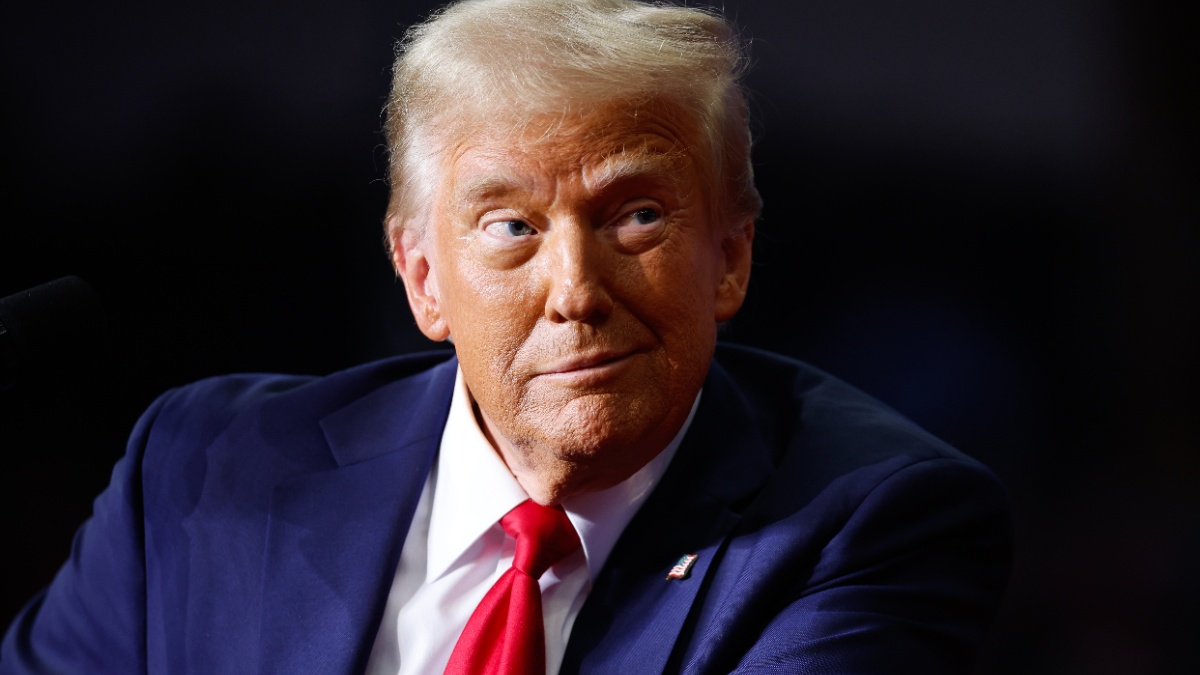

President Donald Trump has called off a second round of US military attacks planned for Venezuela, citing what he described as genuine cooperation from the South American country. As reported by Al Jazeera, the decision marks a sharp shift from last week’s military operation toward a strategy centered on economic engagement.
The president confirmed the cancellation on Friday, saying Venezuela had made a “smart gesture” by releasing a large number of political prisoners. He framed the move as a step toward peace following the US operation that resulted in the capture of former Venezuelan President Nicolás Maduro and his wife, Cilia Flores.
In a post on Truth Social, Trump said the United States and Venezuela were “working well together,” particularly on plans to rebuild the country’s oil and gas infrastructure. He wrote that, because of this cooperation, he had cancelled the “previously expected second Wave of Attacks,” though he added that US ships would remain in place for security reasons.
The focus now appears to be shifting from force to oil
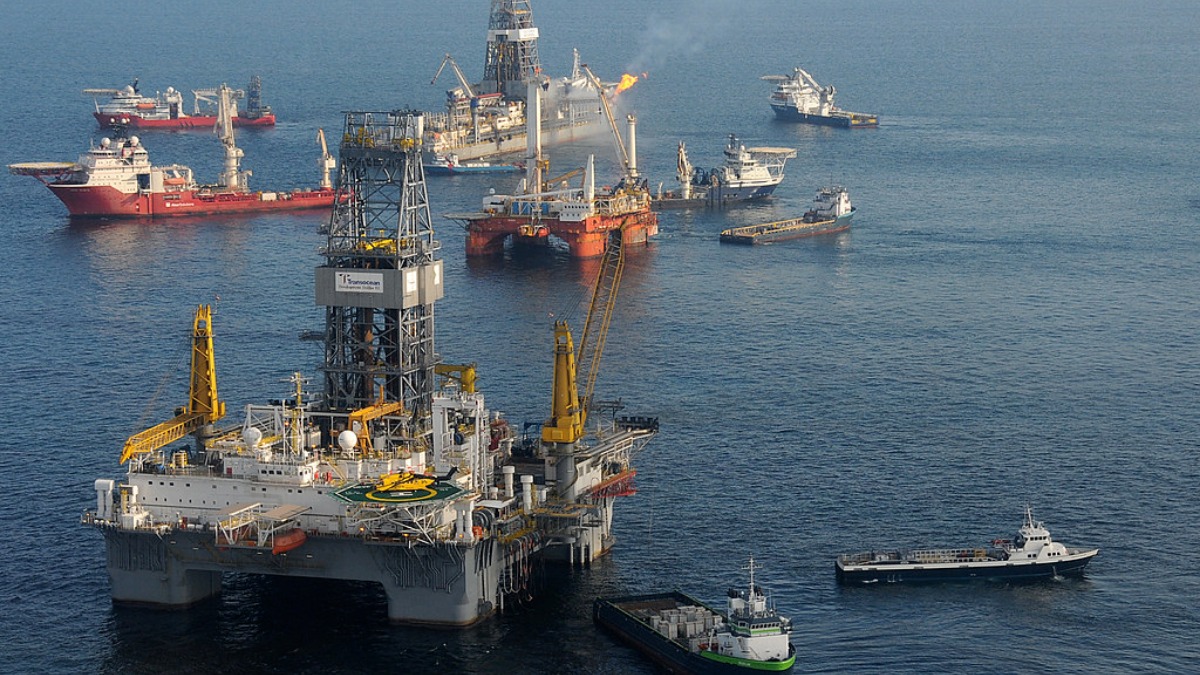
Attention on Friday turned to the White House, where Trump was meeting with senior US oil executives to discuss potential investments in Venezuela. The president said he expected at least $100bn in commitments, with executives from companies including Exxon Mobil, ConocoPhillips, and Chevron expected to attend the meeting. The push follows earlier claims by Trump that the US had effectively secured access to Venezuela’s vast oil wealth, assertions that have already drawn scrutiny from economists questioning whether that wealth is as accessible or lucrative as portrayed.
White House spokesperson Karoline Leavitt described the gathering as a discussion about the “immense opportunity” facing oil companies. Venezuela holds roughly one-fifth of the world’s oil reserves, but years of sanctions and underinvestment have reduced its output to about one percent of global crude production in 2024.
Trump has argued that restoring Venezuelan production could benefit the US by increasing supply and lowering domestic fuel prices. His comments come as US Energy Secretary Chris Wright said earlier this week that Washington would control the country’s oil industry “indefinitely,” a claim disputed by Venezuela’s acting interim president Delcy Rodriguez, who has insisted her government remains in charge.
The political approach has also appeared to shift. Trump had recently dismissed opposition leader Maria Corina Machado as lacking support inside the country, but later indicated in a television interview that she would travel to Washington next week. At the same time, he told a newspaper that the US was “getting along very well” with Rodriguez’s interim government.
Despite the scale of the proposed investment, significant obstacles remain for US oil companies. Chevron is currently the only US firm licensed to operate in Venezuela, while Exxon Mobil and ConocoPhillips exited the country in 2007 after refusing to cede majority control of their operations.
The evolving situation in Venezuela comes amid broader geopolitical tensions involving US energy and maritime interests, including a recent incident in which the seizure of an oil tanker intensified US-Russia relations and raised concerns about escalation.





Published: Jan 11, 2026 05:15 am