





Inflation in the US jumped last month, reaching its highest rate in nearly two years. This rise comes as surging oil prices, tied directly to the US-Israel war in Iran, are starting to hit consumers hard. The Labor Department reported that consumer prices rose 3.3% over the 12 months leading up to March, up from 2.4% in February, marking the biggest monthly change since 2022, when Russia’s invasion of Ukraine triggered a global energy crisis.
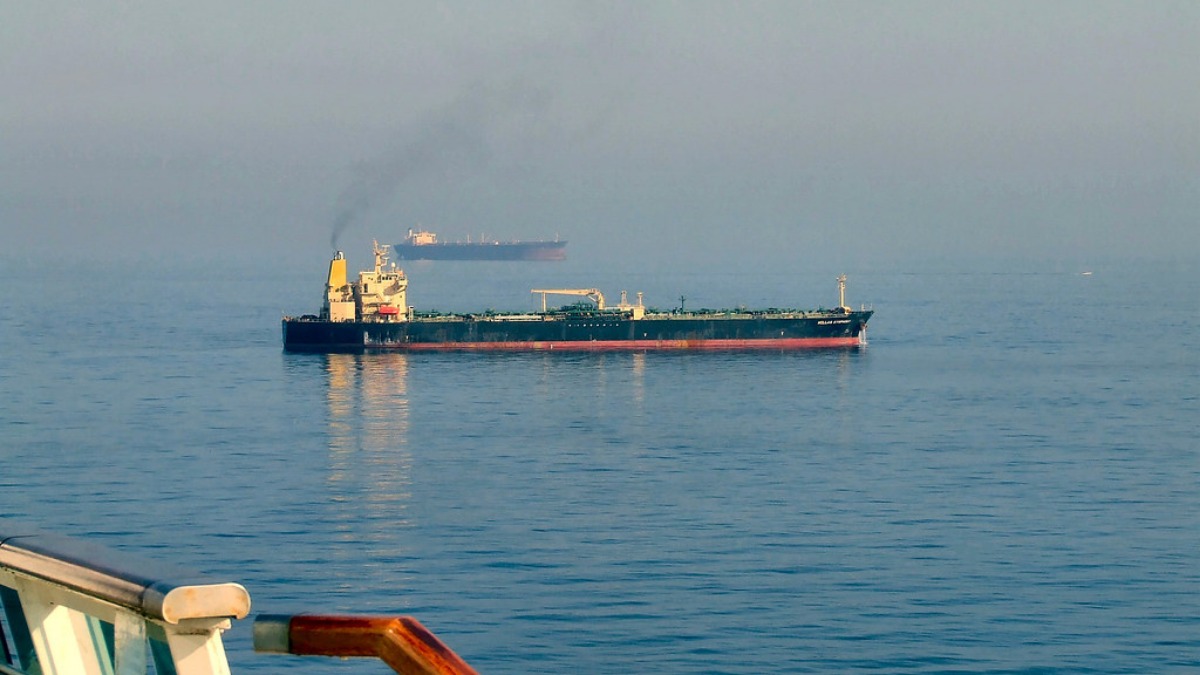
The main driver behind this latest surge is a massive spike in gas prices, especially after the war caused the Strait of Hormuz to shut down, sending oil prices soaring. Gas prices rose 21.2% from February to March, which is the largest monthly increase since the government started tracking these figures in 1967. Fuel oil prices also jumped more than 30%, their biggest surge since February 2000.
According to the BBC, these higher gas prices are responsible for nearly three-quarters of the overall inflation rise from February to March. Beyond fuel, airline tickets and clothing also got more expensive. Food prices stayed the same from February to March, but analysts warn they could start rising in the coming months as higher transportation and fertilizer costs begin to take effect.
The war’s economic impact is hitting everyday Americans hard, and public frustration is growing
Annel Villegas, 23, described the cost as “terrible.” “I drive a truck, so I fill it up every half tank, and now it’s like, $70, $80,” she said. She is now trying to limit her driving because of soaring gas prices. “I have to do what I have to do to live,” Villegas said. “I’m just dealing with whatever it brings to me – so, paying more.”
States like California are feeling the impact even more, as gas prices there were already higher than the rest of the country. Last Thursday, the average price for a gallon of gas in California was $5.93, compared to a national average of $4.16, according to the American Automobile Association.
Rosa Cano, 37, said her last fill-up for her Jeep cost around $140, up from her usual $80. “I’m wondering why we’re in this war,” Cano said. “It is unnecessary. As a country, we should make better decisions.” The Strait of Hormuz is a critical passageway not just for oil, but also for natural gas, fertilizer, aluminum, and helium.
The US exports more oil than it imports, but the full picture is messier. Millions of barrels still flow in daily, with Gulf nations supplying nearly a tenth of that total last year. According to The Guardian, the culprit is aging refineries built for heavier crude, ill-matched to the lighter oil America mostly pumps.
Its shutdown has disrupted global supply chains. While there have been some talks between the US and Iran, analysts caution that it could take time for energy supplies to return to normal. Many world leaders are also responding to the situation.
UK Prime Minister Starmer flew to the Gulf following the Iran ceasefire announcement, signaling how seriously global powers are taking the fallout. Oil prices have dropped slightly from their recent highs but are still roughly 30% more expensive than before the conflict began.
This situation has pushed the University of Michigan’s monthly consumer sentiment index to a record low. President Trump has maintained that the jump in energy prices will be short-lived. However, the ceasefire terms Trump’s side agreed to paint a more complicated picture than his victory declaration suggests.
White House spokesman Kush Desai pointed to declines in prescription drug prices and everyday items like eggs, writing that “The American economy remains on a solid trajectory thanks to the Administration’s robust supply-side agenda of tax cuts, deregulation, and energy abundance.”
Some analysts see a positive sign in the fact that core inflation, which excludes food and energy, rose a more modest 2.6%. “Headline inflation is being driven higher by a temporary energy shock, but underneath the surface, core inflation continues to move in the right direction,” said Adam Schickling, a US economist at Vanguard.
Arielle Ingrassia of UK wealth manager Evelyn Partners added, “For now, this looks like an energy-led re-acceleration with contained spillovers, rather than a fully entrenched second-round inflation dynamic. However, if energy prices remain elevated, the risk is that these effects broaden over time through costs, pricing and ultimately inflation expectations.”
Still, the situation has ended hopes for many on Wall Street who were expecting the US central bank to lower interest rates this year. Atakan Bakiskan, a US economist at Berenberg, noted, “Transitory is the hope, but Fed officials will think twice before telling the public they expect inflation to be transitory, after having misjudged post-pandemic inflation and mislabelled it as such.”








Published: Apr 11, 2026 07:15 am