



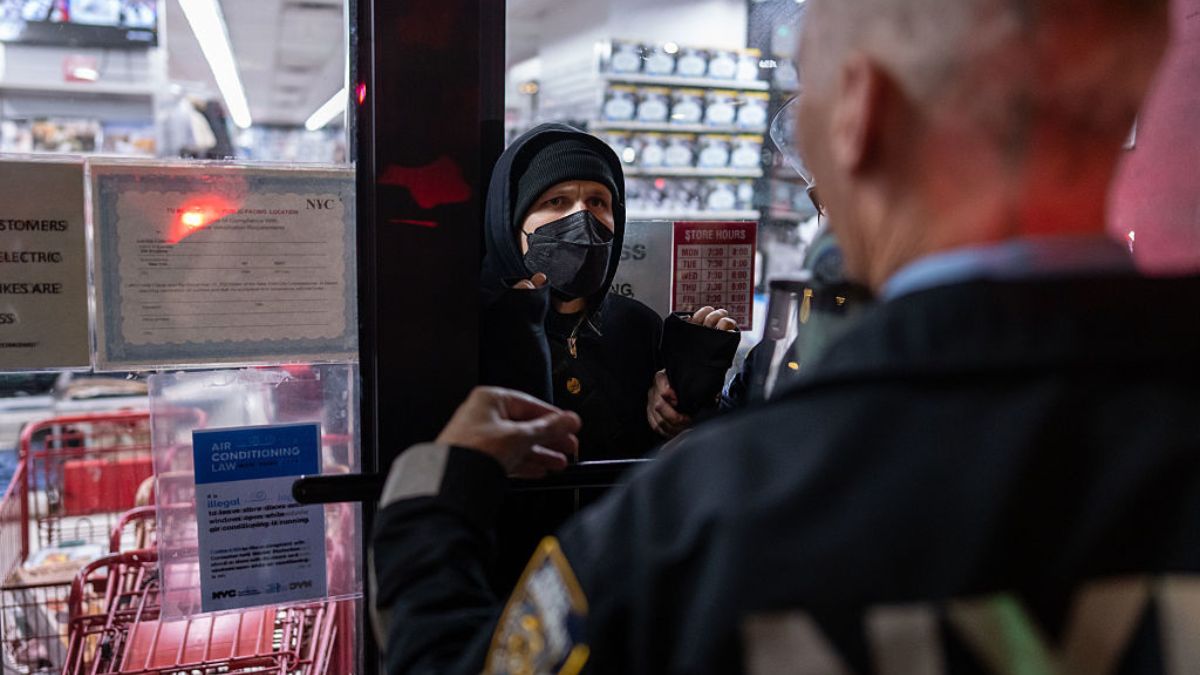

The Trump administration is fighting against a proposal to require Immigration and Customs Enforcement (ICE) agents to wear body cameras. One official called the requirement an “unserious poison pill” demand from Democrats.
This pushback comes after several violent incidents involving federal immigration officers. The most recent was the fatal shooting of Minneapolis resident Renée Good in her SUV this month. In many use-of-force cases, witness accounts and official reports often conflict, making video footage important for finding out what actually happened.
The Department of Homeland Security proposed major cuts to the camera program in its budget request for this fiscal year. According to The Washington Post, officials wanted to reduce spending from about $20.5 million to just $5.5 million and cut the camera program staff from 22 people to only three. They said they wanted to “sustain” existing cameras so they could put more resources toward “frontline operations.”
Body camera program remains underfunded despite congressional support
Congressional Democrats and some Republicans are pushing for action. House appropriators allocated about $20 million for cameras for DHS, which oversees both ICE and Customs and Border Protection (CBP). However, the plan does not require officers to actually turn the cameras on, which experts say makes the funding largely pointless.
The current numbers show a big gap in coverage. As of June, ICE only had 4,400 cameras for its workforce of 22,000 agents. CBP has 13,400 cameras for at least 45,000 armed officers, which is still far from complete coverage.
This lack of cameras has real consequences. Officer Jonathan Ross, who was involved in the shooting of Renée Good, was not wearing a body camera. The circumstances surrounding Good’s death raised serious questions about official accounts.
In testimony last month, Ross said he and other ICE officers in his five-state region could not wear cameras because their field office had no written policy for using or storing the footage. Ross admitted he was filming Good with his cell phone shortly before the shooting.
Claire Trickler-McNulty, an ICE official from the previous administration, said, “They’ve gotten so much money, they have more than enough money to do the [camera] program. It seems more like a policy and operational choice not to use body-worn cameras.”
Body camera footage has proven crucial in past cases. In Chicago, the administration accused two people of trying to murder a federal employee by ramming a vehicle. Body camera footage later showed that the agent, Charles Exum, actually rammed their vehicle, pointed his gun at them, threatened them, and shot one person five times.
The charges were dismissed after the video surfaced. Deborah Fleischaker, a former top DHS official, said the cameras “protects both the law enforcement officers and the people they interact with.” This issue adds to growing concerns about the administration’s policies, similar to controversies over Trump’s recent Greenland and trade threats that have complicated international relations.




Published: Jan 25, 2026 03:15 pm