



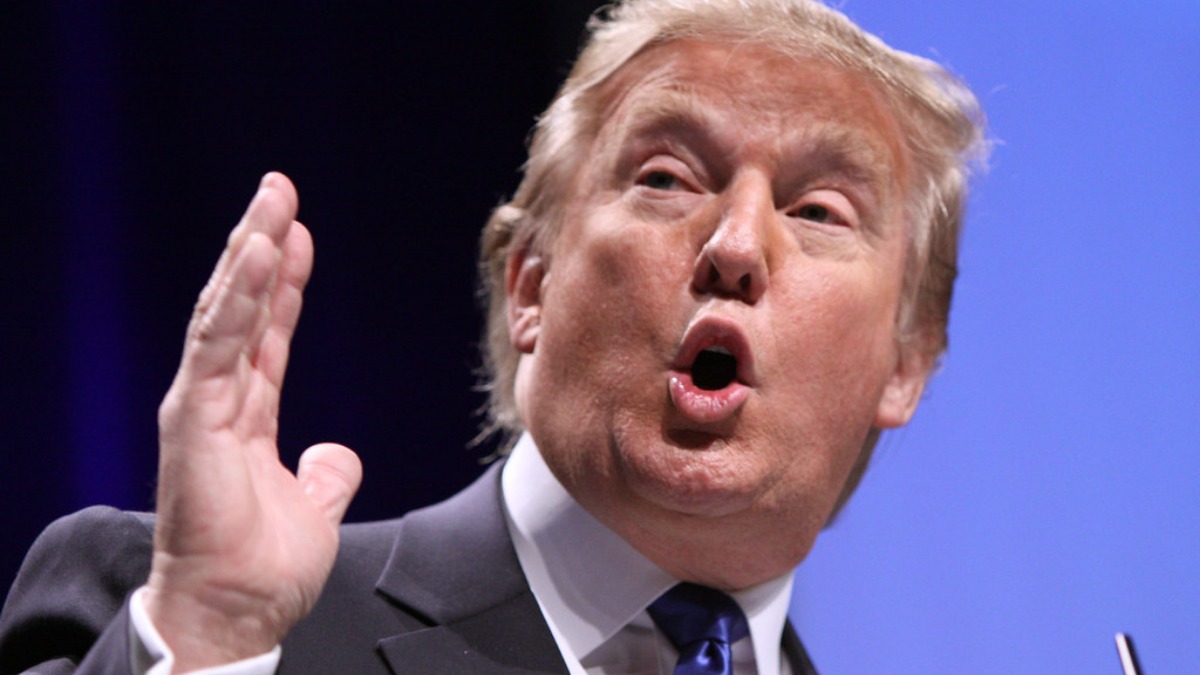

A majority of Supreme Court justices appeared skeptical of President Trump’s executive order limiting birthright citizenship during oral arguments on Wednesday, signaling the court may strike down a central piece of his immigration agenda. The case drew rare personal attendance from the president himself, underscoring the stakes involved. As detailed by BBC News, opponents of the order argue it would upend more than a century of established legal precedent.
For Trump, an adverse ruling would mark a second consecutive setback at the high court, following the decision last month that invalidated his global tariffs, amid ongoing pressure across several fronts including his stated plan to exit the Iran conflict within weeks. A favorable decision would, by contrast, represent a major win on one of his signature campaign pledges. The justices are expected to issue a ruling in June, and it would be the first major immigration case decided on its merits since Trump began his second term.
U.S. Solicitor General John Sauer argued over more than two hours that the 14th Amendment’s phrase “subject to the jurisdiction thereof” should be read narrowly, applying only to children of diplomats and a small number of other limited groups. He contended that parents in the country illegally retain “allegiance” to their home nations and therefore fall outside U.S. jurisdiction, stating directly that “jurisdiction means allegiance.”
The sharpest skepticism came from justices Trump himself appointed
Chief Justice John Roberts, a key swing vote and a Trump appointee, questioned how the administration could justify excluding such a large class of children from citizenship. Justice Elena Kagan argued the administration was seeking to undo a birthright citizenship tradition rooted in English common law, one that the 14th Amendment adopted without limitation. Both liberal and conservative justices pointed to the 1898 ruling in United States v. Wong Kim Ark, which upheld citizenship for a child born in San Francisco to Chinese immigrant parents who were permanent residents.
The Wong Kim Ark decision established that a child born in the U.S. to non-diplomatic foreign parents who had established permanent domicile here was “subject to the jurisdiction thereof” under the 14th Amendment and therefore a U.S. citizen. Justice Brett Kavanaugh, another Trump appointee, acknowledged the precedent’s weight, telling the Solicitor General that agreement on how to read Wong Kim Ark could resolve the case in a narrow opinion. ACLU attorney Cecillia Wang, representing the plaintiffs, cited the ruling directly in arguing the executive order should be overturned.
Immigration law expert Stephen Yale-Loehr noted that the court may avoid the constitutional question altogether, pointing to a 1952 law passed by Congress that codified birthright citizenship as a potential statutory basis for invalidating the order. He observed that the court generally avoids constitutional rulings when a statutory basis is available.
After leaving the court, Trump posted on X that the U.S. was “the only Country in the World STUPID enough to allow ‘Birthright’ Citizenship.” At a White House Easter luncheon later that day, he said the citizenship clause was passed after the Civil War for “the babies of slaves” and was not intended for other groups, remarks that drew immediate criticism. The same day, Trump separately reiterated his view that NATO functions as a paper tiger that adversaries have long recognized as such, comments made in a separate address that drew their own round of responses from allies.




Published: Apr 2, 2026 11:30 am