



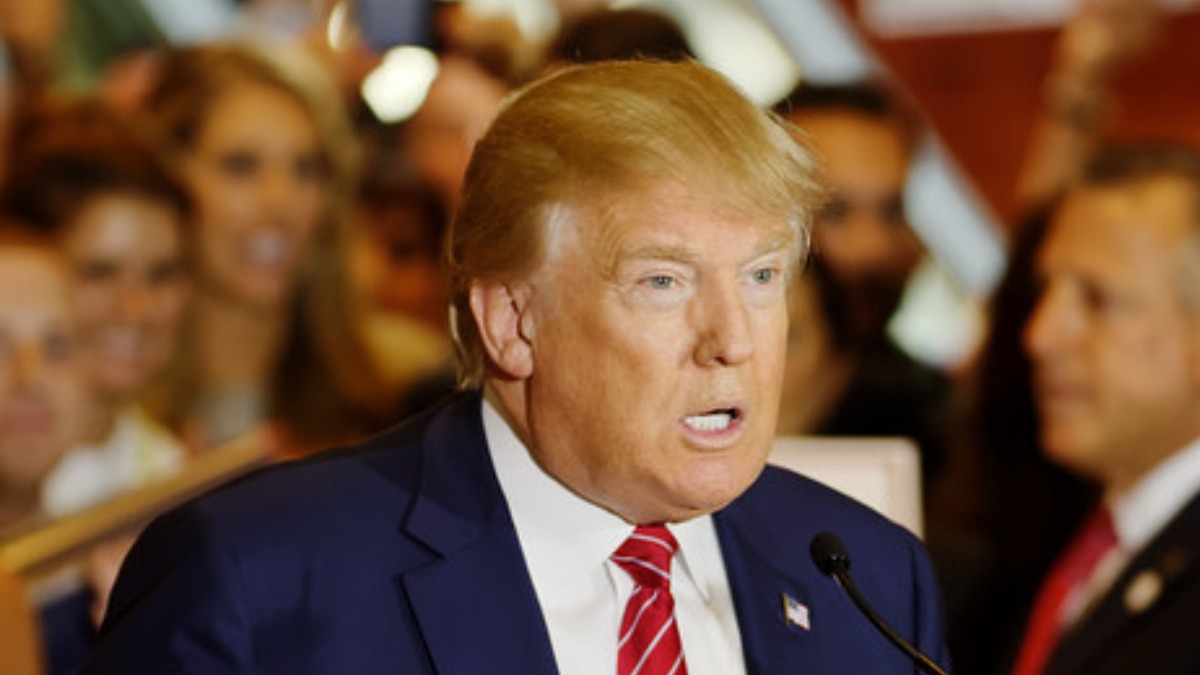

President Donald Trump’s personal phone number is reportedly being sold on Washington’s black market, and it is starting to scare his own aides. The White House has received multiple reports in recent weeks that the president’s personal contact information has been offered for sale to wealthy individuals looking for influence.
According to The Atlantic, one administration official called the situation “wild,” noting that CEOs are offering cash and “crypto bros” are putting up cryptocurrency to get the number. Reporters are also trading contact information for other world leaders, sometimes dozens of them, just to get the president’s number.
Another official described the situation as “out of control,” like a “wrecking ball.” This 10-digit number is seen as a hot commodity because it can move financial markets, drive news cycles, and even shift policy. At the start of Trump’s second term, the number was a closely guarded secret held by only a few close friends and a handful of journalists.
The chaos is hurting the government’s ability to send a clear message to Americans
Now, so many people are calling his private iPhone that his advisers have largely given up trying to keep track. Sometimes, Trump leaves his phone face up during meetings, letting staff see the constant stream of incoming calls from unsaved numbers.
The calls get especially intense after a reporter publishes a scoop based on a conversation with the president, which acts like a signal to every other journalist in Washington. “Ten reporters will call in a matter of two hours,” one official explained. This flood of calls makes it very hard for the government to present a clear and consistent message.
Despite the chaos, Trump’s advisers are not planning to step in. One official noted, “He enjoys it,” adding that “He knows how to handle the press.” White House spokesperson Anna Kelly stated that Trump is “the most transparent and accessible president in history,” and that “the press can’t get enough of Trump, and they know it.”
Trump’s foreign policy moves have also kept him at the center of global attention, as seen in his secret negotiations with Cuba that left many observers baffled. There are real fears inside the West Wing, though. One major concern is that someone might give Trump bad information or sell him on a conspiracy theory, forcing aides to clean up the mess afterward.
Another worry is that the president will waste time on meaningless questions, distracting from the White House’s key messages. In recent calls, reporters have asked Trump for his opinion on his son-in-law Jared Kushner, and whether his decision to launch a massive air attack on Iran would win him the Nobel Peace Prize. “I don’t know,” Trump reportedly responded, “I’m not interested in it.”
After the U.S. strikes on Iran, Trump answered over three dozen calls from journalists representing at least a dozen different outlets. His inconsistent answers created confusion, which seemed to lead to even more calls. He told one outlet on the first day that he could end the war “in two or three days.” He told another publication the next day that “we intended four or five weeks.”
More than a week after the bombs began dropping, he declared that “the war is very complete, pretty much,” which moved oil prices and U.S. stock markets. For more context, Trump’s military strikes on Iran’s key oil facilities had already been raising serious global alarm.




Published: Mar 15, 2026 10:15 am