



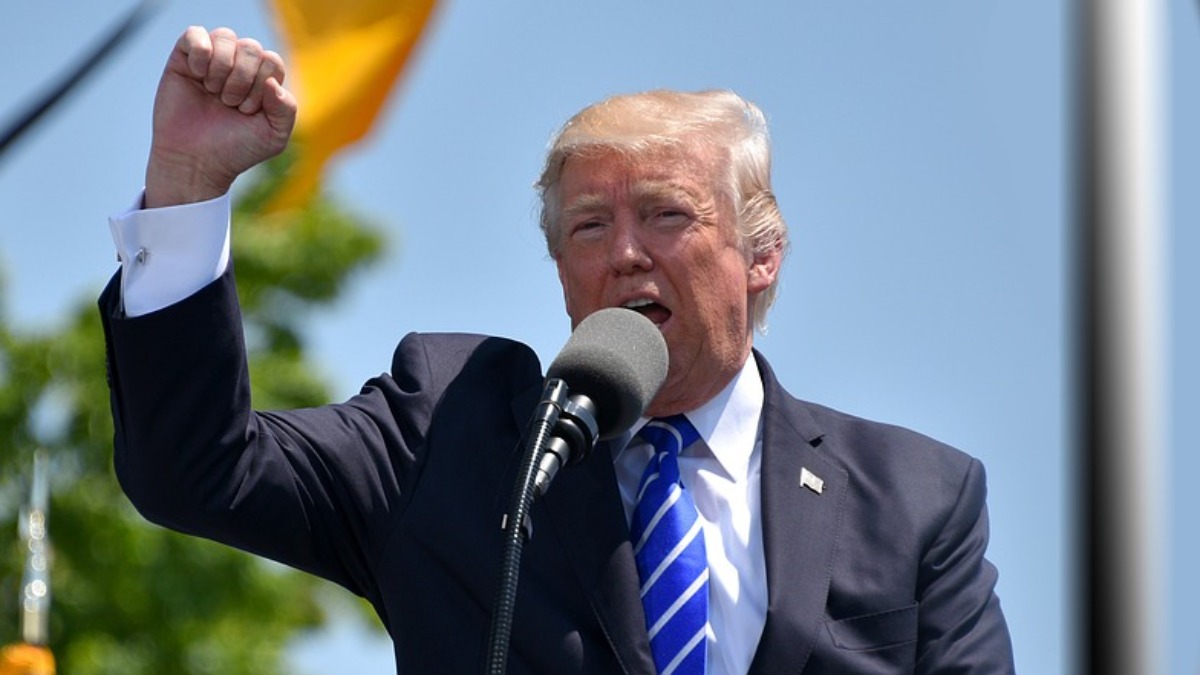

The Trump administration is launching a new wave of trade investigations targeting China, Mexico, the European Union, and more than a dozen other economies after the Supreme Court ruled President Donald Trump’s earlier reciprocal tariffs illegal. As reported by CNBC, the new probes will move forward under Section 301 of the Trade Act of 1974, which allows the U.S. to impose tariffs on imports from countries found to be engaging in unfair trade practices.
U.S. Trade Representative Jamieson Greer said the investigations will examine acts, policies, and practices tied to structural excess capacity and production in manufacturing sectors. Treasury Secretary Scott Bessent also said last week that tariff rates could return to prior levels within months through other legal authorities that he described as slower moving but more durable.
The shift follows the Supreme Court’s 6-3 ruling on February 20, which found that Trump did not have the authority under the International Emergency Economic Powers Act to impose those earlier duties. Within hours of that decision, Trump signed an executive order creating a temporary 10% global tariff under Section 122 of the Trade Act, though that authority expires after 150 days.
The White House is rebuilding its tariff case
Greer said the president’s trade policy remains centered on protecting American jobs and securing what the administration considers fair treatment from trading partners. He said the Section 301 probes are expected to uncover unfair trading practices tied to excess capacity and persistent trade surpluses, with the findings potentially leading to new tariff action, amid Georgia runoff politics.
In addition to China, Mexico, and the European Union, the economies under investigation include Japan, India, Taiwan, Vietnam, South Korea, Singapore, Switzerland, Norway, Indonesia, Malaysia, Cambodia, Bangladesh, and Thailand. Greer also indicated that more country-specific Section 301 investigations and other trade tools could follow.
The Section 301 process requires the U.S. Trade Representative’s office to collect written comments, hold a public hearing, and consult with the trading partners involved before presenting its findings. If the office determines that responsive action is warranted, the administration could move forward with tariffs, fees on services, or other measures, while Pentagon spending questions remain in focus.





Published: Mar 12, 2026 05:45 am