



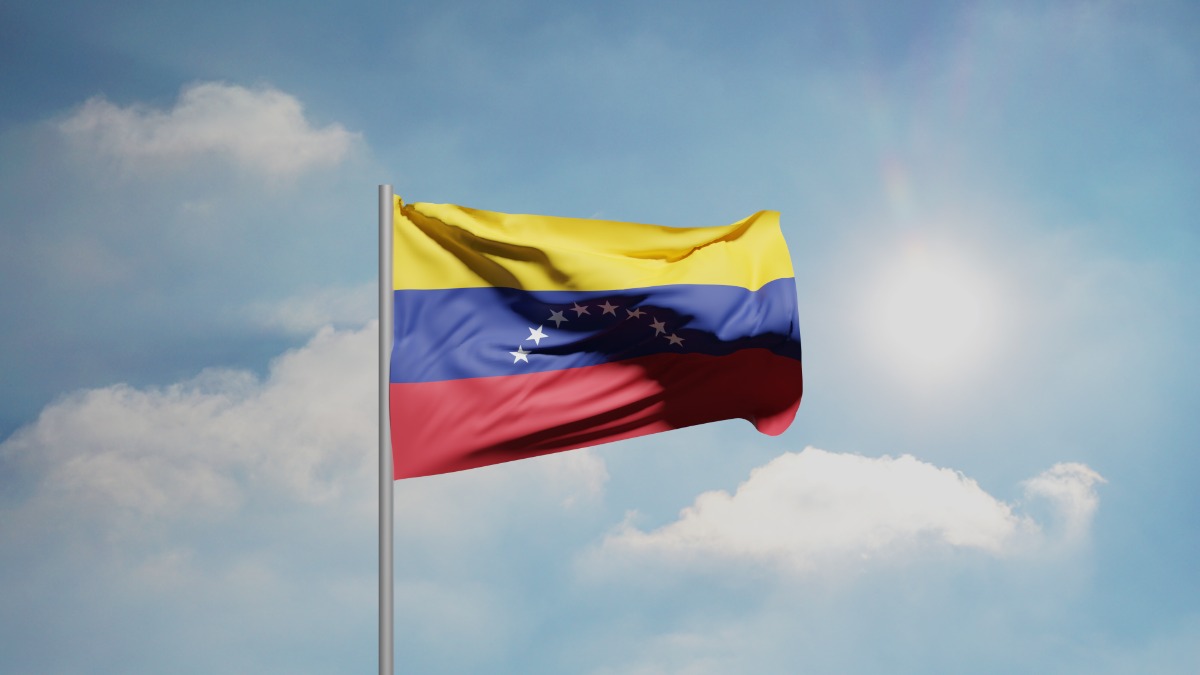

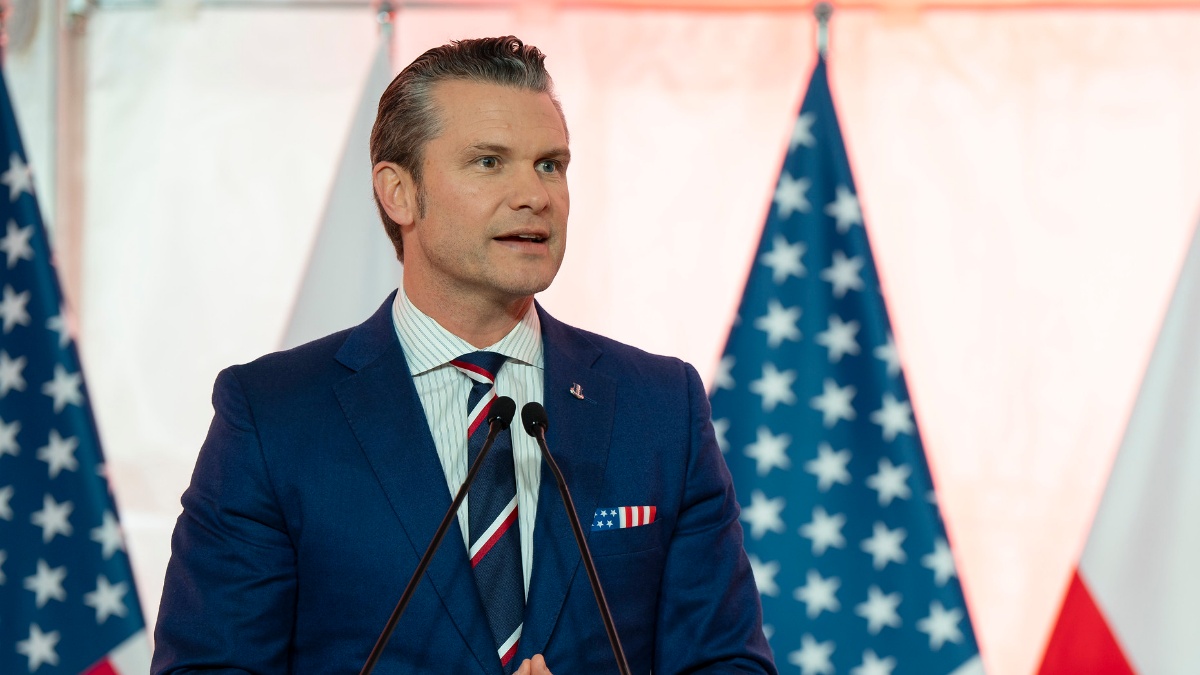
The United States is expanding its economic ambitions in Venezuela beyond oil, turning its attention to the country’s vast reserves of critical minerals that could shape the global technology race. As detailed by The New York Times, U.S. Interior Secretary Doug Burgum recently traveled to Caracas to push for greater access for American mining companies.
Burgum’s two-day visit included meetings with Venezuela’s interim leadership and representatives from roughly two dozen U.S. mining firms. The delegation reflects how seriously the Trump administration is treating the effort to secure minerals considered essential for electronics, renewable energy systems, and advanced technology manufacturing.
The visit is part of a broader diplomatic push as Washington works to reopen Venezuela’s economy to American investment. U.S. officials including Energy Secretary Chris Wright, Southern Command chief Gen. Francis Donovan, and CIA Director William Burns have also visited Caracas in recent weeks as relations between the two countries begin to thaw.
Washington is now targeting Venezuela’s critical minerals
Venezuela’s interim government, led by Delcy Rodríguez, has signaled strong interest in accelerating the partnership. Rodríguez said lawmakers will soon receive a mining proposal that would allow foreign companies to extract gold, diamonds, and rare earth minerals while promising to move at what she described as “Trump speed.”
The announcement came as the State Department confirmed the United States and Venezuela are re-establishing diplomatic and consular relations, as the DHS funding vote also moved through Washington. Around the same time, Venezuela’s state mining company reached a deal with commodities firm Trafigura to sell up to 1,000 kilograms of gold valued at more than $100 million.
President Donald Trump has made securing global supplies of critical minerals a central priority. The administration has pursued similar agreements with countries including Ukraine and Australia while exploring opportunities in Greenland, reflecting a wider strategy to compete with China’s dominance in rare earth mining during Kristi Noem’s firing and a broader reshuffling inside the administration.
China currently mines roughly 70 percent of the world’s rare earth minerals, materials essential for electronics, batteries, and advanced defense technologies. Venezuela holds major untapped deposits of gold, bauxite, tungsten, and coltan, which is widely used in capacitors found in smartphones and laptops.
The mineral push follows Washington’s earlier move to take control of Venezuela’s oil industry after the capture of former president Nicolás Maduro on January 3. Since then, the Trump administration has generated more than $1 billion in oil sales while working to reverse years of declining production.
Expanding mining operations could prove more difficult than restoring oil output. Many of Venezuela’s mineral deposits are located deep in southern rainforest regions, where development raises environmental concerns and would likely require new regulations to attract foreign investment.
Illegal mining also remains a major obstacle. Criminal networks operate large-scale extraction sites across Venezuela’s jungle regions, leaving polluted waterways and deforested land behind.
Watchdog groups say illegal mining has contributed to severe environmental damage and the displacement of Indigenous communities. Analysts say reviving the sector would require large investments, stronger transparency laws, and tighter environmental oversight.








Published: Mar 6, 2026 03:00 pm