



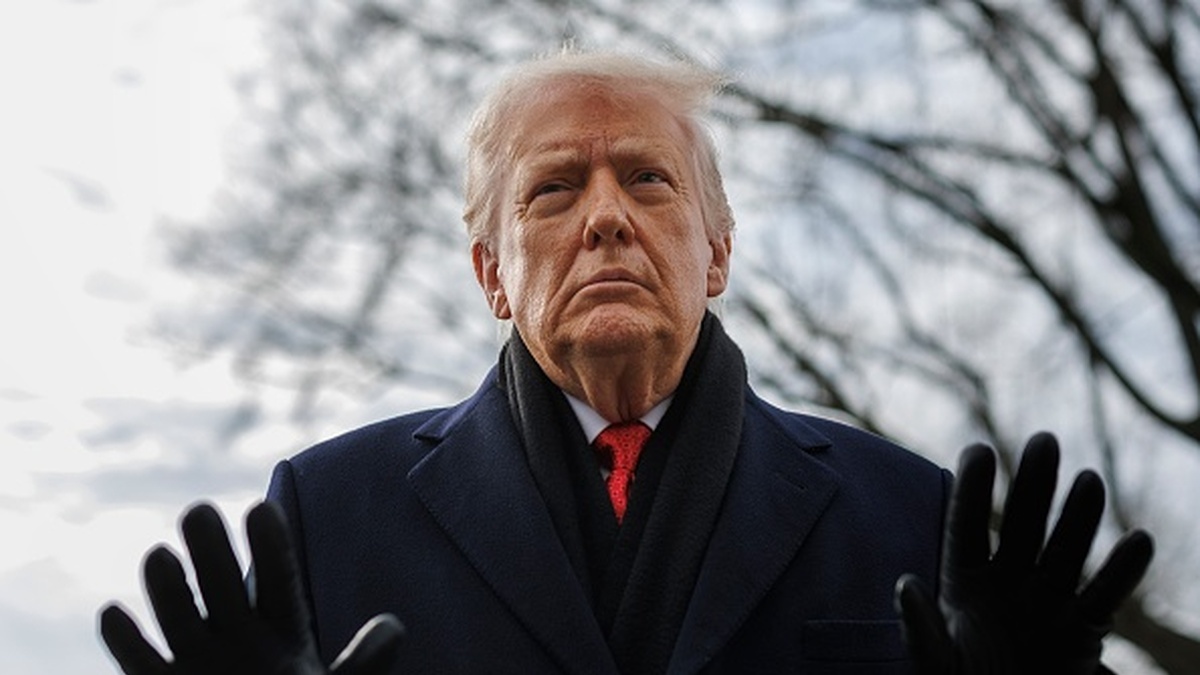

President Trump dismissed climate change on Friday, pointing to a massive winter storm heading toward the U.S. as proof that the planet isn’t warming. He posted on social media about a “Record Cold Wave expected to hit 40 States” and asked, “Could the Environmental Insurrectionists please explain, WHATEVER HAPPENED TO GLOBAL WARMING???”
According to Time, Forecasters warn that this storm could be devastating. It’s bringing damaging ice, heavy snow, and strong winds that are expected to impact more than 230 million people across the country from Friday through Monday. At least 14 states and Washington, D.C., have declared a state of emergency due to concerns about power outages and dangerous travel conditions.
The idea that brutal winter weather disproves climate change is a major misconception. Scientists have to explain the difference between day-to-day weather and long-term climate every time a big storm hits. Christopher Callahan, a professor of climate science, pointed out how often he has to make this explanation.
Scientists explain why cold weather doesn’t cancel out global warming
“As a proud ‘environmental insurrectionist,’ it’s frustrating to have to explain this every winter,” he said. “The Earth still has seasons, and we’re going to have winter weather no matter what happens with climate change.” The planet is tilted on its axis, which creates seasons.
When the northern hemisphere faces away from the sun, we get winter. This basic fact doesn’t change even when overall global temperatures are rising. Trump has been making headlines recently with his message to the French president amid international tensions.
Climate change is a long-term trend, while weather is what happens on any given day. Callahan explained that you can have ups and downs around a longer-term increase in temperature. “So it’s totally reasonable for us to still have individual storms or individual weather events even though, overall, the planet’s climate is warming,” he noted.
Climate change is actually leading to shorter and milder winters on average. However, we’re also seeing more frequent and intense extreme weather events, including heat waves, severe floods, droughts, and massive wildfires. The president’s recent foreign policy decisions, including a sanctions move involving the UK, have also drawn attention.
Scientists agree that a warmer atmosphere carries more moisture. For every degree the air gets warmer, it can hold about seven percent more water. This affects extreme rain events in summer, but it also impacts winter storms, leading to heavier snowfall when cold systems move through.








Published: Jan 24, 2026 01:45 pm