



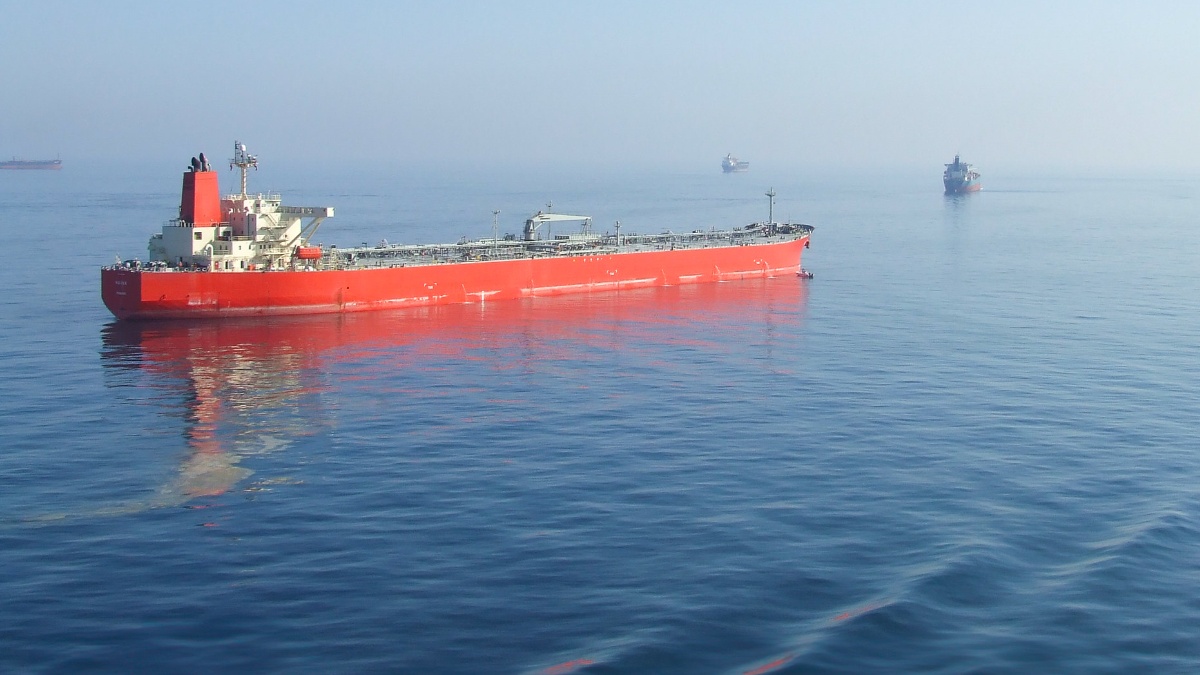

Oil prices are absolutely surging right now as tanker traffic near the critical Strait of Hormuz is getting disrupted, sparking major worries about global supply shortages from the Persian Gulf. This is happening as U.S. and Israeli attacks on Iran are unfolding, raising many questions about the war’s impact on the world economy.
According to ABC News, U.S. oil prices have jumped a massive 8.4%, hitting $72.63 per barrel. Meanwhile, the international standard, Brent crude, is up a significant 8.5% at $79.13 per barrel. This is critical because it implies costlier gasoline for drivers in the U.S. and raised prices of other goods too, at a time when many are feeling the pinch of inflation.
The Strait of Hormuz, which sits at the southern end of the Persian Gulf, is a crucial choke point, with a staggering 20% of the world’s oil supply passing through it. Tanker traffic has dropped because satellite navigation systems are hit. The UK Maritime Trade Operations Centre has warned about attacks on several vessels in the area.
This is how the war on Iran affects everyone
Recently, a Marshall Islands-flagged oil tanker was hit by a bomb-carrying drone boat in the Gulf of Oman, tragically killing one mariner. Iran is believed to be behind multiple attacks and has been threatening vessels approaching the Strait of Hormuz. Saudi authorities also reported intercepting Iranian drones that attacked the Ras Tanura oil refinery near Dammam, forcing the refinery to shut down as a precaution.
Though there are pipelines that can bypass the Strait, they don’t have the capacity to move all the oil. Countries like Iraq, Saudi Arabia, and the U.A.E. rely heavily on tankers passing through the Strait to get the bulk of their oil to global markets. Completely blocking the Strait would hurt Iran too, since all of its 1.6 million barrels per day also pass through there, mostly heading to China where refineries aren’t as worried about U.S. sanctions.
The Strait is also a key route for liquefied natural gas (LNG). In a stark development, QatarEnergy announced it would stop its LNG production, taking one of the world’s top suppliers off the market as the Mideast conflict intensifies.
The price of crude oil is the single biggest factor in what we pay at the pump, which is always a hot-button issue, especially with midterm Congressional elections on the horizon. Gas prices were already creeping up ahead of the summer driving season when everyone tends to travel more. The national average for a gallon of regular went up by more than 5 cents last week, hitting $2.98.
While higher crude prices have less impact in Europe due to taxes making up most of the fuel cost, increased energy costs can still ripple across the entire economy. Holger Schmieding, chief economist at Berenberg bank, suggests that a sustained rise of $15 per barrel could add half a percentage point to consumer prices in Europe.
Analysts initially expected a $5-$10 per barrel increase just from the “fear factor” of war breaking out, and some of those concerns were already priced in. However, long-term disruption to ship traffic in the Strait or damage to oil infrastructure in other Gulf countries could send prices soaring even higher. Conversely, a quick resolution with easily reversible disruptions might mean this current price spike won’t last.
Schmieding emphasized the key question is whether the Strait of Hormuz will be effectively closed for oil and gas exports for more than a few weeks. He believes President Trump will try to prevent a lasting surge in energy prices, especially with midterm elections looming in November. He forecasts prices returning to $65-$70 per barrel after this near-term spike.







Published: Mar 2, 2026 06:15 pm