



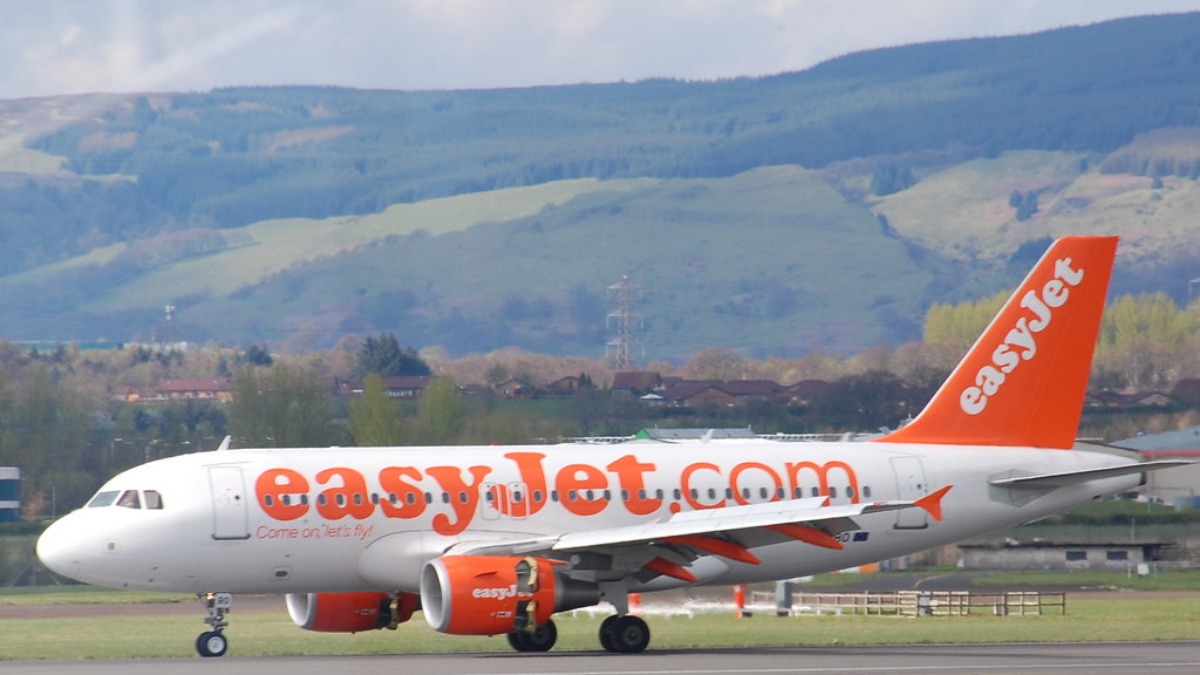

A total of 122 passengers were left stranded in Italy after their easyJet flight to Manchester departed with only 34 people on board. The incident occurred at Milan Linate and has drawn attention to the chaotic early rollout of the European Union’s new entry-exit system, known as EES, as first highlighted by LADbible.
A family of three from Leeds, returning from a skiing trip, arrived at the airport three hours before their scheduled departure. Despite that buffer, they were initially blocked from entering passport control because their departure gate had not yet been assigned. By the time they made it through the process, the plane had already left and their luggage had been removed from the aircraft.
Max Hume, a 56-year-old passenger caught in the same situation, described the scene at the terminal as deeply inefficient. He noted that only two officers and one biometric machine were in use despite roughly 16 machines being available and unused nearby, with every traveler required to complete a face scan, passport scan, and fingerprint registration. The result, he said, was a queue moving at a snail’s pace.
The EES system was designed to speed up border crossings, but the launch has done the opposite
The EES was officially launched on Friday, April 10, replacing manual passport stamps with a digital registration process. According to the official EES website, the system records travel document data, names, and biometric information for the roughly 1.3 billion travelers who enter or leave the Schengen Area each year, with the promise that future visits will be faster once data is already on file. The system is now live across 29 countries, including France, Spain, Greece, and Italy.
EasyJet said it held flight EJU5420 for nearly an hour to accommodate delayed passengers before the crew reached their safety-regulated operating hours, forcing departure. A spokesperson for the airline noted that EES processing is handled entirely by border authorities and is outside the airline’s control, and called on those authorities to make better use of available flexibilities to prevent delays of this kind. The European Commission has been contacted for comment.
The Leeds family, unable to wait five days for the paid rescue transfer easyJet initially offered at 110 pounds per person, had to arrange their own route home. They flew from Milan to Luxembourg, stayed overnight in a hotel, and caught a connecting flight to Manchester the following morning, a detour that cost roughly 1,600 pounds and added around 24 hours to their journey. When Max Hume sought assistance, he was told the airport process was not the airline’s responsibility.
Travelers heading to any of the 29 countries currently using EES should expect the possibility of long queues at passport control, as border processing delays continue to generate unexpected costs for travelers at Coachella this week as well. The EES rollout has also drawn scrutiny in the context of broader travel disruption, including the collapse of US-Iran nuclear talks that have unsettled international flight demand across European hubs.









Published: Apr 13, 2026 10:45 am