



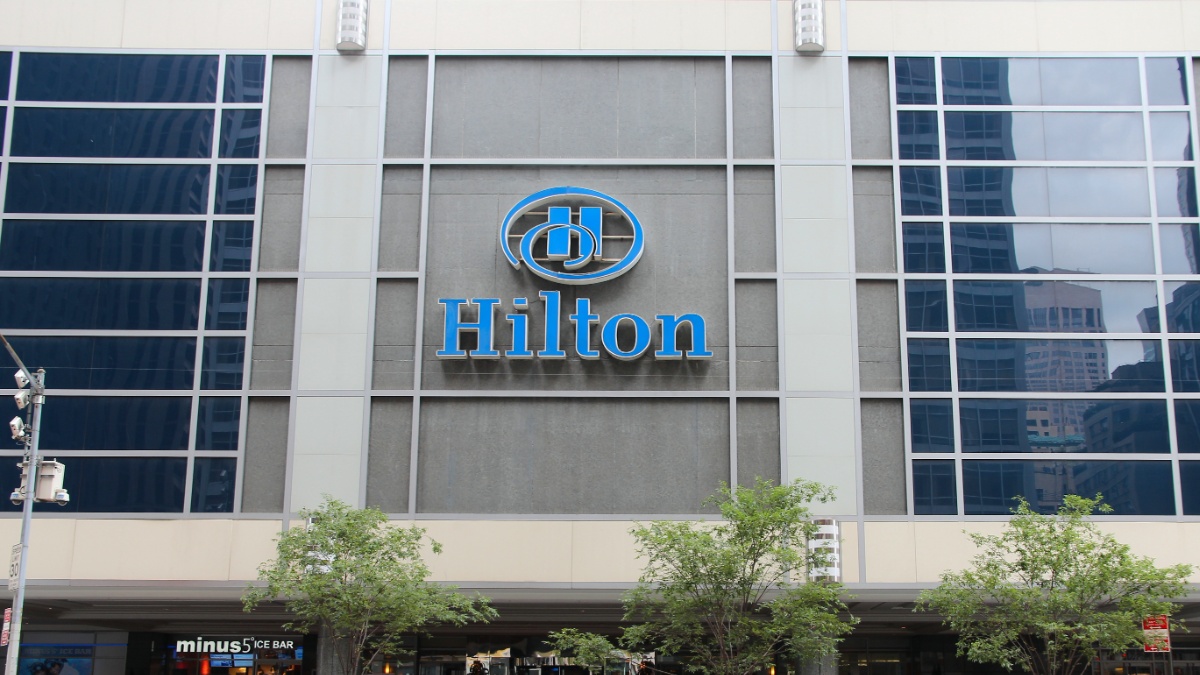

The Department of Homeland Security (DHS) is engaged in a public dispute with Hilton. This comes after the hotel chain was accused of refusing to house Immigration and Customs Enforcement (ICE) agents, a situation that has unexpectedly pushed the rarely cited Third Amendment into online discourse.
As noted by Daily Dot, the conflict escalated after the official DHS’s X account accused Hilton of participating in a “coordinated campaign” to deny lodging to DHS personnel, specifically alleging that reservations were canceled for agents in Minneapolis. The post drew attention for its aggressive tone and for framing the dispute as an intentional effort to obstruct the agency’s immigration enforcement mission.
DHS further claimed that Hilton “maliciously CANCELLED” reservations made through official government email accounts. Then things further when DHS questioned why the company would “side with murderers and rapists,” language that sparked criticism for targeting a private business from an official government platform.
The fallout has turned into a constitutional meme factory
Hilton responded by stating that the Minneapolis hotel referenced by DHS was independently owned and operated. The company said the property owner had assured them the issue was addressed and that the problem had been resolved, distancing the brand from the alleged refusal to accommodate agents.
The situation intensified when far-right commentator Nick Sortor released a video claiming he visited the Minnesota hotel and found that DHS agents were still being denied rooms. Following the renewed attention, Hilton reportedly revoked the hotel’s license to operate under its brand and removed the property from its internal systems, turning what might have been a routine customer service dispute into a brand-level crisis.
Amid the confusion over whether the issue stemmed from deliberate action or staff error, public attention shifted to the Third Amendment. The amendment, one of the least litigated provisions of the U.S. Constitution, prohibits the government from forcing citizens to house soldiers without consent, and its sudden relevance mirrors other viral moments where obscure issues become internet flashpoints, such as a brief appearance in Swift’s documentary unexpectedly boosting a French winemaker’s business.
Although ICE agents are not classified as soldiers and no formal state of war exists, online commentators began drawing parallels between the amendment’s intent and the hotel dispute. Social media users joked about being on the verge of a Third Amendment court case, while others circulated memes referencing historical figures and pop culture to underscore the amendment’s sudden relevance.
Some responses moved beyond humor. Democratic candidate Fred Wellman criticized the DHS post as an “unacceptable use of an official government account” to attack a private business, calling the behavior illegal and urging Congress to address the administration’s actions. The episode joins a growing list of everyday disputes that spiral into national conversations, much like a recent restaurant complaint that drew outsized scrutiny over a single steak order with weird texture.





Published: Jan 8, 2026 05:30 am