



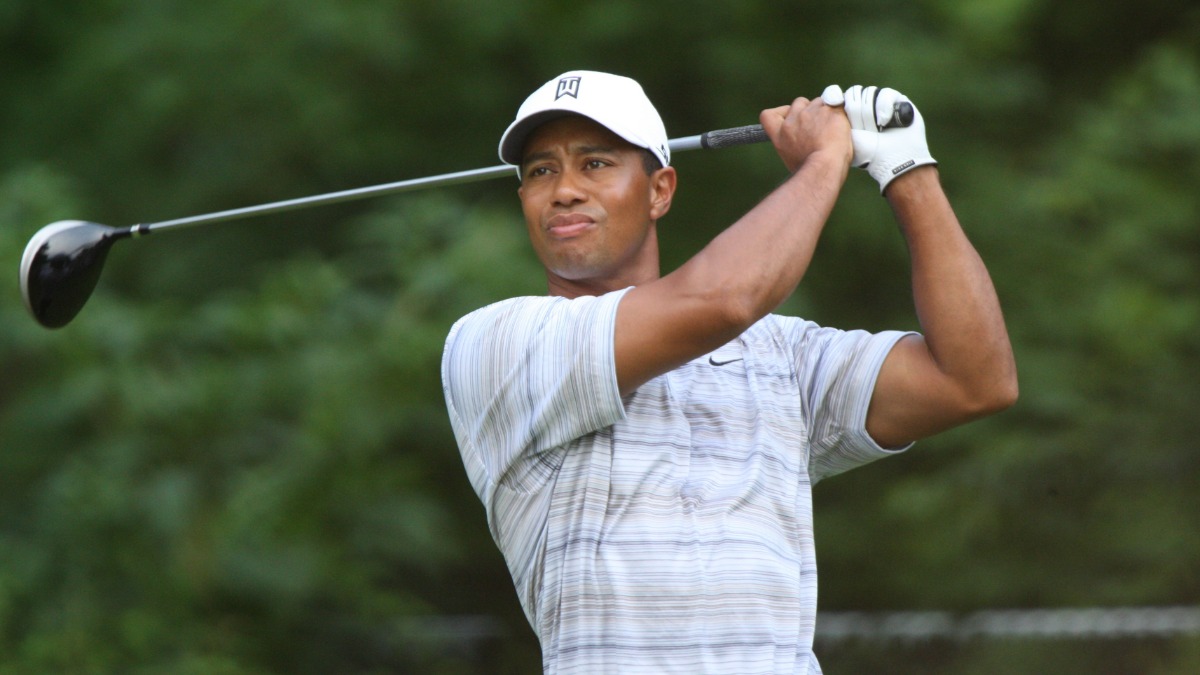

Tiger Woods has broken his silence following his arrest last Friday, March 27, announcing he is stepping away from golf to seek treatment and focus on his health. The incident came to light through UNILAD, which detailed both the crash and the charges that followed. Woods was arrested in Jupiter Island, Florida, about four miles from his home, after his Range Rover clipped the back of a truck while attempting to pass it on a two-lane road, causing the vehicle to roll onto its driver’s side door before sliding to a stop.
When officers arrived, Woods had already climbed out through the window. He was communicating with authorities but appeared “lethargic,” and law enforcement quickly observed signs of impairment. Crucially, alcohol was not suspected. Woods cooperated with a breathalyzer test, which returned a 0.00 reading, confirmed by Martin County Sheriff John Budensiek. No other vehicles were involved in the crash, and no one was injured, including the driver of the truck.
Despite the clean breath test, Woods was still arrested. Officers asked him to submit to a urine test, which he refused. Sheriff Budensiek was direct about the consequence of that refusal: “He cooperated with the breathalyzer, and then the urine he wanted no part of,” adding, “We will never get the definitive results of what he was actually impaired with at the time of the crash.” Woods was charged with DUI with property damage and refusal to submit to a lawful test. He was taken into custody around 3:00 PM ET and released on bond around 11:00 PM ET the same day.
The urine test refusal is doing a lot of the legal heavy lifting here
According to longtime South Florida defense attorney Robert Reiff, the refusal creates a significant hurdle for prosecutors. Without the urinalysis, it becomes difficult to prove Woods was under the influence of a controlled substance, which is a key component of a DUI charge under Florida law. The refusal itself, however, is a second-degree misdemeanor in Florida and carries a potential penalty of up to 60 days in jail. Woods reportedly attempted to explain some pre-existing injuries to officers at the scene, referencing previous accidents.
This is his second DUI arrest. The first occurred in 2017, also in Jupiter, when police found him asleep at the wheel of his Mercedes-Benz with the engine running. He pleaded guilty to a lesser charge of reckless driving and was sentenced to a year’s probation along with a DUI first-offender program.
He attributed that incident to an unexpected reaction to prescribed medications, and toxicology reports later confirmed five substances in his system at the time, including Vicodin, Dilaudid, Xanax, Ambien, and THC. The Martha Stewart and Jalen Brunson story, which drew wide attention this week over an X-ray she produced to document a courtside collision, has been among the other sports stories dominating the news cycle alongside the Woods arrest.
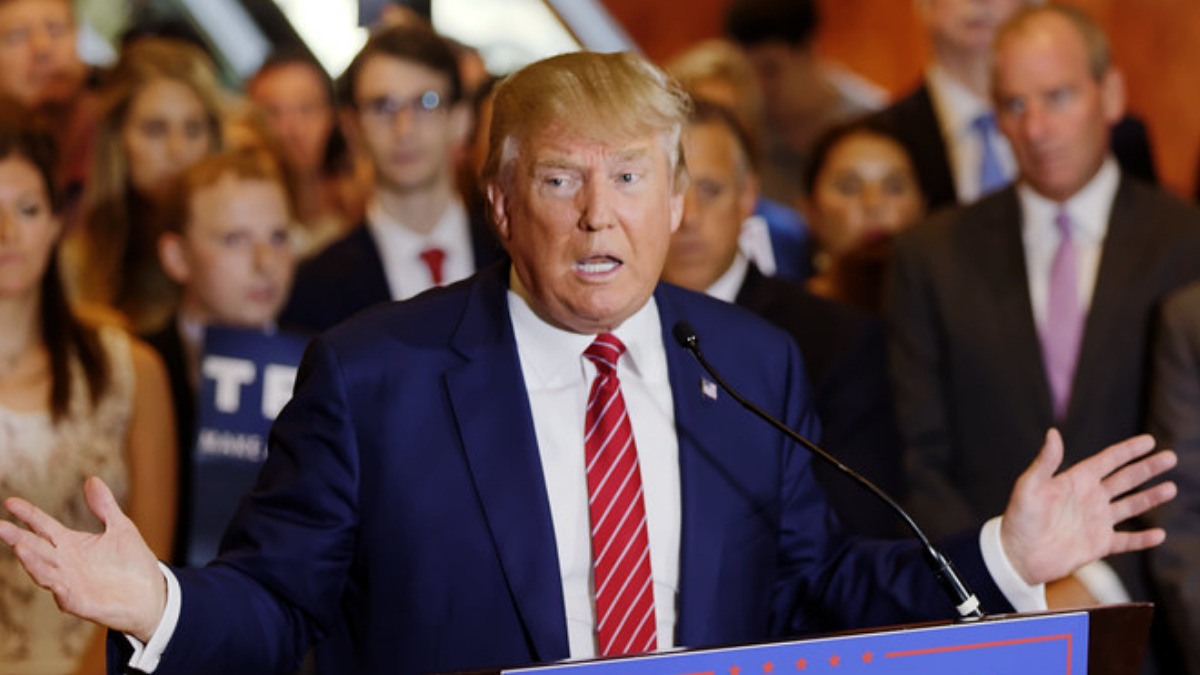
Woods has not played in a professional tournament since the 2024 Open Championship, having spent much of the intervening period recovering from Achilles and back surgeries. Just three days before the crash, he made a competitive return by participating in the TGL championship with the Jupiter Links team, which he captains. President Trump also commented on the arrest, telling reporters he felt “badly” for Woods and describing him as “a close friend of mine,” before declining to say anything further. Tank Davis, whose own legal situation involving a $20 million countersuit has drawn renewed attention this week, is among other sports figures currently navigating high-profile legal proceedings.
In his statement released via social media on April 1, Woods wrote: “I know and understand the seriousness of the situation I find myself in today. I am stepping away for a period of time to seek treatment and focus on my health. This is necessary in order for me to prioritize my well-being and work toward lasting recovery.” He requested privacy for himself, his family, and his loved ones during this period.

Published: Apr 2, 2026 05:30 am