



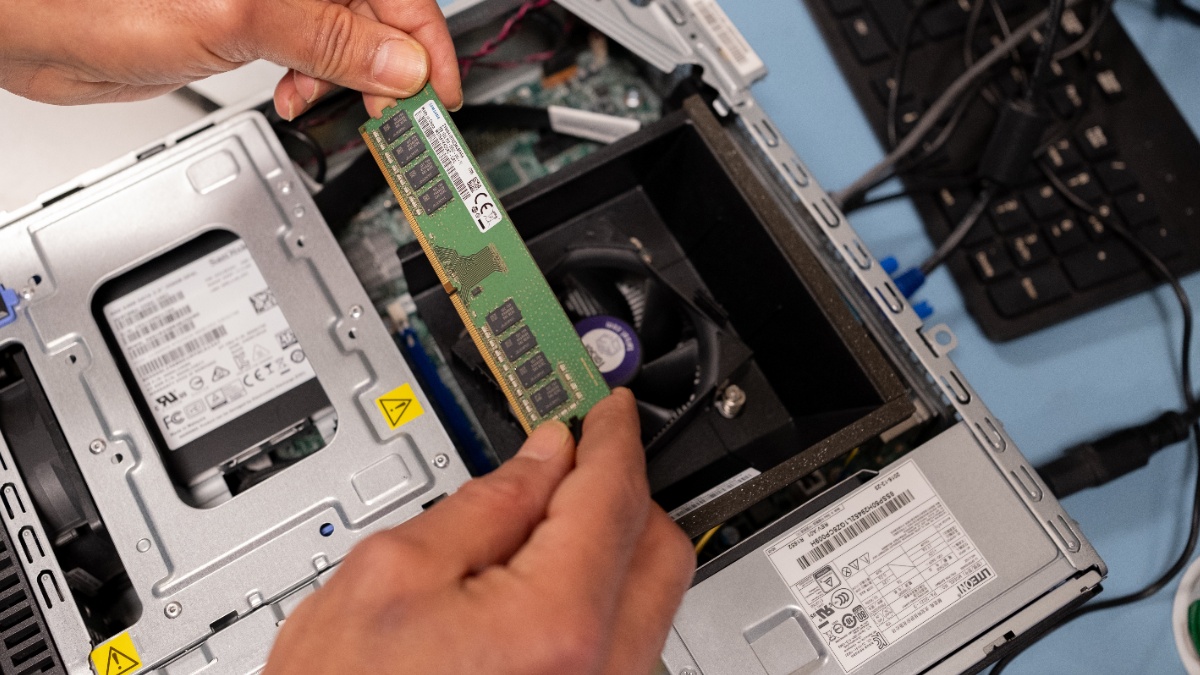

A massive win for consumers just went into effect in Colorado, and it’s projected to save the average household about $382 every single year, as per Denver7. The state’s latest right-to-repair law officially kicked off on January 1, forcing major device manufacturers to finally share the essential ingredients needed to fix broken gear.
This is a huge deal because it means you’re no longer stuck relying on an authorized repair shop whenever your phone screen cracks or your dishwasher decides to quit. Now, consumers have the ability to either fix their products themselves or take them to any local business they choose. This shift is expected to drastically reduce electronic waste as well.
This new legislation covers a wide array of everyday electronics and appliances. We’re talking about things like phones, laptops, vacuum cleaners, dishwashers, and even sewing machines. If you use it regularly in your house, chances are this law applies to it.
Of course, the law isn’t a blanket rule for everything, but it goes a long way to set a standard for other states to follow
The passed law does include some important exemptions, which you should be aware of. You won’t be able to easily fix medical devices, motor vehicles, marine vessels, or aviation equipment under this new act. Also, if you’re hoping to tear into your high-end gaming console, you’re out of luck, as video game consoles are exempt, as is certain safety and security equipment. Also, cars are not included in the law, so fixing them might take a heavy toll on your pocket.
As CoPIRG Executive Director Danny Katz explained, the rise of smart technology made things complicated. “It seems kind of shocking that we had to pass a law to do that,” Katz said. He noted that over the last decade or so, as more of our stuff became “smart” and had embedded software, companies gained the ability to restrict access to the very items needed for repairs. This is exactly why the law specifically mandates that manufacturers share the necessary parts, tools, software, and manuals.
It turns out that getting this bill passed wasn’t easy. Democratic state Representative Brianna Titone, who sponsored all three of Colorado’s laws expanding repair rights, faced significant corporate pushback. “They don’t want to comply, or they want to comply to a certain degree,” Titone stated. She confirmed that the bill was actually delayed because of one major tech player: Apple. Apparently, they needed time to change their phone design to actually be able to comply with the new requirements.
Colorado is definitely leading the country on this issue. Katz pointed out that this isn’t the state’s first foray into repair rights; they’ve already passed laws making fixes more accessible for powered wheelchairs and farm equipment.
We can already see the positive impact of this movement on the ground. The Boulder Public Library recently held its recurring U-Fix-It Clinic, where volunteers help people repair everything from broken appliances and toys to clothing and jewelry. Wayne Seltzer, who runs the clinic, said the new law will be fantastic because it removes some of the roadblocks they commonly face when trying to get devices back up and running.








Published: Jan 13, 2026 03:00 pm