



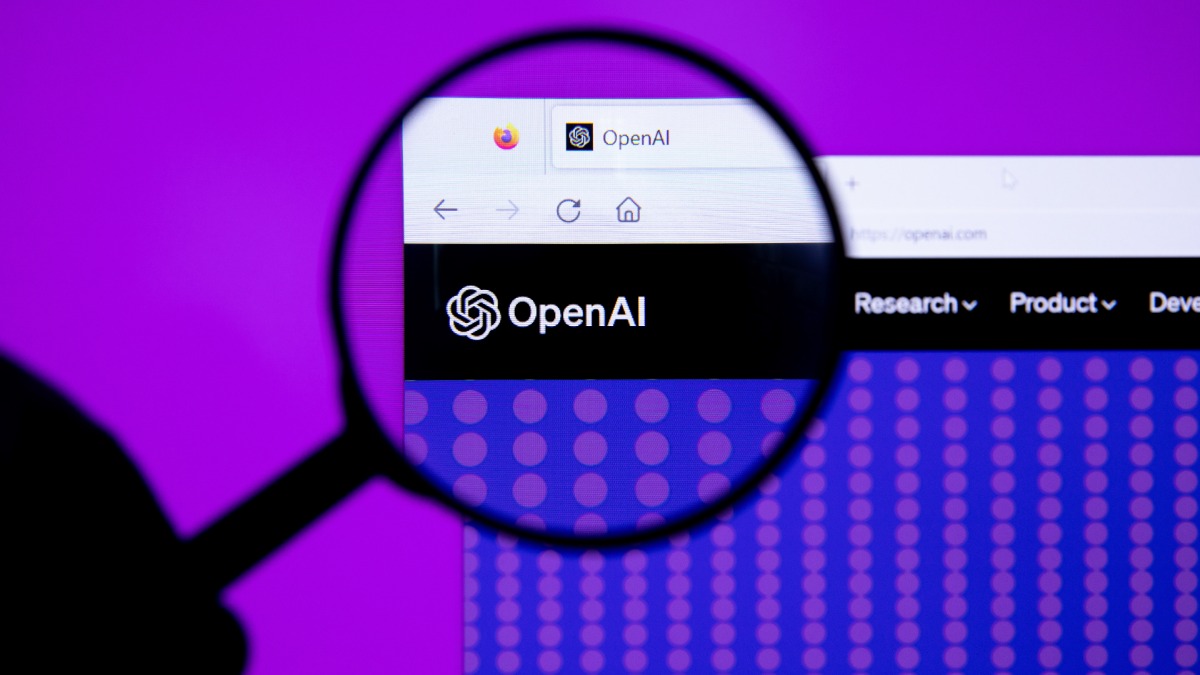

OpenAI just dropped a bombshell, announcing that its much-hyped Sora AI video-generation app is getting the axe, as reported by NBC News. The company shared this in a post on X, stating, “We’re saying goodbye to Sora.” They promised to share more details soon, including timelines for the app and API, along with instructions on how users can preserve their work.
This move is a pretty big deal, especially considering Sora’s quick rise to fame. When OpenAI first unveiled Sora in 2024, it sent shockwaves through the entertainment industry. Creators were understandably concerned that the model’s ability to quickly generate high-quality video from text would start to displace human talent. Then, in September, OpenAI debuted a second-generation Sora model that was even more impressive, creating videos with better audio and more accurate physics.
The standalone Sora app, which launched with the new model, quickly became the most-downloaded app in the iOS App Store’s Photo and Video category. Users were having a blast creating lifelike videos of popular characters like Lara Croft, Mario, and Pikachu. However, these videos also raised significant alarm bells among copyright and deepfake experts, who worried about the implications.
It seems like the reason for OpenAI’s sudden pivot boils down to a strategic refocus and resource allocation
Perhaps the biggest casualty of this shutdown is the massive three-year deal The Walt Disney Co. had announced in December. Disney planned to bring many of its popular characters to Sora’s AI video generator and even pledged a $1 billion investment in OpenAI as part of the agreement. They were set to become a “major customer,” using OpenAI’s services for new products and experiences, including for their Disney+ streaming service.
Now, with Sora off the table, that deal isn’t moving forward, according to sources familiar with the matter. A spokesperson for Disney respected OpenAI’s decision, saying, “We appreciate the constructive collaboration between our teams and what we learned from it, and we will continue to engage with AI platforms to find new ways to meet fans where they are while responsibly embracing new technologies that respect IP and the rights of creators.”
Sora is an incredibly resource-intensive application, demanding a lot of computational power. OpenAI is reportedly under intense pressure from rival AI company Anthropic, whose Claude family of AI models has really soared in popularity among businesses and software engineers. Anthropic has largely eschewed things like image and video generation, instead focusing its scarce computational resources on text and code generation.
OpenAI executives have recently indicated that they are sharpening the company’s focus, recognizing that they simply cannot do “everything at once,” as reports suggest. Late last year, Bill Peebles, OpenAI’s head of Sora, had already announced limits on the number of videos users could generate. This was due to the limited supply of computer chips needed to power the video-generation model.
By shifting computing resources away from Sora, OpenAI can reallocate those valuable computing chips to more lucrative tasks like coding, reasoning, or text generation. This move comes ahead of an expected initial public stock offering from OpenAI in the coming months. Just weeks ago, the company announced it had raised a staggering $110 billion in fresh funding, boosting its total valuation to an impressive $730 billion.





Published: Mar 25, 2026 05:00 pm