




If you received a bunch of gift cards over the holidays, you might be tempted to sell the ones you won’t use for cash. That sounds like a great deal, but this specific scheme is actually a terrifying plot known as gift card draining, designed to steal every dollar on the card. This type of fraud is far less obvious than the traditional scams where thieves demand you pay fines or utility bills using prepaid cards, but it’s much more insidious because it targets people actively trying to be responsible with their finances.
Fraudsters are getting incredibly sneaky online, and they know you’re looking for ways to maximize value. They set up these slick-looking websites claiming they will buy your unwanted $100 card for $90. You think, “Hey, 90% back is way better than zero,” but you never see that promised cash. Instead, the scammers steal the card number and security code, drain the funds themselves, and leave you with an empty piece of plastic. Suffice to say, sites promoting those sorts of deals are typically not legitimate.
The draining scheme doesn’t stop with selling sites; it also targets people who just need to check their balance. If you forget exactly how much money is left on a gift card you received a while ago, you’re likely to try checking the balance online. You’ll typically need to enter your card number and PIN or security code to get that information.
Some of these gift card scams even begin in the store
Unfortunately, many websites claiming to provide gift card balances are actually built to collect that sensitive data for later use. If you need to know how much money is left, you absolutely must use the official site listed on the back of your card. Even better, just call or visit the retailer directly to confirm the balance. But beware of calls that might drain your bank accounts.
If you already have cards in your wallet, you can take immediate steps to protect them from being drained. If the option is available, you should absolutely register the card with the retailer or transfer the funds from the gift card to your existing account. Always keep the original purchase receipt and make a note of the starting balance. If you can change the card’s PIN, do it immediately. Honestly, the best protection is simply spending those funds sooner rather than later.
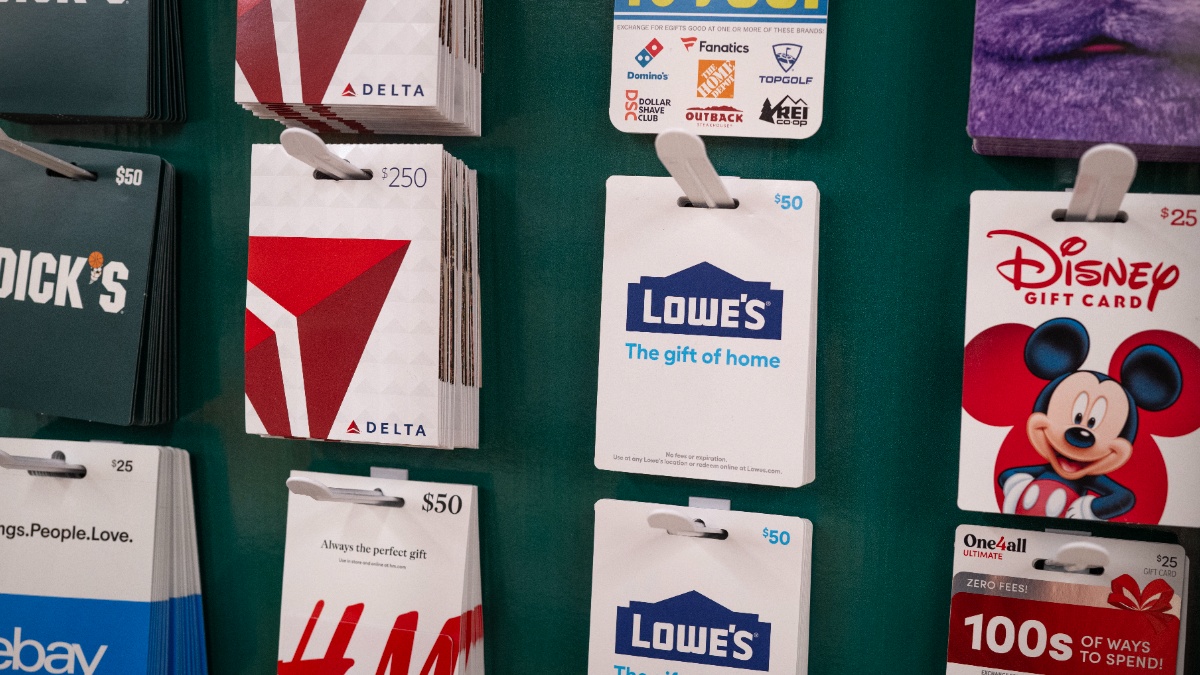
It’s important to understand that many of these gift card scams actually begin in the store, long before you even purchase the item. If you’re considering buying physical gift cards in the future, you’ve really got to be careful and inspect the merchandise. Fraudsters will tamper with cards right on the rack. Sometimes they put stickers over the barcode, so when you check out, the funds you pay go straight into their account, not onto the card itself. When the recipient tries to use it, the balance is zero.
Scammers also record the card number and the activation PIN or security code, then carefully reseal the packaging and put it back. Once the card is purchased and activated at the register, they use the stolen information to spend the funds remotely.
If you do end up stuck with a compromised card, you still have options. You can file a report with the gift card issuer, although your mileage may vary in terms of actually recovering the funds. Thankfully, the Federal Trade Commission maintains a helpful list of fraud contacts for some of the most popular card retailers, including Visa, American Express, and Amazon. It’s a good resource to have if you ever find yourself fighting back against these sneaky draining schemes, or a Facebook Marketplace scam.









Published: Dec 30, 2025 02:30 pm