



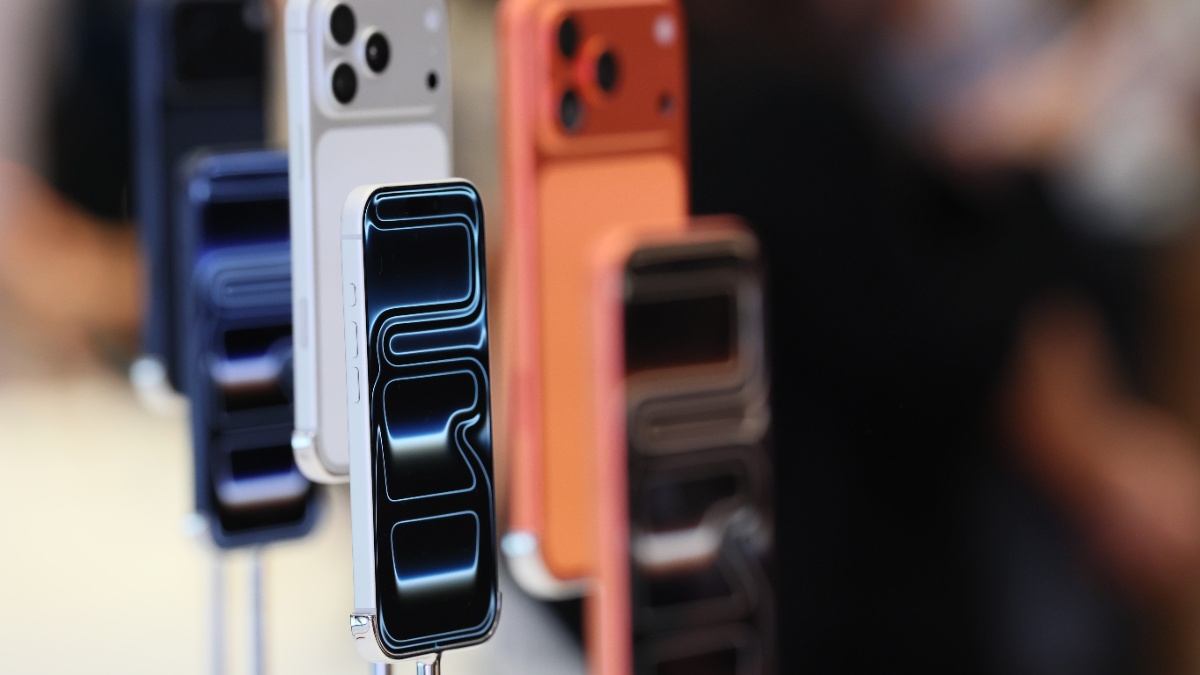

If you were planning on upgrading your standard iPhone in 2026, you might want to adjust your calendar, because the standard iPhone 18 model is reportedly not launching until the spring of 2027, as per MacRumors. This is a massive shake-up to Apple’s long-standing iPhone release cycle, and frankly, it’s going to frustrate fans who rely on the standard model for their annual upgrade.
For more than a decade, Apple has followed a tried-and-true schedule: introduce the entire mainline iPhone lineup in the fall, usually in September, and launch everything simultaneously. That historic pattern is now expected to be completely broken. Instead of dropping all the new phones at once, Apple is rumored to be splitting its releases across two distinct windows, prioritizing the high-end models while making everyone wait for the more affordable standard devices.
This means that after the iPhone 17 had a successful run in 2025, the standard iPhone 18, featuring a rumored facelift, won’t show up for over 18 months. That’s the first time Apple has ever skipped an entire calendar year without releasing a new generation of its non-Pro flagship.
It seems like the days of everyone getting a new iPhone at the same time every September might officially be over
Under this new rumored schedule, the fall launch window will become the exclusive territory of the premium devices. In the fall of 2026, you can expect to see the iPhone 18 Pro, the iPhone 18 Pro Max, and, excitingly, the debut of the company’s first foldable iPhone. But if you’re waiting for the vanilla model, you’ll have to hold tight until the spring of 2027. When it finally arrives, the standard iPhone 18 will launch alongside two other rumored devices: the iPhone 18e and the iPhone Air 2.
The main reason for this dramatic shift is simple: Apple’s lineup is getting way too big. By the end of 2026, the company could easily have eight distinct iPhone models on sale simultaneously. Think about it: you’ll have the standard models, the Pro models, the newer ‘e’ and ‘Air’ variants that debuted with the iPhone 16 generation, and the older iPhone 16 and iPhone 16 Plus still hanging around. That’s a huge catalog to manage, and it creates a lot of internal competition for buyers.
From a business perspective, delaying the standard model makes a lot of sense, even if it’s inconvenient for consumers. A staggered release schedule allows Apple to better differentiate all those various models. More importantly, it gives each phone a much longer sales window before the next device comes along to cannibalize its sales.
Supply chain experts are also pointing to manufacturing benefits as a major factor here. Launching five or six phones at once puts massive stress on the production pipeline. By spacing out the launches, Apple can reduce production bottlenecks and better manage the supply of complex components needed for advanced tech, like whatever new camera system the Pro models will be rocking.
Plus, you can’t forget the financial side of things. Concentrating all iPhone sales into the fall quarter makes Apple’s revenue recognition look incredibly top-heavy. Spreading the iPhone launches across the year helps smooth out that revenue across fiscal quarters, which is always something investors love to see, besides ads finally coming to Apple’s app store. While this strategy is a winner for Apple’s bottom line and logistics, it’s definitely a bummer for the average user.
If you’re not shelling out for the Pro features or the super-premium foldable model, you’re just going to have to wait a lot longer for that new standard design and processor bump.








Published: Jan 2, 2026 11:30 am