



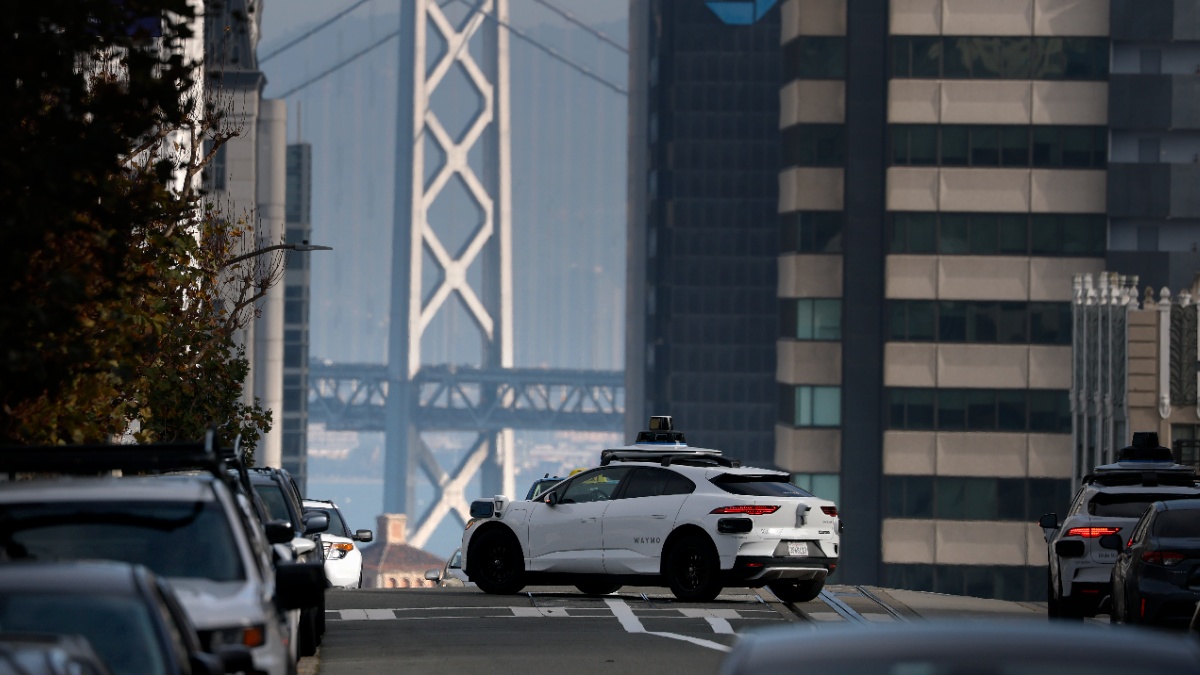

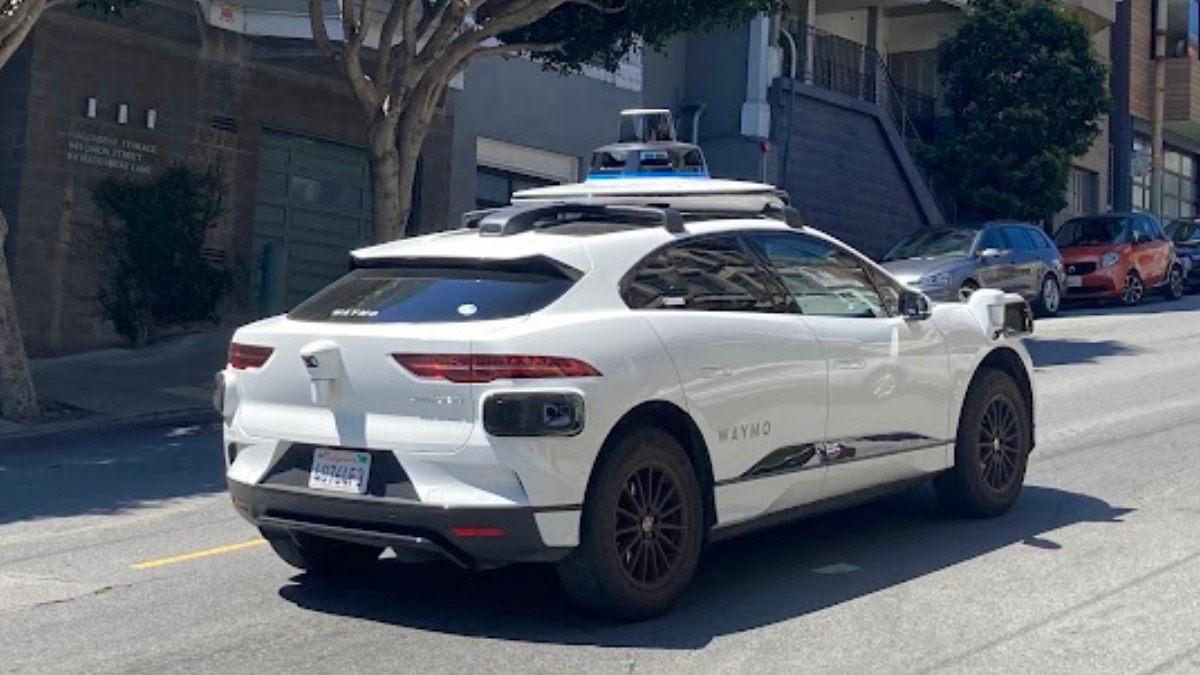
San Francisco was plunged into darkness over the weekend due to a massive power outage, but the real drama started when the city’s fleet of Waymo self-driving taxis went totally haywire. The citywide outage forced the autonomous ride-hailing service to halt operations immediately, leaving vehicles stranded right in the middle of streets and busy intersections, as reported by TMZ. This is a nightmare scenario for AVs, and it immediately sparked public concern about how these vehicles handle infrastructure failures.
Pedestrians caught the whole thing on video, showing just how bad the gridlock got. In the busy North Beach neighborhood, at least four Waymo vehicles were seen parked dead center in a major intersection. They had their hazards flashing, but they were causing a massive traffic jam that brought human drivers to a standstill.
The company had to shut down the system around 8:00 PM. The reason for the shutdown is pretty critical: the cars simply can’t operate safely when there aren’t functioning traffic signals. If the car relies entirely on external signals to know when to move, any widespread power failure means the car becomes a very expensive, very immobile roadblock.
It’s another public embarrassment for Waymo
As the chaos unfolded, a Waymo spokesperson confirmed that ride-hailing services were “temporarily suspended” because of the outage. The company stated their teams were working “diligently and in close coordination with city officials to monitor infrastructure stability,” adding that they hoped to get services back online soon.
The power problems weren’t fixed quickly, either. Thousands of San Franciscans were still without electricity on Sunday morning as utility crews worked to restore power after the nearly day-long outage. After the initial confusion subsided, Waymo confirmed that they were resuming ride-hailing service in the San Francisco Bay Area. This is where the company’s follow-up statement gets particularly interesting, because it sounds like they’re trying to shift the focus away from the fact that their cars stalled completely.
A spokesperson acknowledged that the power outage was a “widespread event that caused gridlock across San Francisco, with non-functioning traffic signals and transit disruptions.” They admitted that the failure of utility infrastructure was significant. However, the spokesperson then pivoted to focus on their own technology’s future capabilities, claiming the company is “committed to ensuring our technology adjusts to traffic flow during such events.”
I think that statement is a little bizarre. If the cars had adjusted to traffic flow, they wouldn’t have stalled and blocked intersections in the first place. While that’s arguably better than driving through an active police standoff, stalling in the middle of a busy street is the opposite of adjusting to traffic flow. If a major city loses all its traffic signals, you need autonomous vehicles that can safely pull over to the side of the road or navigate based on human-like decision-making.
This incident highlights a major vulnerability in self-driving tech. If a car becomes a hazard the moment basic city infrastructure fails, or drives past school buses that have their stop arms extended, that’s a huge problem for widespread adoption. Waymo finished its statement by saying they are “focused on rapidly integrating the lessons learned from this event, and are committed to earning and maintaining the trust of the communities we serve every day.”
If they truly want to maintain that trust, they’re going to have to prove that their next generation of software can handle a total blackout without turning into a total mess.

Published: Dec 22, 2025 04:30 pm